
TL;DR
- PEAK features four distinct revival methods: Scout Effigies for immediate rescue, healing for downed teammates, Altar revival at campsites, and Temple revival for end-game scenarios
- Understanding the difference between knocked-out and deceased states is crucial for selecting the appropriate revival strategy
- Scout Effigies are rare single-use items that provide instant revival but require strategic conservation and precise positioning
- Advanced techniques include environmental awareness, resource management, and coordinated team positioning to maximize revival success rates
- Each revival method has specific time requirements, resource costs, and situational advantages that impact overall expedition efficiency
Mastering PEAK’s revival mechanics begins with comprehending the critical distinction between temporary incapacitation and permanent death. When teammates suffer damage from treacherous falls or environmental hazards, they may enter a knocked-out state where they remain unconscious but technically alive. However, extreme impacts or cumulative trauma can result in complete death, requiring substantially different revival approaches.
The knocked-out state provides a brief window for intervention, typically lasting 60-90 seconds depending on the severity of injuries. During this period, teammates can be revived through basic medical attention without consuming rare resources. Complete death, however, eliminates this opportunity window and necessitates specialized revival items or locations.
Immediately assess teammate status indicators—knocked-out players display subtle breathing animations while deceased teammates remain completely motionless with distinct visual cues.
PEAK knocked-out teammate status identification
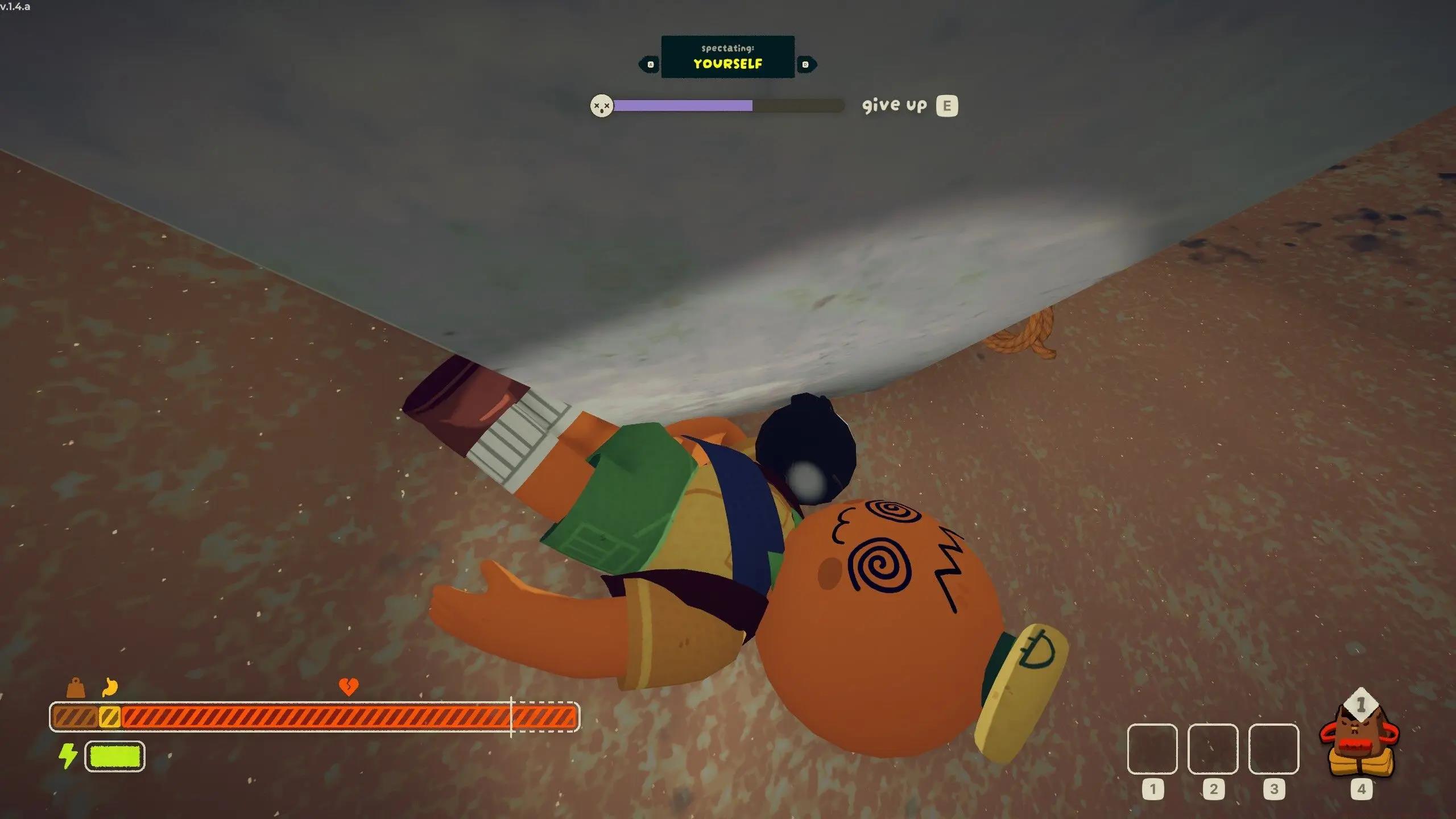
Scout Effigies represent your most powerful immediate revival tool for completely deceased teammates. These rare ceremonial items function as single-use resurrection devices but demand strategic deployment due to their scarcity and specific activation requirements.
When acquiring a Scout Effigy during your ascent, you possess a crucial lifeline for one fallen comrade. The activation protocol requires precise execution:
- Access the effigy through your inventory management system
- Navigate to the precise coordinates where the teammate expired
- Initiate the ceremonial activation sequence to restore them to life
Advanced players should note that Scout Effigies have a activation radius of approximately 15 meters from the death location. Positioning outside this range will prevent successful revival. Additionally, these items cannot be used during active environmental hazards like avalanches or severe storms.
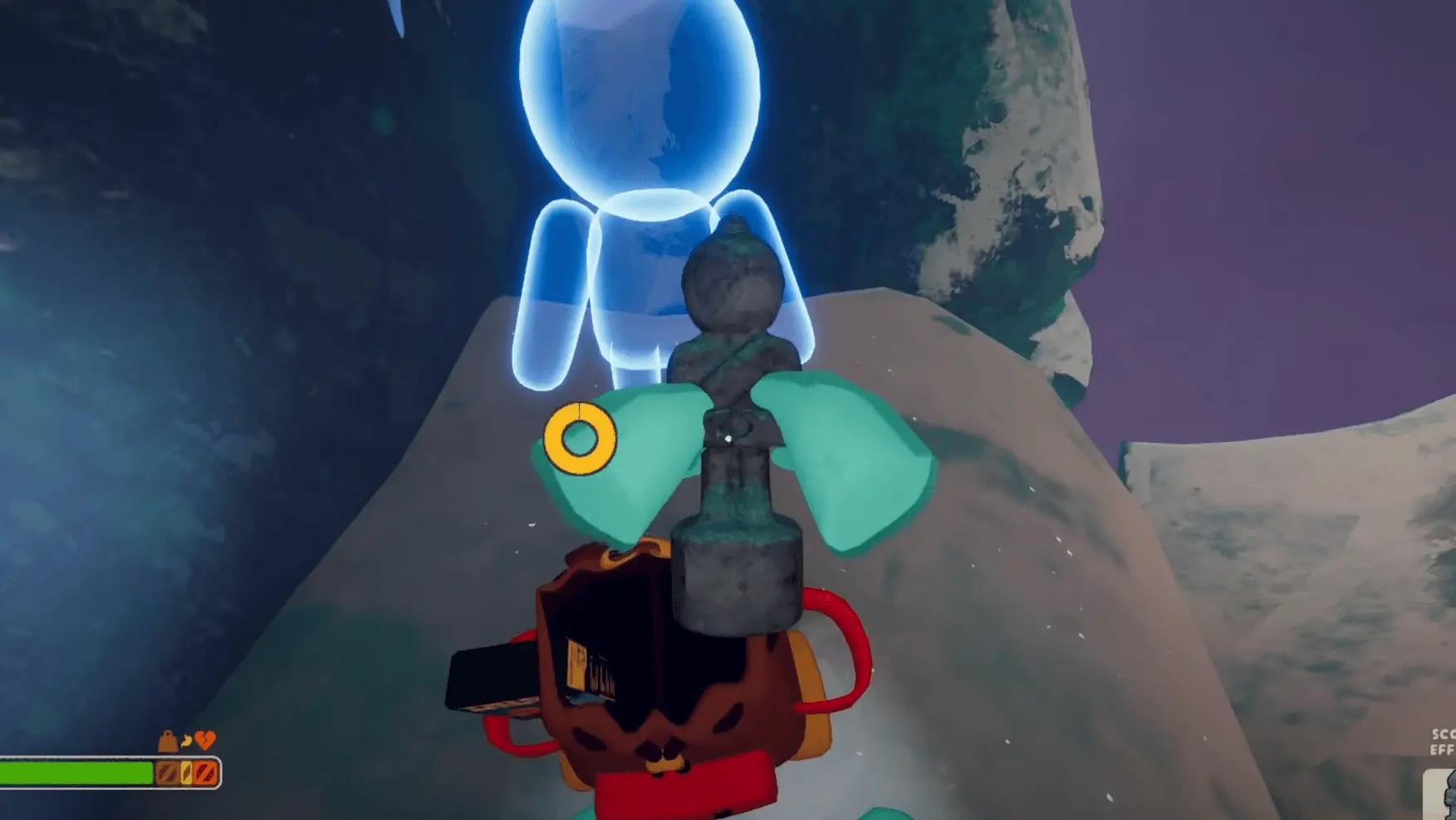
Strategic conservation of Scout Effigies becomes crucial during extended expeditions. Experienced teams typically reserve them for situations where Altar revival would require excessive backtracking or when team composition demands specific character abilities for upcoming challenges.
For teammates in the knocked-out state, standard medical intervention provides the most resource-efficient revival method. This approach requires basic medical supplies and coordinated team positioning but avoids consuming rare items like Scout Effigies.
The healing process demands approximately 15-20 seconds of uninterrupted medical attention, during which the reviving player remains vulnerable to environmental threats. Successful revival restores the teammate with partial health, requiring additional healing to return to full combat readiness.
Critical considerations for healing revivals include:
- Secure the area against environmental hazards before beginning treatment
- Ensure adequate medical supplies are available in your inventory
- Coordinate with other teammates to provide protective coverage during the revival process
- Monitor the knocked-out timer to prioritize revival order in multi-casualty situations
Advanced technique: Position the reviving player between the knocked-out teammate and potential danger sources to create a human shield during the medical procedure.
Campsite Altars provide reliable revival points strategically located throughout PEAK’s climbing routes. These permanent structures offer team-wide resurrection capabilities but require significant resource investment and careful route planning.
Altar revival consumes collective team resources rather than individual items, making them economically efficient for multiple casualties. The process typically requires 45-60 seconds of ritual completion time and functions regardless of how team members perished.
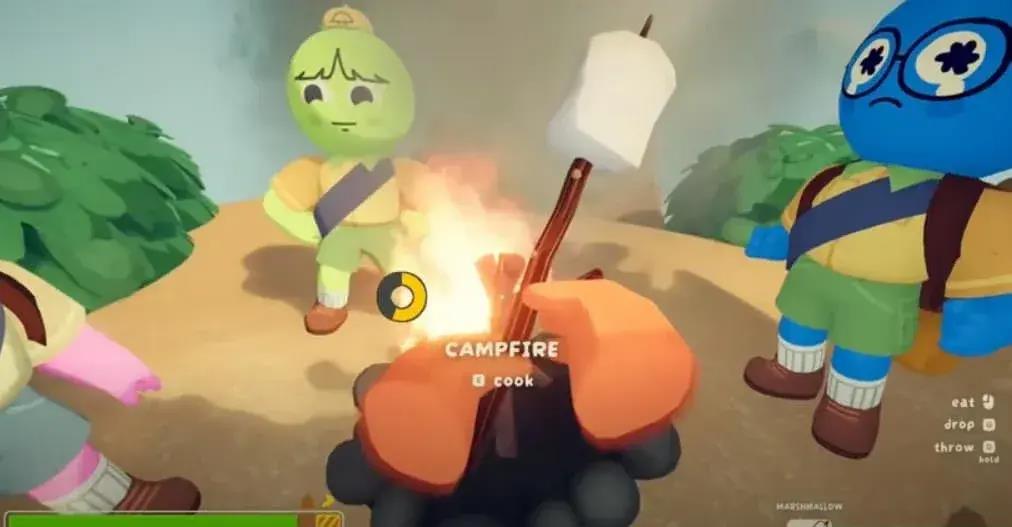
Strategic Altar usage involves:
- Mapping campsite locations during initial route planning phases
- Calculating resource costs against current team inventory
- Coordinating team positioning to minimize travel time to the nearest Altar
- Timing revivals to coincide with natural rest periods during the expedition
Pro tip: Establish temporary base camps within 2-3 minutes travel time from major Altars to create efficient revival networks throughout challenging mountain sections.
Temple revival represents PEAK’s ultimate resurrection system, available only during end-game mountain ascent phases. These ancient structures provide guaranteed revival regardless of death circumstances but demand substantial progression investment and strategic timing.
Accessing Temple revival requires completing specific mountain ascent milestones and accumulating sufficient team resources. The revival process itself is instantaneous but can only be activated after meeting rigorous prerequisites.
Key Temple revival considerations include:
- Progression requirements vary based on current expedition difficulty
- Resource costs scale with team size and death frequency
- Activation timing impacts overall expedition completion metrics
- Strategic death acceptance may become viable when Temple access is imminent
This end-game method fundamentally alters risk assessment calculations, as teams can pursue more aggressive strategies knowing Temple revival provides a safety net for critical sections.
Selecting the optimal revival method requires understanding the trade-offs between speed, resource cost, and situational applicability. Each approach offers distinct advantages for specific climbing scenarios and team compositions.
Healing knocked-out teammates provides the fastest recovery when medical supplies are abundant and the area is secure. Scout Effigies offer immediate resurrection for complete deaths but consume rare, limited resources. Altar revival delivers team-wide efficiency for multiple casualties at established campsites, while Temple revival guarantees success during end-game phases at substantial progression cost.
Advanced strategy: Maintain a balanced approach by reserving Scout Effigies for critical team composition needs, using healing for routine knocked-out situations, planning routes around Altar locations, and leveraging Temple access for high-risk end-game maneuvers.
For comprehensive team strategy development, consult our Complete Guide to coordinate revival approaches with overall expedition planning.
Mastering PEAK’s revival system requires moving beyond basic mechanics to incorporate advanced tactical considerations and team coordination protocols. Professional climbing teams develop sophisticated revival strategies that maximize success rates while minimizing resource expenditure.
Environmental awareness represents the foundation of advanced revival technique. Before attempting any revival, assess weather conditions, terrain stability, and potential predator activity. Severe weather not only increases revival difficulty but may prevent certain methods entirely.
Communication protocols ensure efficient revival execution:
- Establish clear revival priority systems based on character abilities and current objectives
- Implement standardized callouts for knocked-out and deceased status reports
- Coordinate inventory management to distribute revival resources effectively across the team
- Develop contingency plans for revival method failures or interrupted procedures
Common professional mistakes include:
- Attempting healing revivals in active hazard zones without proper protection
- Wasting Scout Effigies on non-critical revivals when Altar access is imminent
- Poor route planning that positions teams too far from revival points during dangerous sections
- Inadequate medical supply management leading to preventable full deaths
For specialized character optimization to enhance revival capabilities, explore our Class Guide for ability synergies and equipment recommendations.
Weapon selection also impacts revival effectiveness—discover optimal loadouts in our Weapons Unlock guide to balance combat capability with support functions.
Action Checklist
- Immediately assess teammate status using visual cues (breathing animations for knocked-out, complete stillness for deceased)
- Secure the area against environmental threats before attempting any revival method
- Apply appropriate revival method based on status: healing for knocked-out, Scout Effigies for deceased when necessary
- Coordinate with team to distribute revival resources and establish protection during procedures
- Plan expedition routes around Altar locations and conserve Scout Effigies for critical situations
No reproduction without permission:Tsp Game Club » PEAK Guide: How to Revive Teammates Master PEAK's revival mechanics with expert strategies to rescue fallen teammates and conquer the mountain together