
TL;DR
- PEAK combines physics-driven platforming with daily procedural layouts across four distinct biomes for unique co-op challenges
- Stamina management is critical – cooked food provides major boosts while weight distribution affects energy consumption
- Team coordination prevents Scoutmaster activation; establish clear roles and use statue revivals strategically
- Each biome requires specific survival approaches from Shore practice to Caldera’s extreme conditions
- Advanced techniques include momentum management and Tenderfoot mode practice for skill development
Conquering PEAK’s vertical challenges demands more than individual skill – it requires coordinated teamwork and strategic planning across dynamically generated landscapes. This physics-based climbing adventure transforms cooperative gaming through its innovative approach to shared survival.
PEAK stands apart from traditional climbing games by merging realistic physics simulation with procedurally generated daily layouts across four environmentally distinct biomes. Available on Steam, the base experience supports four-player cooperation, while community modifications can expand sessions to accommodate 20+ participants for exceptionally chaotic adventures.

How many players can join Peak?
The foundational gameplay loop centers on three interconnected systems: stamina conservation, resource distribution, and environmental adaptation. Each gaming session presents completely redesigned island configurations featuring:
tip
Dedicate your initial minutes to thoroughly studying the in-game guidebook. This brief investment prevents hours of frustrating trial-and-error learning cycles.
Energy conservation proves more decisive than any other factor in determining PEAK success. You’ll rapidly deplete stamina reserves without mastering these essential mechanics:
Primary Stamina Conservation Techniques
- Prioritize cooking at every campfire opportunity – While raw coconuts offer basic sustenance, properly cooked versions deliver dramatically enhanced stamina restoration
- Reserve secondary stamina for critical situations only – This emergency reserve slows energy depletion but significantly reduces climbing velocity
- Strategic movement timing optimization – Standard climbing preserves substantially more stamina than repeated jumping or continuous chain swinging
- Implement efficient load distribution – Appoint a dedicated carrier teammate to manage heavy items and prevent collective stamina penalties

PEAK’s Stamina System
Advanced Energy Management
Backpack weight directly impacts stamina efficiency. Overburdened inventory rapidly drains energy reserves, forcing strategic decisions about equipment prioritization. Successful teams establish clear item hierarchies: essential survival tools receive top priority, while luxury items assume secondary importance.
warning
Avoid attempting hazardous ascents with diminished stamina. The emergency lunge and rapid jumping technique can prevent falls but consumes excessive energy and offers unreliable results.
Cooperation transitions from optional to essential for survival in PEAK. The game mechanically penalizes separated teams by activating the relentless Scoutmaster hunter, making individual survival virtually impossible.
Team Coordination Fundamentals
Maintain close proximity as a fundamental rule. When teammates exceed separation thresholds, the Scoutmaster emerges, radically increasing difficulty. This design forces authentic collaboration rather than permitting independent section completion.
Establish specialized roles within your climbing group:
- Route Analyst: Examines paths and identifies optimal ascent routes
- Equipment Manager: Handles heavy item transportation and resource allocation
- Hazard Scout: Detects environmental dangers and locates secure resting locations
- Medical Specialist: Focuses on healing item management and revival coordination

PEAK teammate revival
Communication and Revival Tactics
Utilize in-game ping systems extensively to mark resources, hazards, and recommended paths. When teammates fall, resist impulsive rescue attempts. Ancient statues positioned at biome summits provide complete team revival with stamina debuffs—sometimes strategic patience outperforms immediate heroism.
important
Ancient statues offer the most secure revival method, but the associated stamina penalty affects your entire team. Coordinate your approach accordingly.
Each distinct biome demands specialized survival methodologies and equipment prioritization strategies.
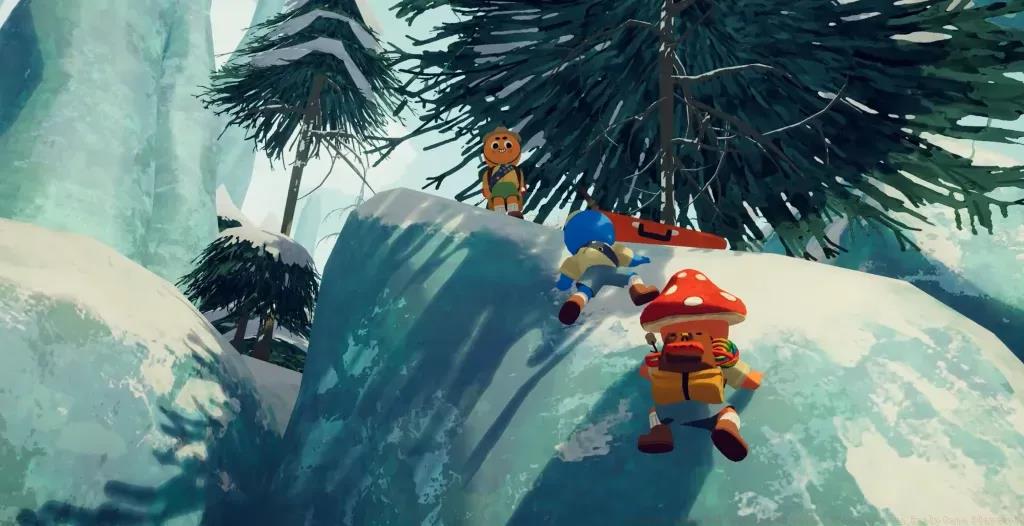
PEAK game image
Shore Biome Mastery
The Shore functions as your introductory training area, providing abundant coconut resources and fundamental climbing challenges. Utilize this biome to:
- Practice advanced stamina management methodologies
- Experiment with rope deployment and chain mechanics
- Establish team communication protocols and patterns
- Accumulate cooked food reserves before progression
Tropics Survival Strategies
Heavy precipitation creates slick surfaces that convert straightforward climbs into lethal hazards. Toxic vegetation inflicts damage upon contact, while thick plant growth conceals dangers until immediate proximity.
Essential tactical approaches:
- Test surface traction meticulously on moist terrain
- Recognize poisonous plants through distinctive visual characteristics
- Seek sheltered zones during intense rainfall periods
- Prioritize medical supplies for venom recovery scenarios
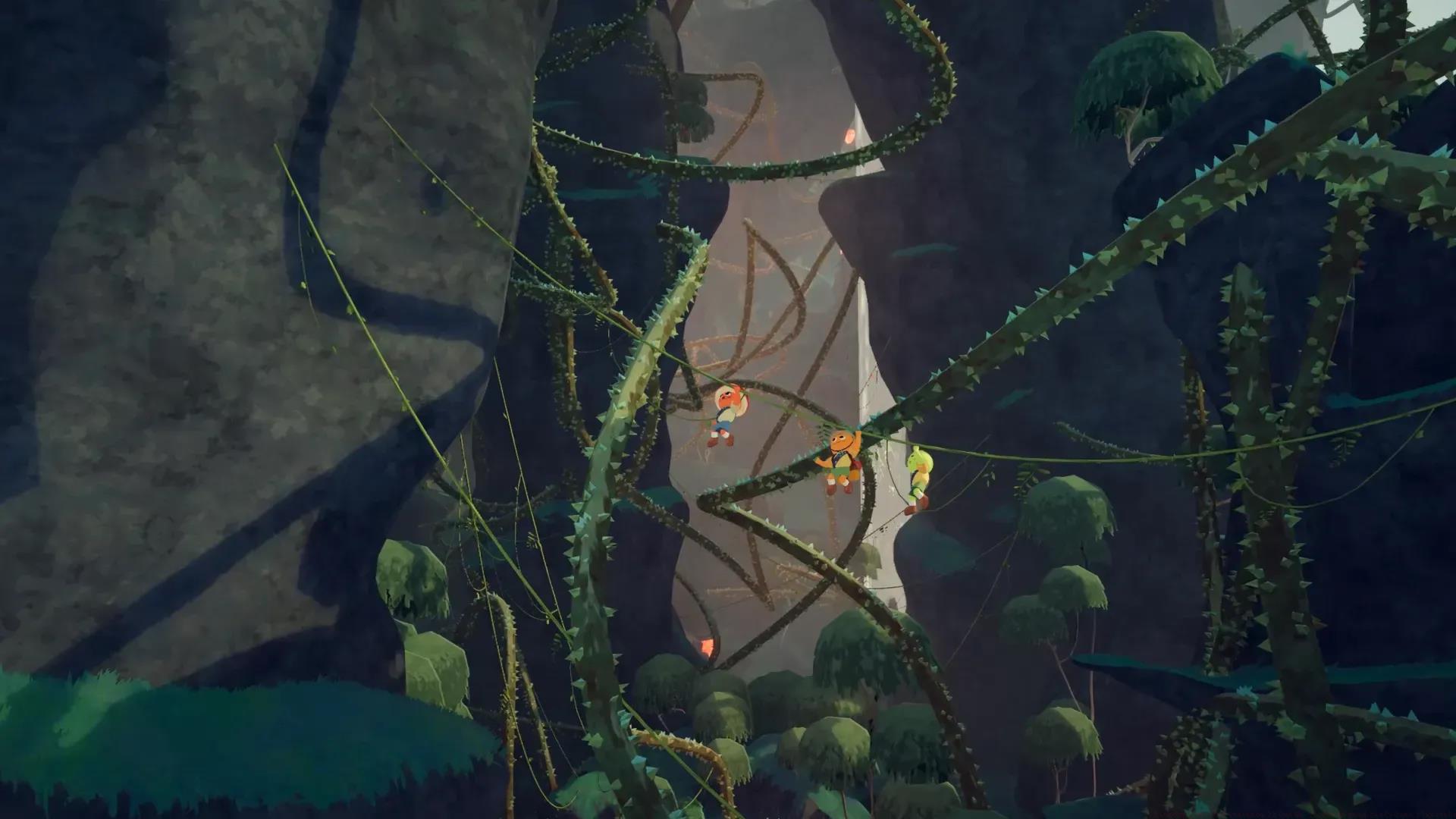
PEAK Biomes
Alpine Endurance Techniques
Extreme freezing conditions and sudden whiteout storms render the Alpine biome exceptionally punishing. Exposure proves rapidly fatal, making shelter identification critical for survival.
Fundamental survival strategies:
- Immediately locate heating stations and protected areas
- Frequently prepare food to sustain core body temperature
- Navigate efficiently between shelter locations
- Carry supplemental heating equipment for emergency situations
Caldera Conquest Methods
The ultimate Caldera biome offers zero concessions. Molten rock flows, combustion hazards, and extreme thermal conditions push acquired skills to their absolute limits.
Advanced technical approaches:
- Preserve premium equipment specifically for this biome
- Chart courses accounting for lava flow patterns
- Deploy rare cooling implements strategically
- Coordinate team movements with precision timing

Pro Tip: The Caldera rewards preparation over improvisation. Enter with full stamina, optimal gear, and clear communication protocols.
PEAK’s equipment ecosystem rewards inventive thinking and tactical planning. Mastering each implement’s capabilities unlocks sophisticated movement options and survival methodologies.

Peak Items and Equipment
Essential Equipment Categories
Movement Enhancement Tools:
- Rope Cannon – Creates vertical climbing aids and gap crossings
- Chain Launcher – Establishes horizontal bridges and swing points
- Standard ropes and chains for basic navigation
Survival Equipment Hierarchy:
- Medical supplies for venom and injury treatment
- Thermal protection gear for Alpine survival scenarios
- Cooling apparatus for Caldera environmental protection
- Portable cooking equipment for energy system management
Environmental awareness distinguishes successful climbers from frequent casualties. PEAK communicates dangers through consistent visual and auditory signals—learning these indicators prevents expensive errors.
Universal Danger Indicators
Visual alerts maintain consistency across all biomes:
- Audible wooden structure creaking signals imminent structural failure
- Discolored plant life suggests toxicity or ground instability
- Steam or smoke emissions indicate extreme temperature dangers
- Loose geological formations and debris indicate unstable footing
Trust your intuitive assessments—if environmental elements appear hazardous, they typically are. The game seldom employs deceptive warnings, making cautious suspicion a survival advantage rather than liability.

PEAK campfire
Biome-Specific Threats
Each environment presents unique hazards demanding specialized identification skills:
Shore: Marine urchins, unstable sedimentary formations, and tidal pattern changes Tropics: Toxic flora, slippery botanical growth, and concealed terrain pitfalls Alpine: Frozen structures, avalanche risk zones, and hypothermia dangers Caldera: Magma flows, poisonous atmospheric conditions, and extreme thermal zones
Critical: Never test suspicious food near cliff edges. Unexpected effects can cause fatal falls.
Mastering PEAK demands comprehension of nuanced mechanics that elevate competent players to exceptional climbers.
Expert-Level Strategies
Momentum control becomes critical at elevated skill tiers. Understanding efficient movement chaining, appropriate momentum-building technique application, and error recovery separates veteran players from novices.
Team synchronization achieves sophisticated levels among expert groups:
- Coordinated equipment transfer during ascents
- Simultaneous environmental hazard navigation
- Advanced revival timing methodologies
- Complex route planning and execution protocols
Continuous Improvement Methods
- Analyze unsuccessful attempts for educational opportunities
- Experiment with varied team composition configurations
- Study accomplished community strategic approaches
- Practice individual techniques in Tenderfoot difficulty mode
Expert Tip: Use Tenderfoot difficulty to learn new routes and practice advanced techniques without the full challenge pressure.
Action Checklist
- Study in-game guidebook thoroughly before each session
- Establish clear team roles (Navigator, Carrier, Scout, Medic)
- Practice stamina conservation in Shore biome with cooked food optimization
- Master biome-specific hazard recognition through repeated exposure
- Implement advanced movement techniques in Tenderfoot mode before attempting serious climbs
No reproduction without permission:Tsp Game Club » PEAK Guide: Best Climbing Strategies and Team Survival Tips Master PEAK's cooperative climbing with expert stamina management, team strategies, and biome survival techniques