
TL;DR
- Pistols dictate economy flow through pistol, eco, and force buy rounds
- CS2’s sub-tick system makes precision pistols more reliable than ever
- Master movement, recoil patterns, and situational weapon selection
- Economy management separates average from elite pistol players
- Pro techniques focus on positioning, timing, and coordinated team plays
In the high-stakes environment of Counter-Strike 2, where split-second decisions determine victory, sidearms frequently become the most undervalued tools in your arsenal. While compact and less visually impressive than rifles or AWP kills, these secondary firearms play pivotal roles throughout every match. Whether initiating rounds with only your pistol or grabbing one during critical moments, proficiency with sidearms can elevate or undermine your entire performance.
CS2’s pistols transcend mere backup status—they become your economic lifeline during critical pistol rounds, budget-conscious eco phases, and calculated force purchases. With CS2’s overhauled physics engine and refined gunplay systems, sidearms now exhibit unprecedented realism in behavior. The interplay between accuracy, recoil recovery, firing rhythm, and animation synchronization significantly impacts your tactical approach. This creates expanded opportunities for skilled execution while penalizing reckless engagement styles.
This comprehensive guide delivers everything required to master CS2’s pistol gameplay: from fundamental mechanics to advanced situational selection strategies. Whether you’re new to the game or an experienced competitor refining your skills, this detailed examination provides actionable insights.
The Strategic Power of Sidearms
Let’s clarify a crucial misconception—pistols aren’t temporary placeholders until you acquire rifles. In reality, they’re frequently the instruments that reverse match momentum. Consider opening rounds: these initial engagements of each half establish economic foundations for subsequent 2-3 rounds. Securing a pistol round victory provides your squad with momentum, financial advantage, and psychological confidence. Losing places your team at an immediate disadvantage.
However, their influence extends further. Sidearms excel during economic rounds—those financially constrained situations where rifles or SMGs remain unaffordable. With precisely placed Desert Eagle shots or aggressive Tec-9 assaults, you can eliminate rifle-equipped opponents while investing minimal resources. That represents genuine strategic leverage.
Additionally, strategic force purchases, where your team pools limited resources attempting game-changing plays. During these calculated risks, weapons like the CZ75-Auto or Five-SeveN can transform match outcomes through their exceptional close-range damage output and mobility advantages.
Never underestimate clutch scenarios. You’re the final surviving player. Your primary weapon empties. You transition to your sidearm—creating pure aim duels. Those 1v2 situations become achievable when you connect with crisp pistol headshots.
The fundamental insight: pistols aren’t contingency weapons. They’re integral components of your core loadout. When wielded correctly, they possess lethality comparable to any rifle. Perhaps even greater, since opponents typically underestimate both the weapons and your capabilities.
CS2 features ten distinct sidearms, each with unique handling characteristics, damage profiles, recoil behaviors, and optimal deployment scenarios. Some serve as default options, others require minimal investment, while certain specialized weapons excel in niche situations. Let’s examine each comprehensively.
Glock-18 – Terrorist Entry Tool
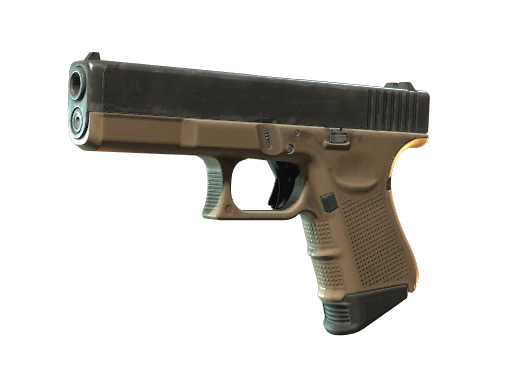
The Glock-18 serves as your T-side starting weapon. It features 20-round capacity, minimal recoil, and selective burst-fire capability. While not the most lethal option available, it performs adequately—particularly in close-quarters engagements.
- Strengths: Exceptional magazine capacity, solid movement velocity, impressive accuracy during burst fire engagements.
- Weaknesses: Poor armor penetration effectiveness, inadequate damage against helmets, significant performance degradation at distance.
- Optimal Deployment: Rush strategies during pistol rounds, confined space confrontations, rapid sequential headshot execution.
Many inexperienced players undervalue the Glock, but when operated by individuals with refined movement and crosshair positioning, it becomes deadly. Target cranial areas, strafe between engagements, and remember—rapid firing proves effective proximally, while controlled burst/tap firing excels at intermediate ranges.
USP-S – Precision Silenced Specialist
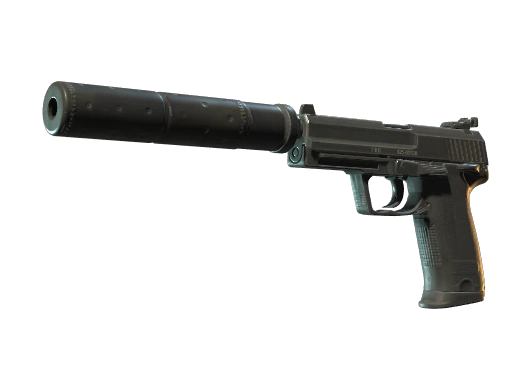
Counter-Terrorist operatives select between the USP-S or P2000 as default sidearms, with the silenced variant dominating popularity metrics. Why? The suppressor provides tangible benefits beyond aesthetics—enhanced accuracy, reduced recoil impulse, and diminished muzzle flash visibility.
- Advantages: Exceptional shot precision, minimal recoil deviation, near-silent operation, exceptional long-range performance.
- Limitations: Restricted magazine capacity (12 rounds), extended recovery intervals between discharges.
- Ideal Applications: Extended-range engagements, defensive angle maintenance, cranial targeting during initial rounds.
Professional insight: consistently prioritize headshots. The USP-S compensates precision more substantially than any alternative sidearm. The silencer? It maintains enemy positional uncertainty during chaotic exchanges.
P2000 – The Underappreciated CT Alternative
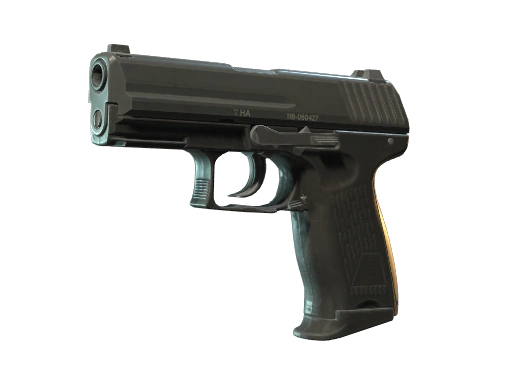
While less visually striking than its silenced counterpart, the P2000 maintains distinct advantages. It offers greater forgiveness through marginally increased magazine capacity and more consistent damage distribution across body regions.
- Benefits: Dependable body shot effectiveness, superior capacity compared to USP-S, slightly enhanced cyclic rate.
- Drawbacks: Lacking silencer attachment, moderately expanded bullet dispersion patterns.
- Recommended Usage: Intermediate-distance firefights, players favoring sustained firing over precision tapping.
If you experience difficulty landing cranial shots with the USP-S or exhaust ammunition prematurely, experiment with the P2000. It may better complement your individual playstyle.
Regardless of extensive weapon knowledge, victory in engagements demands sharpened aiming proficiency. CS2’s pistol mechanics necessitate distinctly different muscular memory development compared to rifle handling.
Recoil Control and Spray Pattern Management
Each sidearm exhibits unique recoil characteristics. Certain weapons like the Desert Eagle mandate recovery pauses between shots to preserve accuracy. Others such as the CZ75-Auto reward close-quarters automatic fire. Comprehend your crosshair behavior during sustained discharge—and train accordingly.
Precision Tapping vs. Controlled Spamming
Sustained firing proves effective with pistols like the Glock or Tec-9. However, with the Deagle, USP-S, or Five-SeveN, deliberate tapping reigns supreme. Target cranial regions, maintain composure, and deliver the single projectile that concludes encounters.
- Sustained Firing: Deploy during confined space engagements or intermediate-distance confrontations with high-capacity sidearms.
- Precision Discharges: Critical for weapons featuring high accuracy and significant recoil penalties during rapid engagement sequences.
Movement and Shooting Synchronization
Sidearms possess reduced weight, consequently enhancing movement velocity. This facilitates rapid lateral movement and quick peek engagements. However, avoid the common error of firing while sprinting. Accuracy deteriorates dramatically if not stationary or executing proper counter-strafing techniques.
- Master counter-strafe discharge sequences (tap directional input, release, then engage).
- Leverage mobility advantages to surprise opponents through unconventional peek positions or rapid position adjustments.
- Avoid prolonged static positioning—pistols emphasize swift engagements, not extended exchanges.
Among CS2’s most strategic dimensions involves economic resource management, with sidearms constituting substantial components of this equation. Understanding optimal purchase timing, conservation strategies, and upgrade decisions can fundamentally alter match trajectories.
Strategic Purchase Timing
Sidearm acquisitions typically occur during:
- Opening Rounds (1st and 16th rounds)
- Economic Conservation Phases (saving for future round investments)
- Calculated Force Purchases (when teams possess minimal resources for pistol and armor acquisitions)
- Clutch or Final-player Scenarios (acquiring sidearms as secondary options)
During these contexts, selecting appropriate sidearms determines the distinction between successful rounds and wasted opportunities.
Illustrative examples:
- P250 represents excellent $300 selection during economic rounds.
- Desert Eagle can completely reverse round outcomes when confidence in aiming proficiency exists.
- Five-SeveN and Tec-9 excel during anticipated close-quarters combat situations.
- CZ75 should only be acquired when comfortable with its high-risk operational nature.
Cost-Efficiency Analysis
| Weapon | Price | Armor Penetration | Tactical Application |
|---|---|---|---|
| Glock-18 | Free | Low | Standard T-side sidearm |
| USP-S | Free | High | Default CT pistol selection |
| P2000 | Free | High | USP-S alternative option |
| Dual Berettas | $300 | Medium | Close-range sustained fire |
| P250 | $300 | Good | Economic/force round deployment |
| CZ75-Auto | $500 | High | Aggressive short-range tactics |
| Five-SeveN | $500 | High | CT-side force purchase strategies |
| Tec-9 | $500 | High | Terrorist assault methodologies |
| Desert Eagle | $700 | Very High | Single-shot elimination, extended-range engagements |
| R8 Revolver | $600 | Very High | Specialized clutch engagement tool |
Intelligent pistol economy management transcends mere elimination statistics—it concerns providing your team optimal victory probabilities across both immediate and long-term horizons.
Elite competitors recognize that pistol rounds establish match tempo. Throughout competitive history, they’ve cultivated specific methodologies and strategic approaches providing competitive advantages during sidearm deployment.
Professional Configuration and Loadout Optimization
Most professionals standardize with:
- USP-S on CT-side (enhancing silenced precision tapping capabilities).
- P250 or Tec-9/Five-SeveN during economic purchase phases.
- Desert Eagle on maps featuring extended engagement distances (Dust2, Mirage).
They additionally optimize configuration settings for enhanced pistol performance:
- Reduced sensitivity: facilitating precise crosshair positioning.
- Minimalistic crosshair configurations: enabling clear cranial alignment.
- High FPS configuration parameters: minimizing input latency while maximizing consistency.
Certain competitors even assign specific keybindings for rapid weapon switching between pistol and knife to conserve milliseconds during fast-paced encounters.
Game Intelligence and Positional Strategy
With sidearms, position selection proves paramount. You typically operate at disadvantage relative to rifle-equipped opponents—making intelligent plays and unexpected angles your most valuable allies.
Professional methodologies for improved pistol gameplay:
- Unconventional Angle Selection: Avoid standardized pre-aim locations to surprise adversaries.
- Site Concentration Strategies: During economic rounds, position multiple teammates on single bombsite with sidearms for unexpected ambush tactics.
- Proximity Engagement Preference: Sidearms dominate short-range confrontations—compel opponents to approach your position.
- Efficient Trade Execution: Avoid isolated peeking. Even with pistols, 2v1 engagements consistently favor numerically superior teams.
Professionals frequently secure pistol round victories not through raw aiming proficiency (though they possess that capability), but through intelligent positioning, timing precision, and coordinated team execution.
In Counter-Strike 2, pistols represent far more than secondary weapons—they’re strategic tools that can dictate match outcomes. Unlike rifles that dominate mid to late rounds, sidearms shine during critical economic phases where smart decisions yield massive returns.
Pistol rounds establish the foundation for both teams’ economic strategies. Winning the initial engagement provides not only round victory but crucial financial momentum that cascades through subsequent rounds.
Economic Domination Through Sidearms
Every pistol round victory translates directly into economic advantage. Teams securing these wins can afford full rifle buys in rounds 2-3, while losing sides face multiple eco or force-buy scenarios. This economic ripple effect makes pistol proficiency one of the highest-value skills in competitive play.
Key economic impacts:
- Momentum Building: Early round wins create psychological pressure and force opponents into predictable economic patterns.
- Force Buy Opportunities: When budget constraints prevent rifle purchases, strategic pistol selections can still secure round wins against fully equipped opponents.
- Clutch Potential: When primary weapons run dry or situations become desperate, well-mastered pistols become equalizers that can overcome significant equipment disadvantages.
- Surprise Factor: Opponents frequently underestimate pistol-wielding players, creating opportunities for unexpected round flips.
Understanding these dynamics separates casual players from strategic competitors who recognize pistols as core components of their arsenal rather than temporary placeholders.
CS2 features ten distinct pistols, each with specialized characteristics that excel in specific combat scenarios. Mastering their unique behaviors transforms your early-round effectiveness.
Default Pistols: Foundation of Your Arsenal
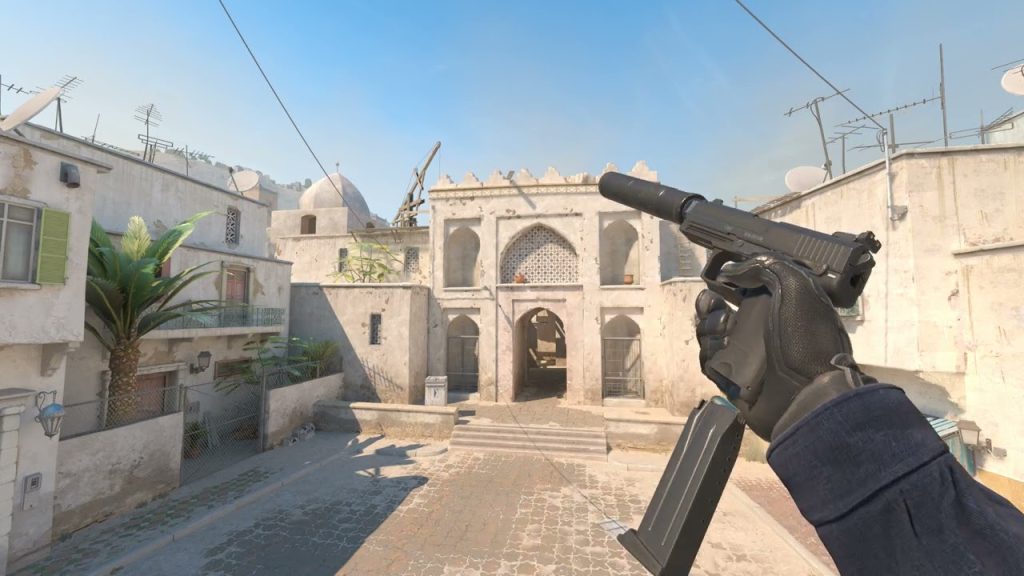
Glock-18 – Terrorist Standard Issue
The Glock-18 serves as your T-side starting weapon, featuring a 20-round capacity and selectable burst-fire capability.
- Primary Advantages: Excellent mobility while equipped, minimal recoil in burst mode, rapid successive headshot potential in close quarters.
- Strategic Limitations: Poor armor penetration effectiveness, inconsistent performance against helmet-protected opponents, range-dependent damage falloff.
- Optimal Deployment: Rush strategies during pistol phases, close-quarters engagements, rapid sequential head targeting.
Many inexperienced operators underestimate the Glock’s combat effectiveness, but skilled players leverage its movement advantages and burst-fire precision to secure critical frags.
Premium Pistols: When Budget Allows
USP-S – CT-Side Precision Instrument
Counter-Terrorist operators receive either the USP-S or P2000 as standard equipment, with the silenced variant dominating competitive preferences.
- Distinguishing Strengths: Exceptional first-shot accuracy, minimal visual and auditory signature, superior long-range engagement capabilities.
- Notable Weaknesses: Limited magazine capacity (12 rounds), extended recovery intervals between precision shots.
- Strategic Applications: Extended-range duels, defensive angle maintenance, headshot-focused pistol round strategies.
Professional insight: Consistently target cranial regions. The USP-S delivers exceptional rewards for precision-oriented gameplay. The suppression feature provides tactical advantages by concealing your position during chaotic firefights.
Niche Weapons: Specialized Applications
CZ75-Auto – Calculated Risk Management
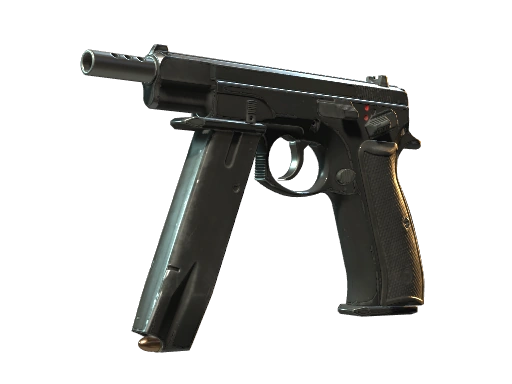
This specialized sidearm functions as a compact submachine gun alternative, featuring fully automatic fire capability that can eliminate opponents rapidly in confined spaces.
- Performance Advantages: Exceptional close-quarters time-to-kill metrics, devastating initial engagement damage output, formidable close-range intimidation factor.
- Operational Constraints: Restricted ammunition capacity (12 rounds), significant recoil management requirements, extended weapon deployment timing.
- Tactical Deployment: Ambush scenarios, tight angle defense, unexpected aggressive peeking maneuvers.
The CZ75-Auto demands calculated risk assessment—it punishes tactical errors but delivers extraordinary rewards for precise timing and positioning.
Strategic Adaptation Note: The transition from CS:GO to CS2 introduced subtle mechanical adjustments. The CZ75 now features marginally increased draw delay and tighter bullet spread patterns, requiring adjustment for players accustomed to previous iteration performance characteristics.
Mastering CS2 pistol combat extends beyond basic aiming proficiency—it encompasses sophisticated movement mechanics, economic intelligence, and psychological warfare elements that separate elite performers from average competitors.
Movement Mastery for Pistol Dominance
Pistol effectiveness directly correlates with movement proficiency. Unlike rifles that permit sustained firing from stationary positions, optimal pistol utilization requires continuous motion and positioning adjustments.
Critical movement principles:
- Counter-Strafing Fundamentals: Execute precise directional input transitions (tap movement key, immediate release, then engage target).
- Dynamic Positioning: Leverage mobility advantages to surprise opponents through unconventional angle approaches and rapid peeking maneuvers.
- Positional Awareness: Avoid prolonged stationary positioning—pistols thrive in rapid engagement scenarios rather than extended firefights.
Common movement errors to eliminate:
- Excessive wide-swing peeking without tactical utility deployment.
- Independent engagement when team trading opportunities exist.
- Predictable angle repetition that enables opponent pre-aiming.
Professional players maximize pistol effectiveness through calculated movement patterns that minimize exposure while maximizing engagement effectiveness.
Economic Intelligence and Purchase Timing
Strategic pistol acquisition occurs during specific match phases where maximum value extraction is possible.
Optimal purchase scenarios:
- Pistol Rounds: Initial and mid-game round resets (rounds 1 and 16).
- Economic Conservation Periods: Budget management phases where future full-equipment purchases are prioritized.
- Forced Purchase Situations: When available funds only permit sidearm and armor acquisitions.
- Critical Situation Management: Final operative scenarios where secondary weapon retrieval becomes necessary.
In these contexts, selecting appropriate pistols can determine round outcomes.
Illustrative deployment examples:
- P250: Exceptional $300 value selection during economic disadvantage rounds.
- Desert Eagle: Can completely reverse round dynamics when marksmanship confidence is established.
- Five-SeveN & Tec-9: Optimal when anticipating close-quarters combat engagements.
- CZ75-Auto: Should only be acquired when confident in managing its high-risk operational profile.
The underlying principle involves maintaining offensive pressure without jeopardizing future economic stability. Single pistol round victories during economic disadvantage can disrupt opponent momentum and reset economic balances—strategic impacts of monumental proportions.
Systematic Training Methodologies
Developing consistent pistol performance requires structured practice routines targeting specific skill components.
Recommended training maps (Steam Workshop):
- Aim Botz – Training: Isolated target engagement practice.
- Rapid Target Acquisition Training: Reflex development and response time improvement.
- Yprac Pistol Arena: Specialized pistol training environment.
Effective daily routine structure:
- Execute 100 cranial engagements with Desert Eagle.
- Practice controlled burst management with Glock-18 and Tec-9.
- Practice precision single-tap engagements at varying distances using USP-S or P250.
Consistent daily 20-30 minute practice sessions produce measurable performance improvements.
Training environment selection guidelines:
- Aim Training Simulations: Facilitate accuracy refinement without performance pressure.
- Live-Fire Practice Sessions: Provide real-time reaction development and muscle memory reinforcement.
Advanced practitioners simulate actual match conditions: reduced vitality scenarios, ammunition limitations, confined space engagements. Increased realistic scenario integration correlates directly with enhanced combat effectiveness.
Elite CS2 competitors approach pistol rounds with sophisticated strategic frameworks that leverage mechanical understanding, team coordination, and psychological warfare elements.
Pro-Level Configuration and Loadout Optimization
Professional players predominantly utilize specific pistol configurations that maximize their individual playstyle effectiveness while complementing team strategic approaches.
Competitive preference patterns:
- USP-S on Counter-Terrorist sides (enhancing silenced precision tapping capabilities).
- P250 or Tec-9/Five-SeveN during economic conservation phases.
- Desert Eagle on maps featuring extended sightlines (Dust2, Mirage).
Advanced configuration optimizations:
- Reduced Sensitivity Settings: Enable precise crosshair positioning and cranial target acquisition.
- Simplified Reticle Designs: Facilitate clear cranial alignment visualization.
- Enhanced Frame Rate Configurations: Minimize input latency and maximize consistency.
Elite competitors frequently implement specialized key bindings for rapid weapon transition between pistol and melee implements to conserve critical milliseconds during fast-paced engagements.
Strategic Positioning and Angle Selection
With pistols, positional intelligence becomes paramount—you typically operate at tactical disadvantages compared to rifle-equipped opponents. Consequently, intelligent positioning and unexpected angle approaches become your primary tactical advantages.
Professional tactical recommendations:
- Unconventional Angle Occupation: Avoid standard pre-aim locations to surprise opponents.
- Site Concentration Strategies: During economic disadvantage rounds, consolidate team members on specific bomb sites with coordinated pistol deployments for ambush effectiveness.
- Proximity Engagement Prioritization: Pistols demonstrate peak performance at close ranges—compel opponents to engage on your terms.
- Efficient Trading Protocols: Avoid independent peeking when team trading possibilities exist. Even with pistols, numerical superiority typically determines engagement outcomes.
Professional competitors frequently secure pistol round victories not through superior raw marksmanship (though they possess this capability), but through intelligent positioning, precise timing, and coordinated team execution.
Performance Optimization Through Cosmetic Customization
While cosmetic implementations don’t influence mechanical performance parameters, psychological factors significantly impact player confidence and subsequent performance metrics.
Popular aesthetic customization options:
Pistol Model Community-Favorite Skins Glock-18 Fade, Water Elemental, Moonrise USP-S Kill Confirmed, Printstream, Cortex P2000 Fire Elemental, Imperial Dragon Dual Berettas Twin Turbos, Dualing Dragons P250 See Ya Later, Asiimov CZ75-Auto Xiangliu, The Fuschia Is Now Five-SeveN Monkey Business, Hyper Beast Tec-9 Fuel Injector, Avalanche Desert Eagle Blaze, Printstream, Crimson Web R8 Revolver Fade, Bone Forged Some operators select sidearms based primarily on aesthetic considerations. While seemingly irrational, we’ve all engaged in this behavior. If you experience confidence regarding your equipment configuration, you perform with enhanced self-assurance.
Performance impact clarification: Cosmetic elements exert zero influence on mechanical performance metrics. However, psychological dimensions matter significantly. If utilizing a $500 Desert Eagle skin provides confidence enhancement and facilitates performance improvement, that constitutes tangible benefit—even if primarily psychological in nature.
Additionally, personalizing your pistols and equipment loadouts enhances game personalization. Counter-Strike 2 fundamentally revolves around confidence dynamics. Whether addressing marksmanship proficiency or visual presentation, embrace ownership completely.
Action Checklist
- Practice 100 daily headshots with Deagle, USP-S, and P250 in aim training maps
- Master counter-strafing techniques for all pistols
- Analyze team economy before each pistol purchase decision
- Study professional positioning and timing through match replays
- Execute daily 20-minute aim training sessions focusing on headshot consistency with primary pistols
- Practice counter-strafing mechanics for 10 minutes during each practice session
- Master economic decision-making for pistol purchases during specific round types
- Analyze professional match demos focusing on pistol round strategies and positioning
- Develop team coordination protocols for pistol round executions
- Implement systematic weapon transition bindings to optimize engagement speed
- P250: Exceptional $300 value selection during economic disadvantage rounds.
- Economic Conservation Periods: Budget management phases where future full-equipment purchases are prioritized.
No reproduction without permission:Tsp Game Club » Pistol Guide: Sidearms in CS2