
TL;DR
- Shadow dominates S-tier with unmatched handling and intimidation factor that translates to competitive advantage
- Character selection requires balancing four key factors: performance metrics, personality, visual design, and replay value
- Build a flexible rotation of 3-5 characters to adapt to different tracks and opponent compositions
- Avoid F-tier racers with fundamental flaws that create competitive disadvantages in most scenarios
- Track-specific character choices can provide significant advantages on technical courses and specialized environments
Optimizing your character selection in Sonic Racing Crossworlds requires understanding multiple performance dimensions beyond basic statistics. With an extensive roster exceeding 30 unique racers from Sonic lore, Sega partnerships, and crossover collaborations, strategic character investment becomes essential for competitive success. Our comprehensive evaluation framework analyzes every competitor through rigorous gameplay testing and community feedback to identify true racing excellence.
Effective character assessment extends far beyond numerical attributes in Crossworlds. Superior racers integrate responsive control schemes, compelling vocal performances, and dynamic transformation sequences that enhance the racing experience. Our ranking methodology examines competitors across four critical evaluation criteria:
Sonic Racing: CrossWorlds comprehensive analysis …
Common selection mistakes include overvaluing raw speed statistics while underestimating handling characteristics on technical tracks. Advanced players should prioritize characters with versatile toolkits that adapt to changing race conditions rather than specializing in single attributes.
These elite competitors represent the pinnacle of Crossworlds racing excellence. You’ll consistently achieve top placements while enjoying premium gameplay experiences race after race with these standout performers.
Shadow unquestionably dominates the highest tier for multiple compelling reasons. His assertive personality manifests through exceptional voice performance, while his precision handling provides responsive control in tight situations. The Ultimate Lifeform delivers intimidation presence that perfectly complements his racing dominance, creating psychological advantages against opponents.
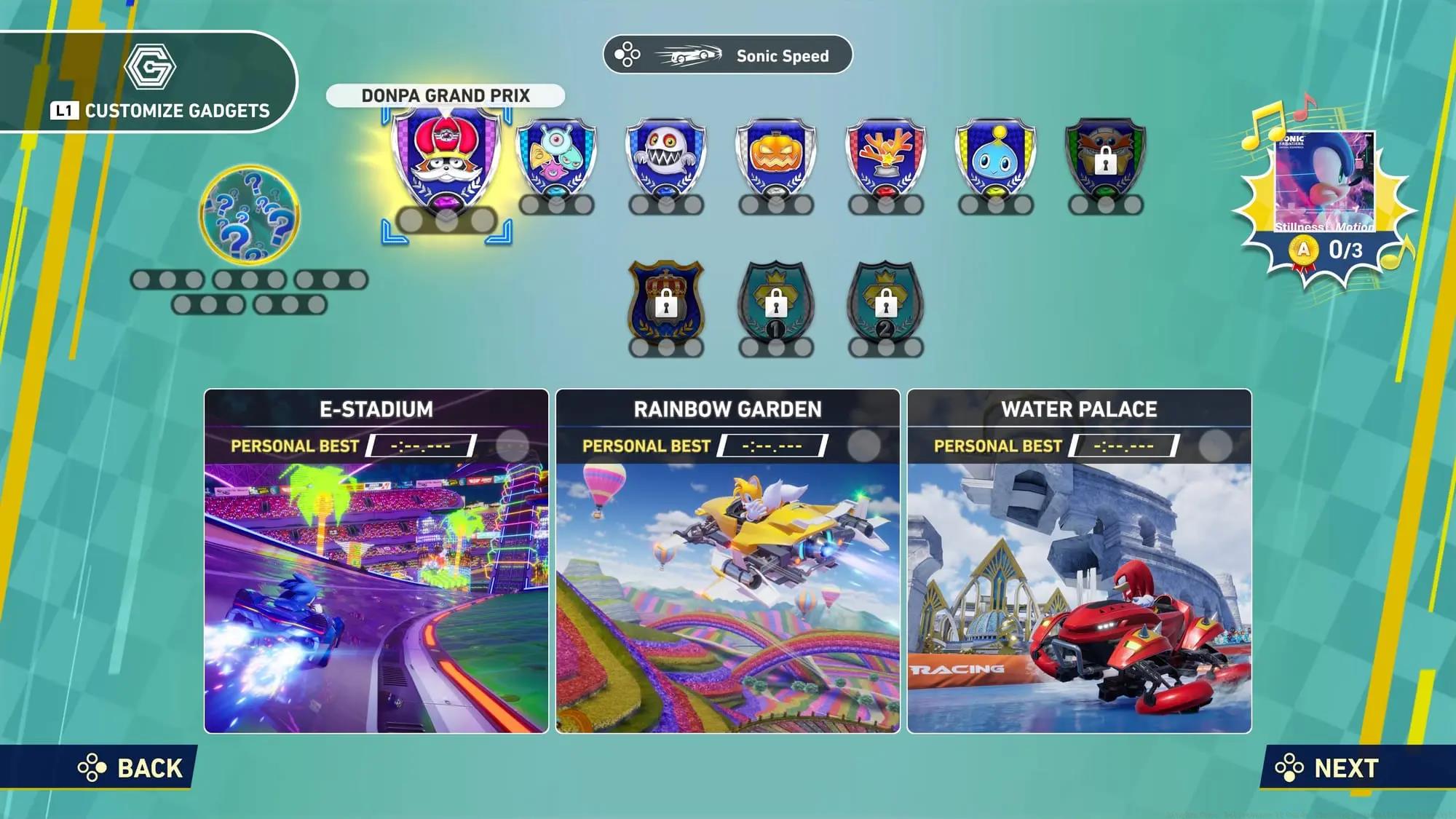
Sonic himself delivers blistering acceleration that excels on straight-heavy courses, though requires advanced technique to maximize on technical tracks. His transformation sequences showcase spectacular visual effects that enhance the racing spectacle without compromising control responsiveness.
Avoid overusing boost mechanics with S-tier characters during the initial lap—conserving resources for critical final lap moments often determines victory margins. These top performers typically require 5-10 hours of dedicated practice to master their advanced techniques and situational applications.
These reliable alternatives deliver competitive performance while offering distinctive playstyles that complement primary mains. While slightly less dominant than S-tier options, they remain excellent choices for varied racing scenarios and personal preference.
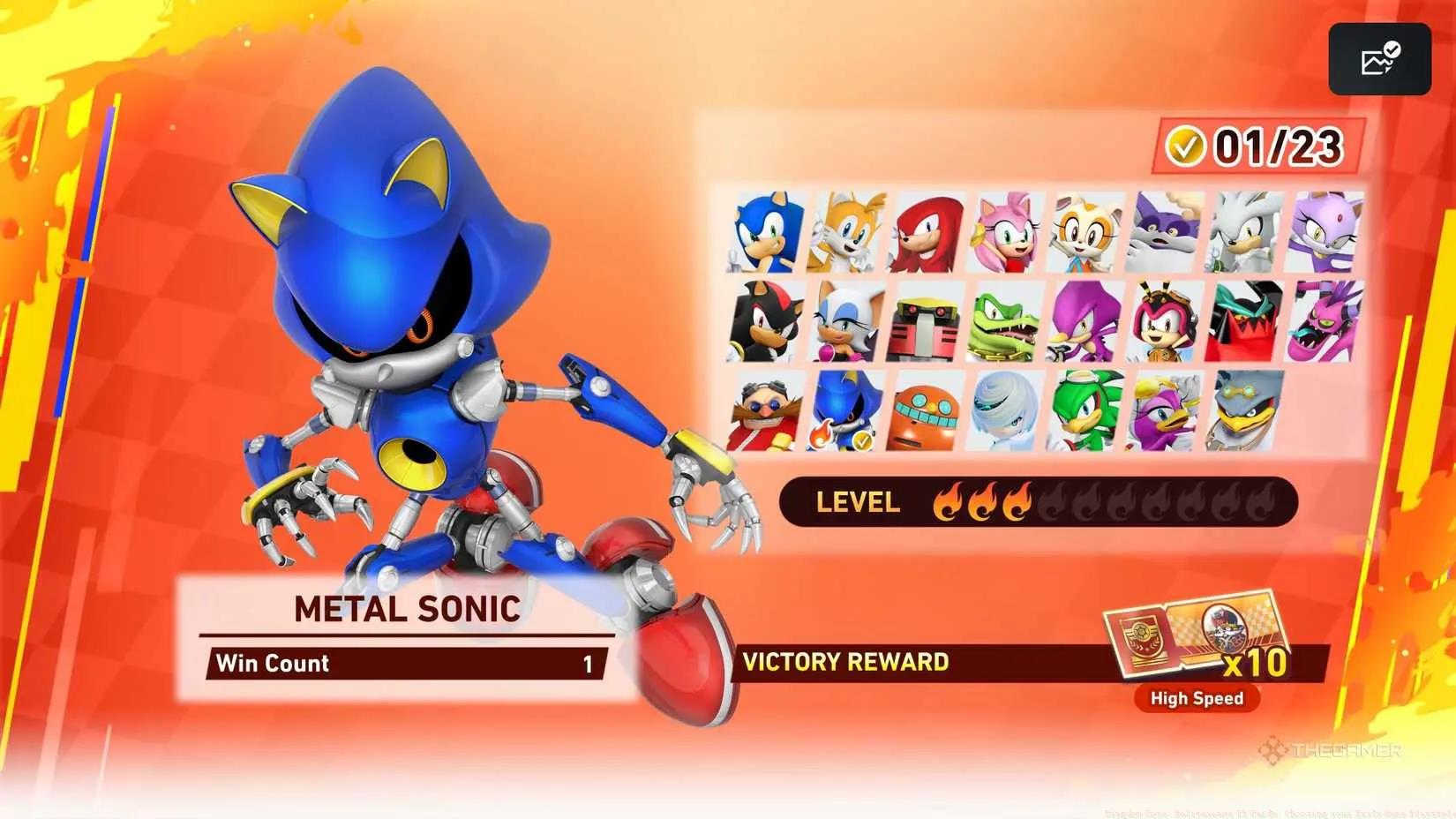
Knuckles provides exceptional off-road traction that shines on courses with extensive dirt sections and alternative pathways. His powerful physique translates to superior collision resistance, allowing aggressive positioning in packed racing situations.
Tails delivers technical superiority with unique aerial capabilities that bypass traditional racing lines. His inventive gadgets create strategic advantages on courses with elevation changes and complex geometry that reward creative routing.
When selecting A-tier characters, focus on mastering 2-3 specific tracks where their specialized abilities provide maximum advantage. These racers typically excel in particular environmental conditions or against specific opponent compositions rather than universal dominance.
These conditional performers deliver value in specific circumstances but lack the versatility of higher-tier alternatives. Strategic deployment during appropriate track conditions or team compositions can yield competitive results despite general limitations.
Amy Rose demonstrates exceptional technical precision on narrow urban courses with complex chicanes and tight corners. Her lightweight frame enables rapid direction changes that outperform bulkier competitors in confined racing environments.
Vector the Crocodile dominates wet weather conditions with superior hydroplaning resistance and visibility maintenance. His larger hitbox creates disadvantages on technical courses but provides benefits in collision-heavy racing scenarios.
B-tier characters require careful matchup analysis before selection—deploy them only when their specific advantages align with current racing conditions. These situational picks typically excel in 1-2 specific course types while underperforming elsewhere.
These novelty characters offer entertaining diversions but lack competitive viability for repeated use. While providing amusing gameplay variations, they typically feature significant performance limitations that hinder consistent results.
Big the Cat delivers humorous voice lines and unconventional racing animations that provide comic relief during casual sessions. His deliberate pacing and oversized vehicle create handling challenges that frustrate competitive racing attempts.
Charmy Bee offers unique aerial perspectives with floating capabilities that bypass traditional racing challenges. His miniature size creates visibility issues during intense racing situations and collision detection inconsistencies.
Limit C-tier usage to completionist objectives or casual entertainment sessions—avoid these characters during competitive ranking matches or time trial attempts. Most players will achieve maximum value from 1-2 races before returning to more viable alternatives.
These underwhelming performers feature fundamental flaws that discourage regular selection. While technically functional, their combination of limitations creates frustrating gameplay experiences with minimal competitive value.
Omega provides robotic voice work and mechanical animations that lack personality compared to more charismatic alternatives. His cumbersome handling and delayed response times create control frustrations during precision racing segments.
Jet the Hawk delivers arrogant dialogue that quickly becomes repetitive across multiple racing sessions. His technical handling characteristics require excessive compensation that distracts from strategic racing decisions.
D-tier characters typically represent wasted roster slots for most players—prioritize unlocking and mastering higher-tier alternatives before investing time in these suboptimal choices. The performance gap becomes particularly noticeable during online competitive matches.
These critically flawed characters should be avoided entirely by serious competitors. Fundamental design issues and performance deficiencies create insurmountable disadvantages in virtually all racing scenarios.
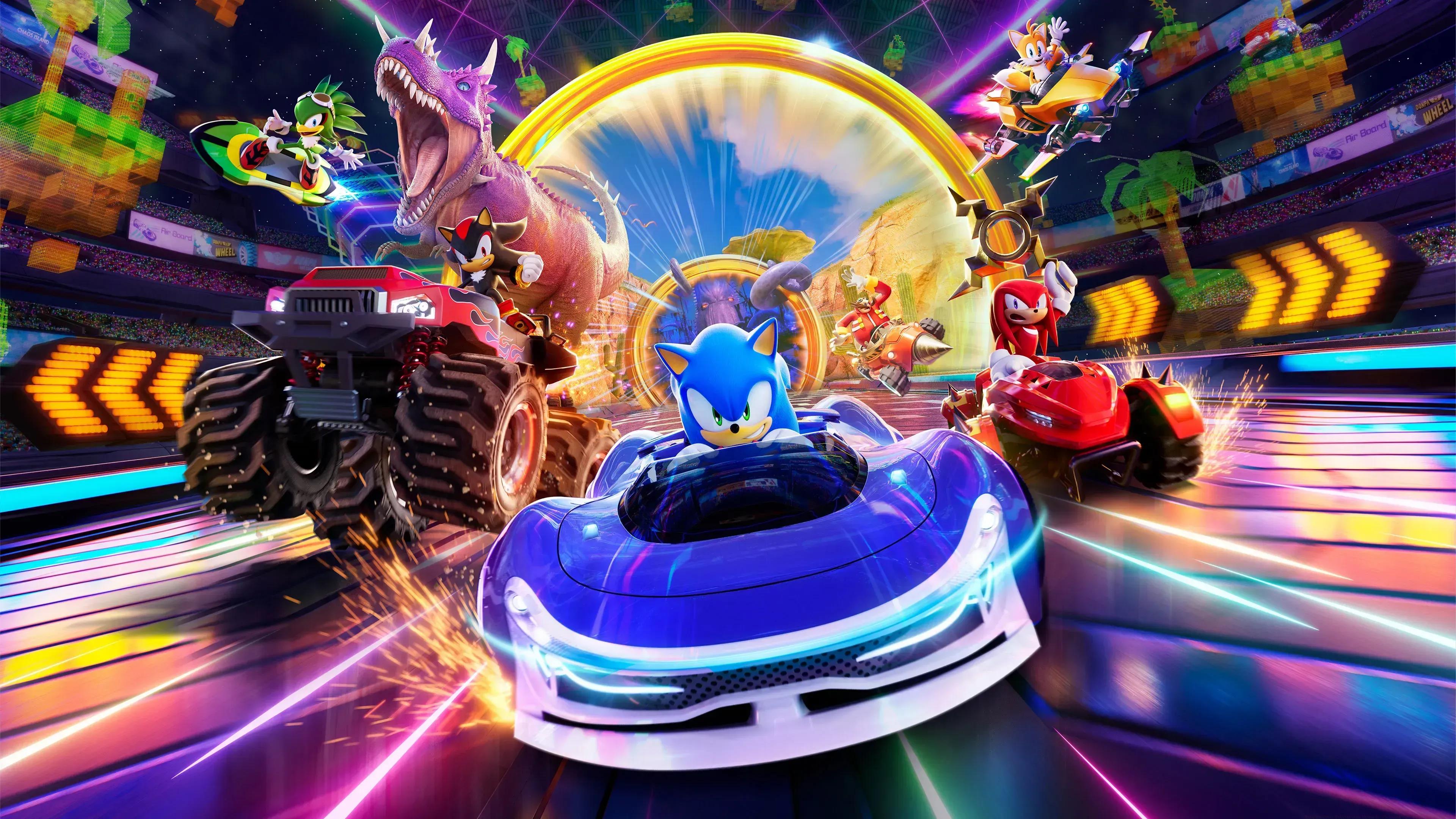
Zavok delivers monotonous voice performance and generic transformation sequences that lack visual impact. His combination of poor acceleration, sluggish handling, and weak special abilities creates no competitive advantages.
Classic Sonic provides nostalgic appeal but suffers from outdated design philosophy that clashes with modern racing mechanics. His limited ability toolkit and simplified transformations feel underwhelming compared to contemporary alternatives.
F-tier selections represent active handicaps—avoid these characters completely unless attempting challenge runs or completionist objectives. The performance deficit typically results in placement penalties of 3-5 positions compared to viable alternatives.
Premium downloadable content introduces additional variables to character selection strategy. These supplementary racers often feature unique mechanics not present in the base roster, requiring specialized evaluation criteria.
DLC characters frequently launch with balance considerations that may favor early adoption advantages before subsequent patches. Monitor community feedback and patch notes closely when evaluating premium content investments for competitive purposes.
Blaze the Cat demonstrates exceptional flame-based abilities that create unique environmental interactions on specific course types. Her premium status typically guarantees higher production values but doesn’t always translate to competitive superiority.
Evaluate DLC characters against your existing roster strengths before purchase—avoid redundant additions that duplicate already-mastered playstyles. Premium content typically requires 2-3 hours of dedicated practice to integrate effectively into your character rotation.
Strategic character development requires constructing a flexible roster of 3-5 mains that cover diverse racing scenarios and opponent matchups. Avoid over-specialization in single characters that creates vulnerability to specific counter-strategies.
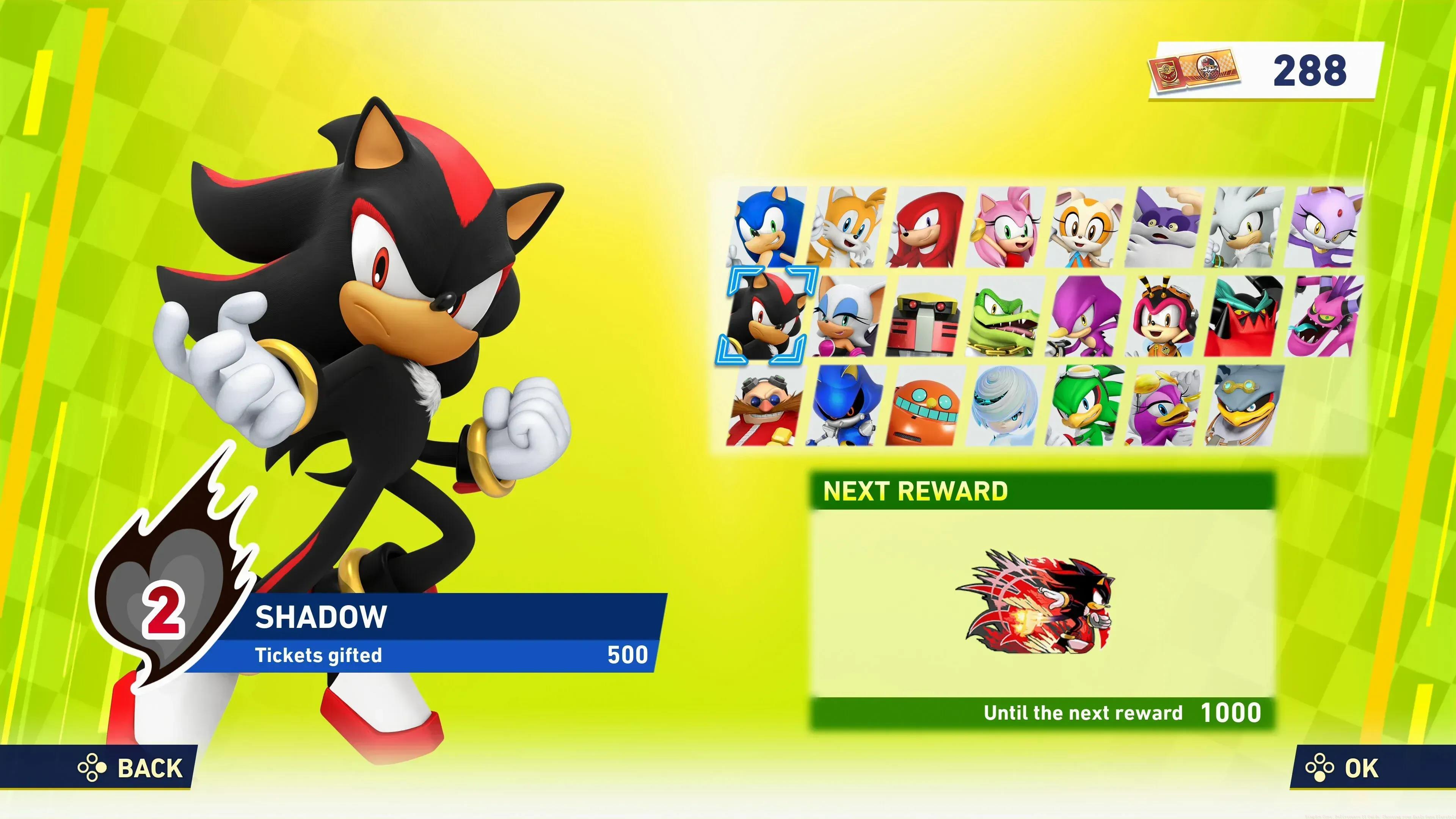
Ideal character rotations include one S-tier primary main for general dominance, two A-tier specialists for situational advantages, and one B-tier counter-pick for specific opponent compositions. This balanced approach ensures adaptability across varying competitive conditions.
Allocate practice time proportionally to your rotation priorities—dedicate 50% to your primary main, 30% to secondary specialists, and 20% to situational counters. This training distribution maximizes competitive readiness while maintaining strategic flexibility.
For comprehensive team building strategies that extend beyond character selection, consult our Class Guide which details synergistic composition principles applicable across racing genres.
Environmental adaptation represents a critical advanced skill in competitive Crossworlds racing. Different course types dramatically favor specific character attributes and ability configurations.
Technical urban courses with complex chicanes and narrow pathways benefit lightweight characters with precise handling characteristics. These environments punish bulky racers with wide turning radii and momentum-based handling models.
High-speed oval circuits and straight-heavy courses favor acceleration-focused characters that maximize straight-line velocity. These environments minimize the advantages of technical handling while emphasizing raw speed statistics.
Mixed-environment courses require versatile characters that balance multiple attributes without specializing excessively. These balanced performers typically deliver consistent results across varying track conditions rather than dominating specific scenarios.
Understanding these environmental interactions is crucial for competitive success—similar strategic principles apply in our Complete Guide to terrain utilization and positional advantages.
The Crossworlds competitive landscape evolves continuously through balance patches, community discoveries, and strategic innovations. Maintaining current meta awareness ensures your character investments remain relevant long-term.
Anticipate balance adjustments targeting currently dominant S-tier characters that may reduce their competitive advantages. Development teams typically prioritize diversity encouragement through selective nerfs to overperforming options.
Community-driven strategies frequently discover overlooked synergies that elevate previously undervalued characters. Monitor competitive tournaments and leaderboard compositions for emerging trends that may influence the tier hierarchy.
Future content updates will likely introduce additional characters and mechanical adjustments—maintain flexibility in your approach to adapt to these changes. For ongoing meta analysis and update coverage, reference our Weapons Unlock resource which tracks similar evolutionary patterns in competitive gaming ecosystems.
Action Checklist
- Master one S-tier character through 5+ hours of dedicated practice across multiple track types
- Develop two A-tier specialists for situational advantages on your most-played courses
- Identify and avoid F-tier characters that create competitive disadvantages in ranked matches
- Create track-specific character selections for 5 most common racing environments
- Monitor patch notes and community meta reports monthly for balance changes
No reproduction without permission:Tsp Game Club » Sonic Racing: CrossWorlds Character Tier List: Best Racers for Every Track Master Sonic Racing Crossworlds character selection with expert tier rankings, strategic insights, and actionable racing tips