
TL;DR
- Istaroth is an ancient time deity worshipped alongside early Archons in Mondstadt
- Venti originated as an elemental wisp connected to the Thousand Winds
- Multiple connections suggest deeper relationship between the two characters
- Voice actor casting patterns provide compelling evidence for connection
- The lore implications could reshape understanding of Teyvat’s history
Genshin Impact’s recent lore revelations have provided significant insights while simultaneously introducing new mysteries about Teyvat’s ancient history. The connection between Venti and Istaroth represents one of the most intriguing puzzles that has captivated the community’s attention.
Hoyoverse made a deliberate creative decision by employing identical voice talent across all language versions for both Venti and Istaroth. This unprecedented casting choice in Genshin Impact’s history strongly suggests intentional foreshadowing of their deeper relationship. The question of whether Venti and Istaroth represent different aspects of the same entity has become a central topic of discussion among lore enthusiasts.
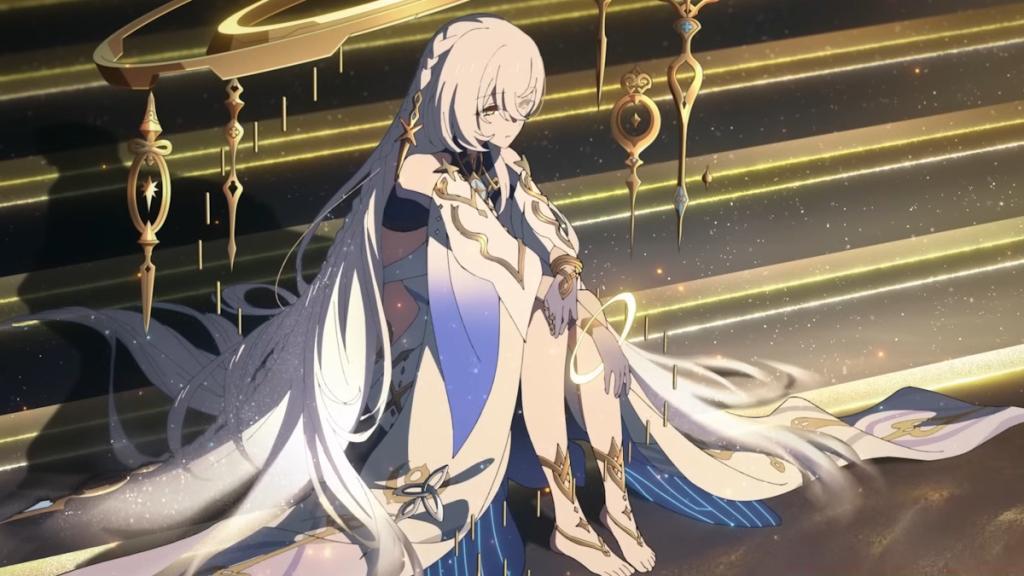
Istaroth holds the title of Time’s Sovereign, ranking among the Four Shades within Genshin Impact’s cosmology. She possesses multiple appellations across cultures, including designations like ‘Thousand Winds of Time’ and the ‘Undying Wind,’ reflecting her enduring nature across epochs.
The deity wields the extraordinary ability to grant historical consciousness to civilizations, establishing her as a foundational figure in Teyvat’s development. Historical records indicate Istaroth received veneration in both Mondstadt and Enkanomiya, both preceding and during the establishment of The Seven Archons. However, devotion to Istaroth has largely faded from contemporary Teyvatian religious practices.
During the pivotal ‘A Space and Time for You’ Archon narrative, which explored Khaenri’ah’s potential restoration, players discovered Istaroth’s crucial involvement during the catastrophic events. She enabled Direidyth’s extraordinary journey five centuries forward to encounter the Traveler. This temporal intervention aimed to divert the Traveler’s sibling from Khaenri’ah’s affairs during the Cataclysm’s tumultuous period.
The underlying motivation for Istaroth’s decision to distract the sibling remains shrouded in mystery, potentially serving either benevolent or sinister purposes. Many theorists speculate she sought to shield the Traveler from the Immortality Curse that Ronova imposed upon Khaenri’ah’s inhabitants, though conclusive evidence remains elusive.
Venti serves as Teyvat’s Anemo Archon, presenting himself as a carefree wandering minstrel throughout Mondstadt who employs musical compositions to preserve and transmit historical narratives. As the Anemo Archon, he demonstrates masterful command over wind elements during combat scenarios. The name Venti functions as a pseudonym for his original identity, Barbatos. Mondstadt’s citizens recognize their Anemo Archon exclusively as Barbatos, prompting his adoption of the Venti alias to maintain anonymity.
Barbatos represents one of only two inaugural members of The Seven who achieved ascension during the Archon War’s initial phase. He began existence as a simple elemental essence within the Thousand Winds collective, completely devoid of divine authority. Through the devoted reverence of the Gunnhildr Clan, Barbatos accumulated sufficient power to rise as the Anemo Archon.
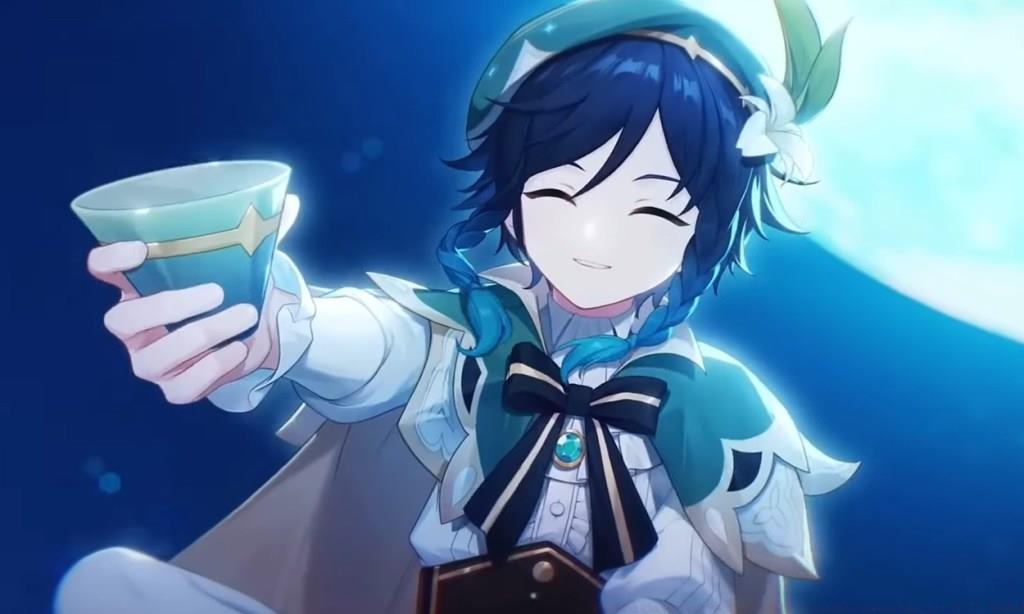
From that historical moment forward, Mondstadt’s population engaged in simultaneous veneration of both Venti and Istaroth. However, across generations, collective memory of Istaroth gradually eroded, leading to the mistaken belief that Venti represented their exclusive divine patron.
Venti and Istaroth share numerous remarkable similarities that extend beyond mere coincidence. The following analysis examines every significant connection between Venti and Istaroth within Genshin Impact’s narrative framework.
Voice Actor Synchronization: The deliberate casting choice employing identical voice performers for both characters across all language versions represents unprecedented development in Genshin Impact’s production history. This artistic decision strongly implies narrative connections that transcend simple character design choices.
Shared Wind Domain: Both entities maintain profound connections to wind and temporal elements. Istaroth’s designation as ‘Thousand Winds of Time’ directly correlates with Venti’s origins as an elemental wisp among the Thousand Winds, suggesting they might originate from the same fundamental cosmic force.
Historical Worship Patterns: Archaeological evidence and textual references confirm that early Mondstadt civilizations practiced concurrent veneration of both deities. This parallel worship structure indicates they were perceived as complementary rather than competing divine figures.
Temporal Manipulation Capabilities: While Venti primarily demonstrates wind-based powers, his ballads and songs possess the unique quality of preserving historical truths across generations – a function that aligns remarkably with Istaroth’s time-related abilities.
Cosmological Positioning: Within Teyvat’s divine hierarchy, both figures occupy unique positions that bridge elemental and temporal domains, suggesting potential functional overlap in their respective roles.
The theory proposing Venti and Istaroth as manifestations of the same entity gains substantial support from multiple evidentiary sources. The voice actor consistency across linguistic versions represents particularly compelling evidence, as Hoyoverse has never previously implemented such casting for unrelated characters.
Supporting Evidence: The overlapping domains of wind and time, combined with their shared historical veneration in Mondstadt, creates a persuasive argument for their fundamental connection.
Alternative Interpretations: Some lore analysts suggest they might represent sibling deities or complementary aspects of a larger cosmic system. The gradual fading of Istaroth from collective memory while Venti’s worship persisted suggests potential succession or absorption of divine functions.
Narrative Implications: If proven true, this connection would fundamentally reshape our understanding of Archon origins and the nature of divine power in Teyvat’s cosmology.
For players seeking to deepen their understanding of character relationships and game mechanics, our Class Guide provides valuable insights into strategic character utilization.
The mystery continues to unfold as Genshin Impact’s narrative progresses, with future updates potentially providing conclusive answers to this intriguing cosmological puzzle.
Action Checklist
- Review all Enkanomiya world quests for Istaroth references
- Complete ‘A Space and Time for You’ Archon quest thoroughly
- Analyze voice actor credits across different language versions
- Study Mondstadt’s historical records for worship pattern evidence
No reproduction without permission:Tsp Game Club » Venti and Istaroth Are the Same Person, New Genshin Impact Theory Suggests Uncovering the mysterious connection between Venti and Istaroth in Genshin Impact's deep lore