
TL;DR
- Cross-platform compatibility eliminates device barriers, allowing seamless gaming across PC, consoles, and mobile
- Modern cross-play evolved from 1990s experiments to today’s industry standard
- Strategic advantages include expanded player bases and continuous progression through cross-saves
- Competitive balance requires addressing input disparities and implementing robust anti-cheat systems
- Top games like Fortnite and Minecraft demonstrate successful cross-platform implementation
In today’s gaming landscape, cross-platform compatibility has transformed from a luxury feature to an essential component of successful game design. With players accessing games across multiple devices, understanding these systems becomes crucial for maximizing your gaming experience.
At its core, cross-platform gaming refers to titles accessible across multiple hardware ecosystems. The primary platforms include PC (Windows), PlayStation 5, Xbox Series X/S, and Nintendo Switch 2, though many gamers continue using legacy systems like PlayStation 4 and Xbox One.
However, platform availability doesn’t automatically guarantee cross-play functionality. For seamless multiplayer sessions across different devices, games must specifically support cross-play features, enabling unified lobbies regardless of hardware differences.
Cross-platform computing extends beyond gaming to encompass software and hardware operating across multiple operating systems including macOS, Android, and Linux environments.
The terminology lacks universal standardization, often causing confusion between cross-platform availability and actual cross-play capabilities. Many players mistakenly assume that purchasing a game on multiple platforms automatically enables playing with friends on different systems.
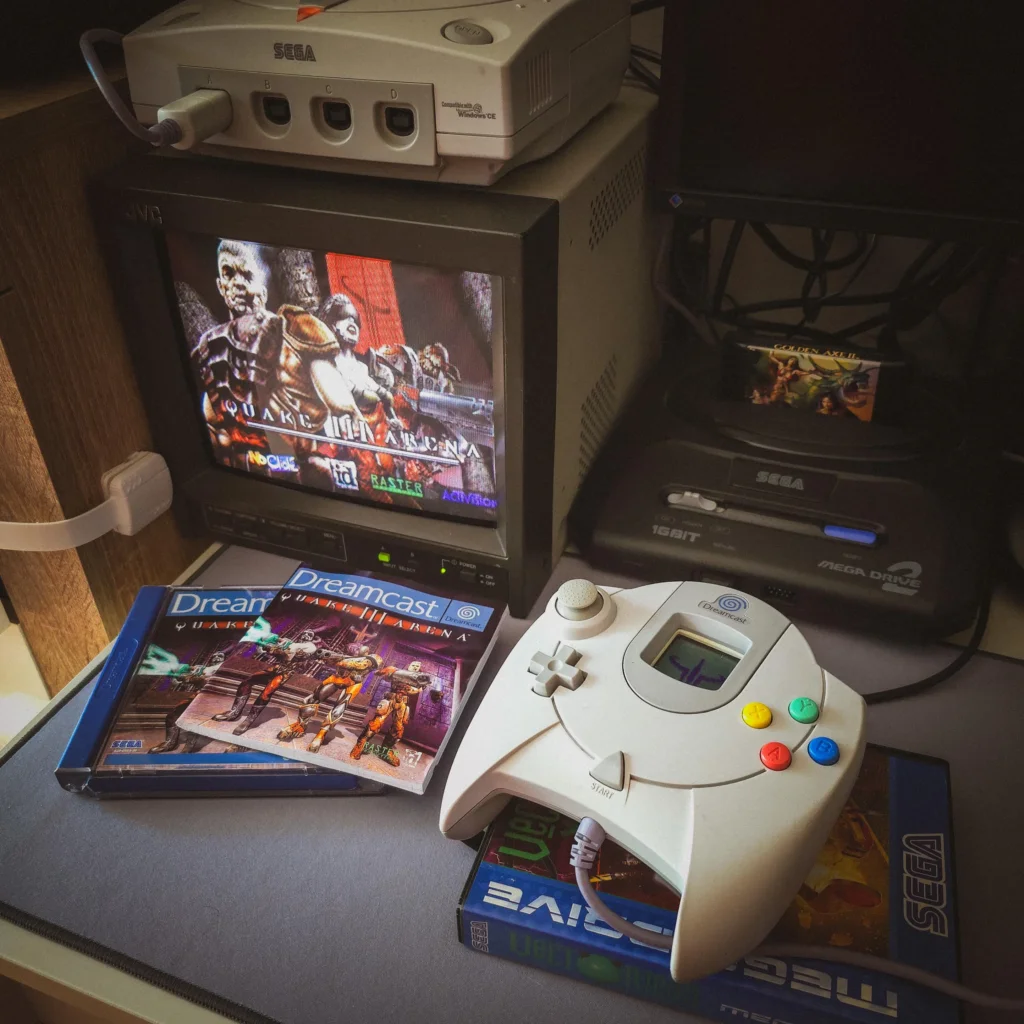
The journey of cross-platform gaming began experimentally in the 1990s. Quake III Arena pioneered this space by enabling PC and Dreamcast players to compete together, though technical limitations and hardware disparities limited widespread adoption.
Throughout the 2000s, gamers faced significant platform fragmentation. Choosing between PlayStation, Xbox, or PC involved complex considerations about exclusive titles, friend networks, and financial constraints, often necessitating multiple device ownership.
The 2010s marked a technological renaissance with unified development frameworks and enhanced internet infrastructure. These advancements enabled broader multi-device support, gradually breaking down platform barriers that had defined the previous decade.
Fortnite’s 2017 release represented the pivotal moment for cross-platform acceptance. Its massive success demonstrated the commercial viability of unified player bases, convincing developers that cross-play could dramatically expand audience reach.
Today, cross-platform support has become an industry expectation rather than an exception. While Sony and Nintendo maintain exclusive titles for their ecosystems, even Sony has embraced strategic PC releases for former PlayStation exclusives.
Modern game development prioritizes cross-platform compatibility as a strategic business advantage. Developers recognize that eliminating platform barriers significantly increases potential market size and player engagement metrics.
Cross-play functionality represents the gold standard, allowing real-time competition and cooperation across different hardware ecosystems. This creates unified competitive landscapes and social experiences previously limited by platform boundaries.
Cross-save capabilities provide perhaps the most significant quality-of-life improvement. This feature enables seamless progression continuity, allowing players to switch between devices without losing gameplay progress or acquired content.
The strategic benefits extend to both publishers and players. Publishers gain expanded distribution channels and increased revenue potential, while players enjoy device flexibility and reduced hardware investment requirements.
For optimal cross-platform performance, ensure your gaming accounts are properly linked across systems. Many titles require specific account configurations, such as Weapons Unlock systems that maintain progression regardless of your chosen platform.
Despite the clear advantages, cross-platform gaming introduces several competitive challenges. Input method disparities create inherent advantages, with keyboard and mouse users typically enjoying precision benefits over controller players in certain genres.
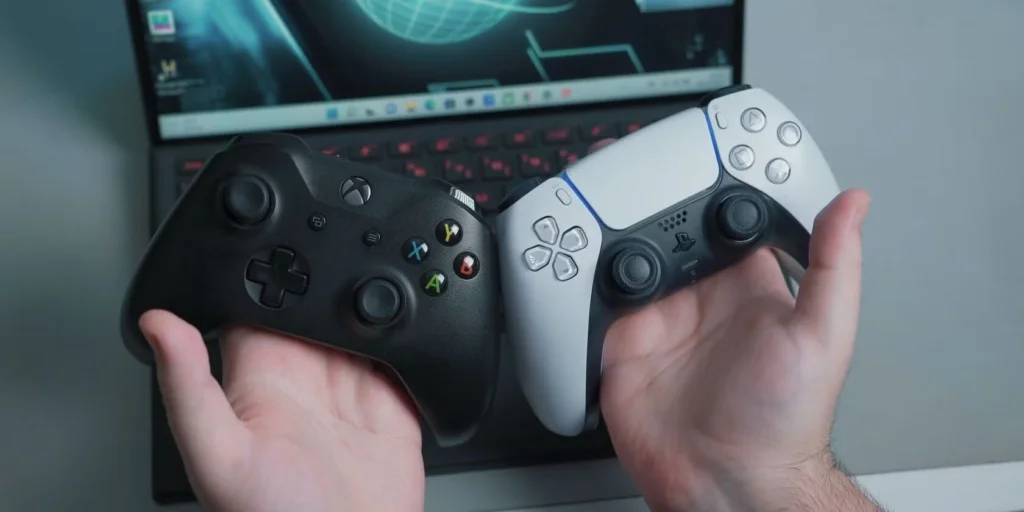
The most significant concern involves cheating prevalence on PC platforms. The open nature of PC systems enables third-party software manipulation, creating trust issues in competitive environments.
Developers address these challenges through sophisticated matchmaking systems and platform-specific options. PlayStation 5 users, for instance, can disable cross-platform features to ensure matches only against other PS5 players.
Advanced anti-cheat systems and input-based matchmaking help maintain competitive integrity. Understanding these systems allows players to optimize their experience based on personal preferences and competitive goals.
For players concerned about competitive balance, researching a game’s specific cross-platform implementation before purchase is crucial. Some titles offer input-based matchmaking, while others provide platform-restriction options for those preferring homogeneous matchups.
We’ve curated a selection of five exceptional cross-platform titles that demonstrate the best implementation of these technologies. Each offers unique approaches to cross-play and cross-save functionality.
Minecraft leads our list as the quintessential cross-platform experience. Available across all current gaming platforms, its Bedrock Edition enables universal compatibility, though it sacrifices some Java Edition customization features.
Rocket League delivers high-octane vehicular soccer action with comprehensive cross-platform support. Through Epic ID integration, players maintain synchronized progression and competitive access regardless of their chosen hardware.
Apex Legends revolutionized battle royale mechanics with its squad-based tactical gameplay. Supporting full cross-platform functionality since 2019, it maintains one of the genre’s largest active player bases exceeding 100 million users.
Call of Duty: Warzone brought the iconic franchise into the battle royale arena with mixed results. While cross-platform accessibility boosted its popularity, persistent cheating issues have challenged its competitive integrity.
Fortnite remains the benchmark for cross-platform implementation, supporting an unprecedented range of devices from high-end PCs to mobile platforms.
Each title demonstrates unique approaches to cross-platform challenges. For comprehensive strategies on optimizing your cross-platform experience, consult our Complete Guide for detailed optimization techniques and platform-specific performance tips.
Understanding each game’s specific cross-platform implementation helps players make informed decisions about which titles best suit their gaming habits and social circles.
Action Checklist
- Verify cross-play support in game specifications before purchase
- Link gaming accounts across platforms using official authentication systems
- Configure platform-specific settings to optimize competitive balance
- Test cross-save functionality by starting gameplay on one device and continuing on another
No reproduction without permission:Tsp Game Club » What is Cross-Platform Compatibility — Definition and Best Cross Platform Games Master cross-platform gaming with expert strategies, common pitfalls to avoid, and platform optimization tips