
TL;DR
- Master float values and patterns – they determine 70% of skin valuation
- Use specialized trading platforms with Steam integration for better pricing
- Always verify trade offers and enable two-factor authentication
- Understand trade-up contract probabilities before investing
- Track market trends and collection rarity for profit opportunities
Acquiring premium weapon skins in CS2 extends beyond simple Steam Marketplace purchases. Savvy traders leverage in-game exchange contracts to transform existing inventory items into higher-value assets. This comprehensive guide delivers professional-grade trading methodologies that separate profitable traders from casual collectors.
The CS2 skin economy encompasses three primary transaction types: direct purchases, peer-to-peer exchanges, and contract-based upgrades. While Steam facilitates the underlying transfer infrastructure, experienced traders utilize specialized third-party platforms that interface with Steam’s API to access enhanced market data and trading tools unavailable through Valve’s native interface.
Security remains paramount in skin trading ecosystems. Industry data indicates approximately 15% of new traders encounter fraudulent schemes within their first six months. Implement account protection measures including Steam Guard mobile authentication and avoid accessing your primary account on public devices.
Professional traders maintain separate Steam accounts exclusively for high-value transactions, significantly reducing exposure to potential account compromises. For those new to tactical shooters, our BF6 Class Selection Guide offers complementary strategic insights applicable across gaming economies.
Successful skin trading demands mastery of valuation factors that professional collectors scrutinize. The most significant pricing determinants include wear level (float), pattern placement, sticker applications, and StatTrak functionality.
Float values represent the most quantifiable pricing metric, with precise numerical ranges corresponding to specific wear categories:
- 0.00-0.06: Factory New (pristine condition)
- 0.07-0.15: Minimal Wear (slight imperfections)
- 0.15-0.38: Field Tested (visible wear)
- 0.38-0.45: Well Worn (significant deterioration)
- 0.45-1.00: Battle Scarred (heavily used)
Pattern identification separates amateur traders from market professionals. Each skin receives a permanent pattern ID (1-999) during generation, determining which segment of the texture map displays on the weapon. Rare patterns like Case Hardened blue gem placements can increase skin values by 300-800% compared to standard variants.
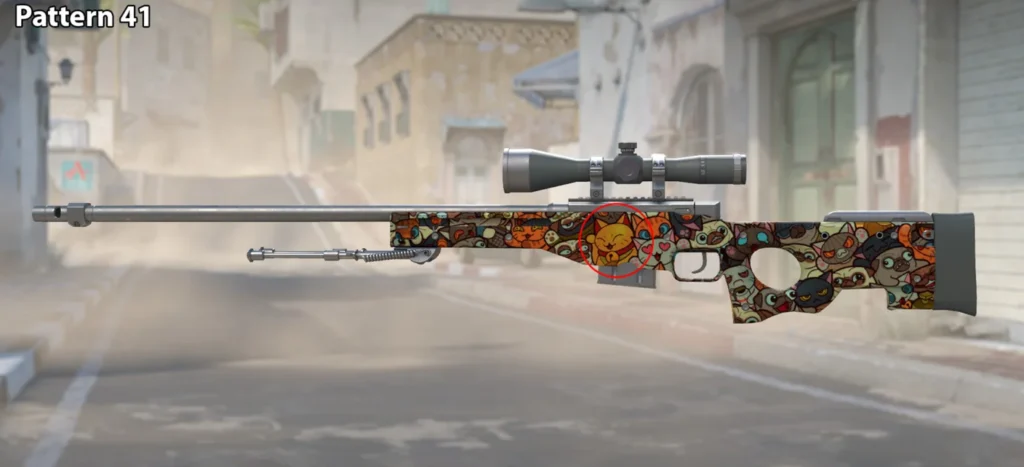
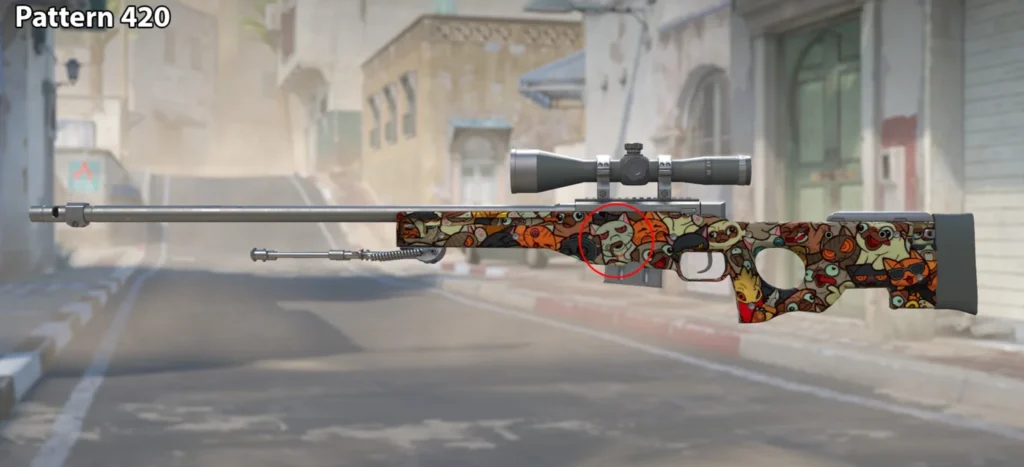
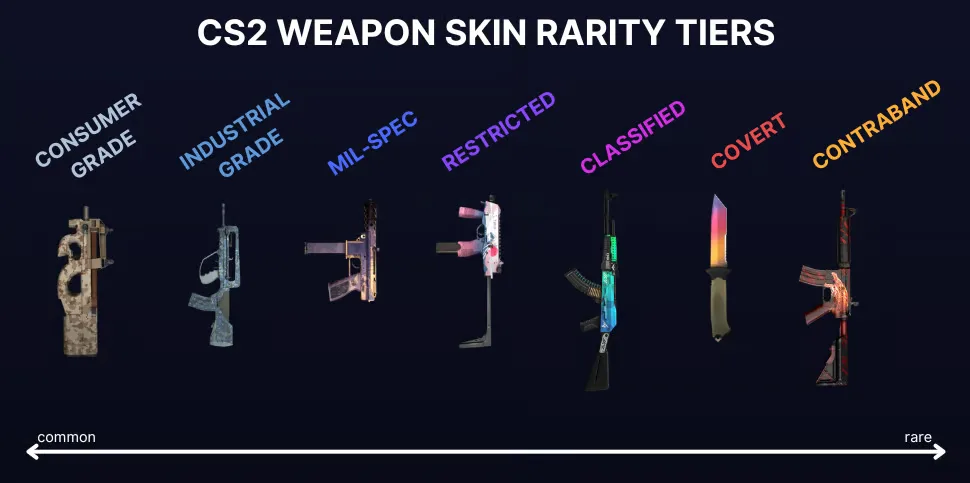
Rarity classification follows a color-coded hierarchy that directly correlates with drop probability and market valuation:
- Gray: Common (consumer/standard grade)
- Blue: Uncommon (industrial grade)
- Dark blue: Rare (Mil-spec)
- Purple: Mythical (restricted)
- Pink: Legendary (classified)
- Red: Ancient (covert)
- Yellow: Immortal (contraband items)
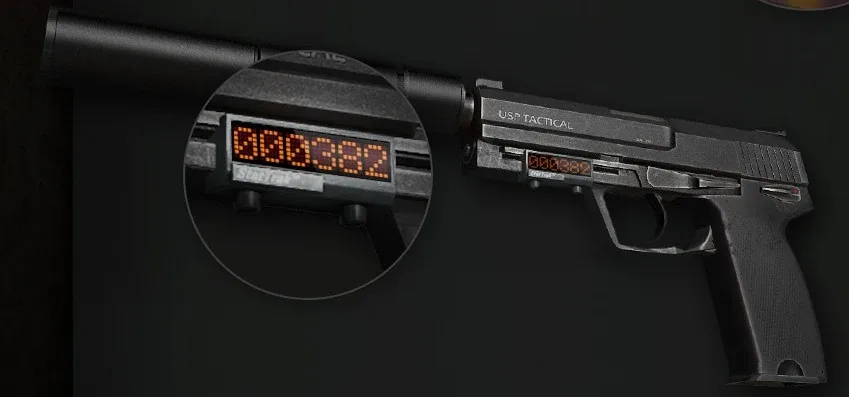
StatTrak technology introduces a 10% acquisition premium, tracking kill counts without providing gameplay advantages. This scarcity-driven valuation principle mirrors broader gaming economies, similar to weapon systems discussed in our BF6 Weapons Unlock Guide.
Sticker applications create complex valuation scenarios where placement, rarity, and combination effects significantly impact final pricing. Holo and foil stickers in particular can increase skin values by 25-60% depending on visibility and desirability.
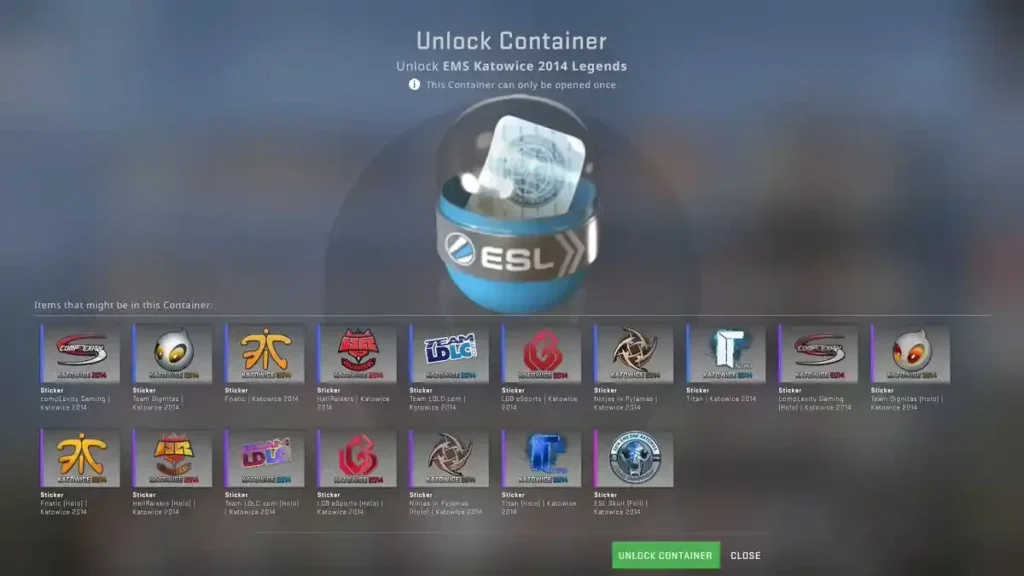
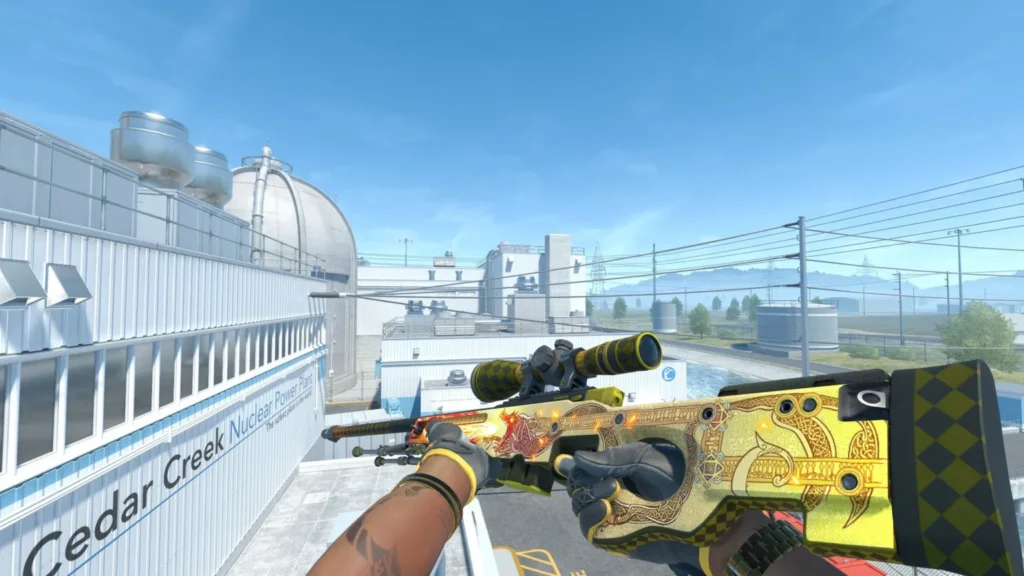
Collectible skins represent the pinnacle of CS2 item valuation, with limited-edition operation collections commanding premium prices. The legendary AWP Dragon Lore exemplifies this category, originating from the exclusive Cobblestone Collection available only during specific majors and operations.
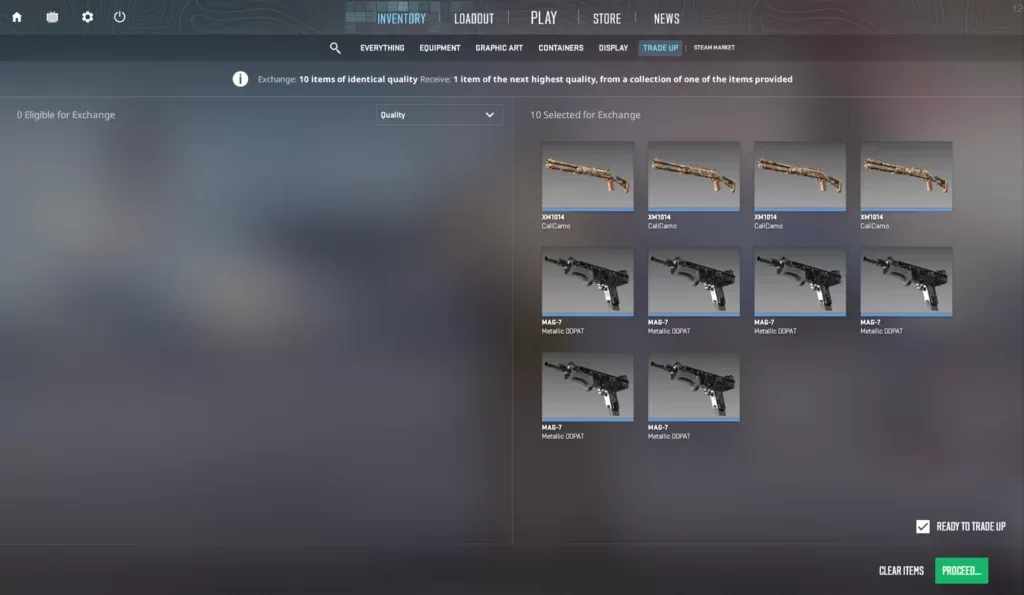
Trade-up contracts enable strategic conversion of ten lower-tier skins into one higher-rarity item. The output skin’s collection affiliation depends entirely on input selection, creating both opportunity and significant financial risk.
Successful contract execution requires understanding collection dependencies and probability calculations. You cannot exchange for knives or gloves through this system, and StatTrak/non-StatTrak skins cannot be mixed within single transactions.
Strategic trade-up opportunities with favorable probability distributions include:
AK-47 | Phantom Disruptor
- 10 Sawed-Off | Apocalypto
- Percentage of successful crafting: 33.3%
AWP | PAW
- 10 Glock-18 | Warhawk
- Percentage of successful crafting: 20%
M4A4 | Evil Daimyo
- 10 Nova | Ranger
- Percentage of successful crafting: 20%
P250 | Supernova
- 10 P2000 | Ivory
- Percentage of successful crafting: 25.00%
Professional trading requires continuous market monitoring and trend analysis. The skin economy experiences volatility influenced by professional tournaments, content updates, and meta shifts. For comprehensive gaming strategy foundations, consult our Battlefield 6 Complete Guide for transferable market analysis skills.
Platform selection critically impacts trading success. Established marketplaces with robust verification systems and Steam integration significantly reduce fraud risk compared to unknown platforms with inadequate security protocols.
Security protocols demand meticulous verification of all trade offers before acceptance. Never disclose Steam credentials or bypass two-factor authentication, regardless of promised incentives.
Action Checklist
- Analyze float values using specialized tools before any purchase
- Research pattern rarity and sticker placement for valuation premiums
- Set up dedicated trading account with maximum security settings
- Verify all trade offers and enable Steam Guard mobile authentication
- Calculate trade-up contract probabilities using online calculators
No reproduction without permission:Tsp Game Club » CS2 skins trading guide Master CS2 skin trading with expert valuation techniques and secure market strategies