
TL;DR
- CS2 features seven specialized roles: IGL, AWPer, Entry Fragger, Rifler, Support, Lurker, and Anchor
- Each role requires specific skills – IGL needs strategic thinking, AWPer demands precision, Entry Fragger requires aggression
- Role versatility is crucial – every player should master primary and secondary positions
- Team coordination dramatically improves role effectiveness compared to solo play
- Professional demo analysis accelerates role mastery and skill development
When advancing to elite CS2 ranks or competitive platforms like FACEIT, raw shooting accuracy and spray control become baseline requirements rather than differentiators. At this advanced level, strategic role execution separates winning teams from the competition. Understanding and mastering specialized positions transforms chaotic pub matches into coordinated tactical operations where every player contributes to a unified strategy.
This comprehensive guide breaks down all seven primary CS2 roles with detailed responsibilities, optimal playstyles, and advanced techniques that professional teams employ. We’ll explore how role specialization creates synergistic team dynamics that elevate your entire squad’s performance.
Captain (IGL)
The In-Game Leader serves as the team’s strategic architect, responsible for round planning, mid-round adaptations, and final execution decisions. An effective IGL must possess exceptional game sense, anticipating opponent movements while coordinating teammate positioning.
Successful IGLs demonstrate three critical competencies: comprehensive map knowledge covering all common executes and counter-strategies, economic management ensuring optimal team buys, and psychological composure maintaining clarity during high-pressure situations. Many IGLs deliberately use economy-tier weapons to fund teammates’ superior gear, prioritizing team strength over individual firepower.
Common IGL mistake: Over-calling strategies without reading opponent tendencies. Advanced tip: Develop 2-3 default setups per map that adapt based on early round information.
Sniper (AWPer)
The AWPer wields the game’s most impactful weapon, capable of single-shot eliminations that instantly shift round momentum. This role demands impeccable reflexes and pixel-perfect crosshair placement to capitalize on the AWP’s one-shot potential while mitigating its mobility limitations and firing rate constraints.
Primary AWPer responsibilities include holding critical angles, creating space through aggressive peeks, and securing opening picks. Economic flexibility is essential – transitioning to SSG 08 during force buys or eco rounds maintains sniper presence without compromising team economy.
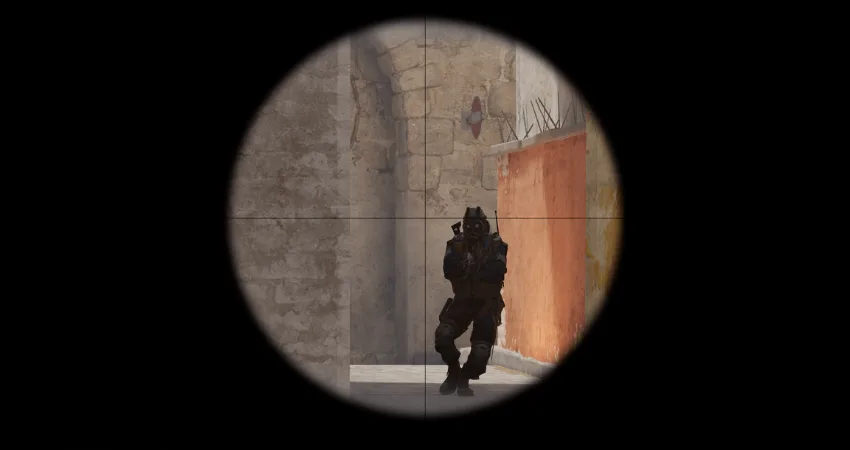
Advanced AWPer technique: Master quick-scoping for mid-range engagements and develop fallback positions when initial angles become compromised.
Entry Fragger
The Entry Fragger operates as the team’s spearhead, initiating site executes and creating entry opportunities through aggressive duels. This role demands exceptional first-bullet accuracy and rapid target acquisition since successful entry kills often determine round outcomes within the initial 15 seconds.
Optimal Entry Fragger play combines calculated aggression with spatial awareness – pushing advantageous timings while systematically clearing angles to secure planting positions.
Critical mistake: Blindly rushing without proper utility support or teammate trade potential. Advanced strategy: Coordinate flashbang timing with support players to enter sites with visual advantage while maintaining communication about defender positions.
Rifler
The Rifler represents CS2’s most adaptable role, functioning as the team’s tactical Swiss Army knife. These players must master all primary rifle weapons – AK-47, M4 variants, and FAMAS/Galil – adapting weapon choice to economic situations and map requirements.
Riflers provide crucial flexibility, transitioning between site anchoring, lurking, and secondary entry duties based on round developments.
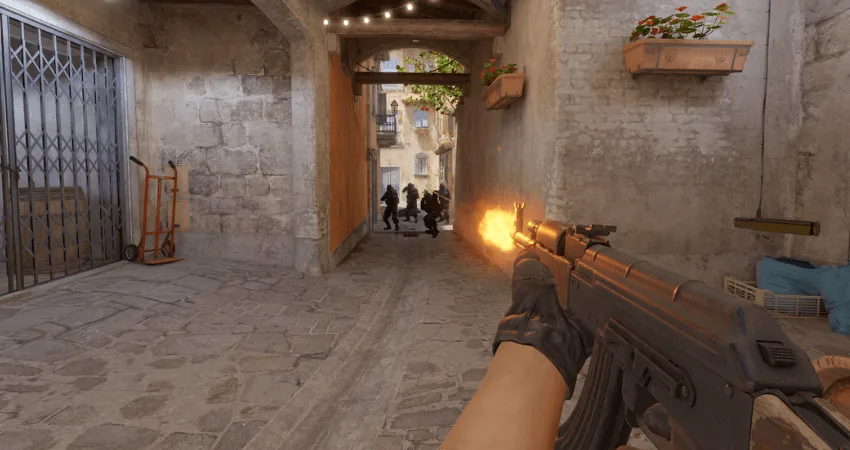
Advanced rifler development: Practice spray transfer between multiple targets and master counter-strafing techniques for peeking advantage. For comprehensive weapon mastery, consult our BF6 Weapons Unlock Guide which covers similar fundamental principles.
Support
Support players function as the team’s strategic enablers, prioritizing utility usage and economic management over individual frag counts. Their contributions often go statistically unnoticed while fundamentally enabling team success.
Key support responsibilities include executing set smokes and molotovs, providing cover flashes for entries, and gathering intelligence through careful positioning and sound cues.
Advanced support technique: Master lineup-based utility that can be thrown from safety, and develop economic awareness to optimize team buy rounds.
Lurker
The Lurker operates as the team’s strategic wildcard, creating map control through unconventional positioning and timing. This role demands exceptional patience and game sense to capitalize on opponent rotations and information gaps.
Effective lurking requires balancing aggression with information gathering – sometimes allowing opponents to pass uncontested provides more strategic value than securing a single elimination.
Primary lurker objectives include intercepting rotates, gathering defender intelligence, and creating diversionary pressure that enables primary site executes.
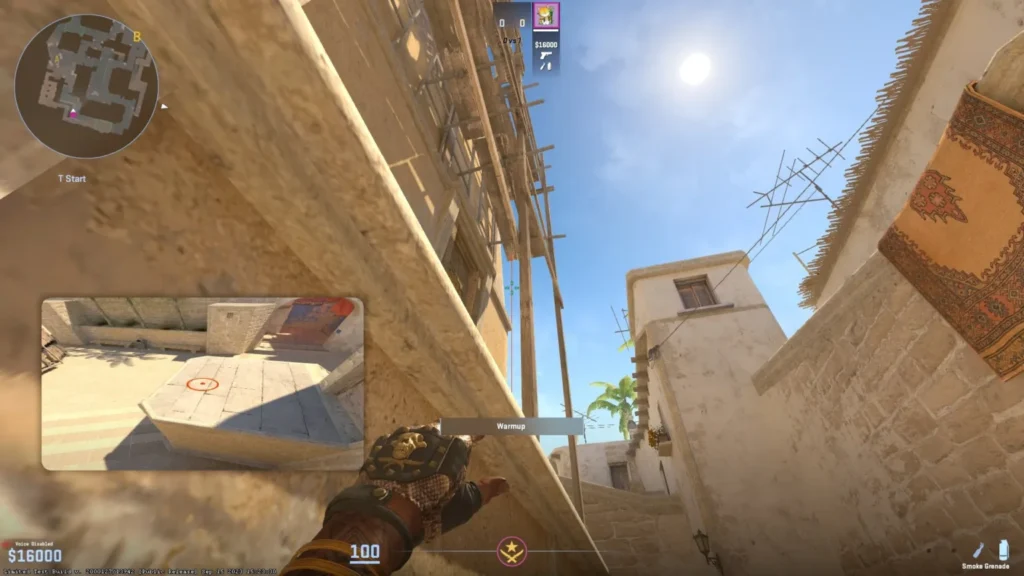
Common lurker mistake: Over-aggression that reveals position without strategic gain. Advanced technique: Time movements with teammate engagements to maximize distraction effectiveness.
Anchor
The Anchor serves as the defensive cornerstone for specific bomb sites, specializing in area denial and retake prevention. This role demands exceptional positioning knowledge and utility usage to delay plant attempts and gather critical attacker information.
Key anchor responsibilities include holding initial rushes, communicating execute information, and preventing bomb plants through aggressive defensive plays when necessary.
Advanced anchor strategy: Develop fallback positions that maintain site control while avoiding predictable patterns that attackers can exploit.
Elite CS2 teams understand that role flexibility creates strategic unpredictability. Every player should develop proficiency in both primary and secondary positions, enabling mid-round adaptations that counter opponent reads. This flexibility becomes particularly crucial during economic disadvantages where role consolidation maximizes limited resources.
Secondary role mastery enables tactical shifts like deploying dual AWPs on defense or consolidating to rifle-heavy setups during save rounds.
Communication protocols between roles dramatically impact effectiveness. Establish clear callout systems for role-specific information – lurkers reporting rotate timings, supports communicating utility availability, and IGLs synthesizing this information into adaptive strategies.
For teams seeking comprehensive strategic development, our Battlefield 6 Complete Guide offers transferable team coordination principles that apply across tactical shooters.
Role selection follows different paradigms in solo queue versus organized team play. Solo matchmaking demands role fluidity – adapting to teammates’ preferred positions while filling strategic gaps. Prioritize roles that enable independent impact when communication is limited.
Organized team environments enable role specialization and deeper skill development. Establishing a “permanent five” with defined roles creates consistency that accelerates team chemistry and strategic execution.
Skill development roadmap: Identify natural tendencies (aggressive vs patient playstyles), then systematically develop required skills through focused practice and professional demo analysis.
When discovering role affinity – consistently performing well as AWPer, for example – leverage professional player demos to accelerate mastery. Study positioning, angle selection, and rotation timing from elite players in your chosen role. For class-based specialization insights, our BF6 Class Selection Guide provides complementary decision-making frameworks.
This strategic understanding transforms chaotic pub matches into coordinated tactical operations. Mastering your role elevates not just individual performance but transforms team dynamics and winning consistency.
Action Checklist
- Analyze your natural playstyle – aggressive (Entry/AWPer) or patient (Support/Anchor)
- Practice primary weapon mastery for your chosen role (30 minutes daily)
- Develop secondary role proficiency for team flexibility
- Study professional player demos in your role (1 hour weekly)
- Establish communication protocols with teammates for role coordination
- Review and adapt role execution based on match performance
No reproduction without permission:Tsp Game Club » CS2 team roles Master CS2 team roles with advanced strategies, common pitfalls, and practical execution checklists