
TL;DR
- Master spray patterns with dedicated 30-minute daily sessions on community maps
- Build economic discipline through calculated buy/save decisions each round
- Practice weapon categories systematically with targeted drills and analysis
- Use role-specific loadouts that complement team strategy and map control
- Leverage weapon skins for psychological advantage and potential investment returns
Weapon skins represent far more than visual enhancements in CS2—they embody a complex ecosystem where aesthetics meet economics. While skins don’t alter gameplay mechanics, their psychological impact and financial value create layers of strategic depth beyond mere appearance.
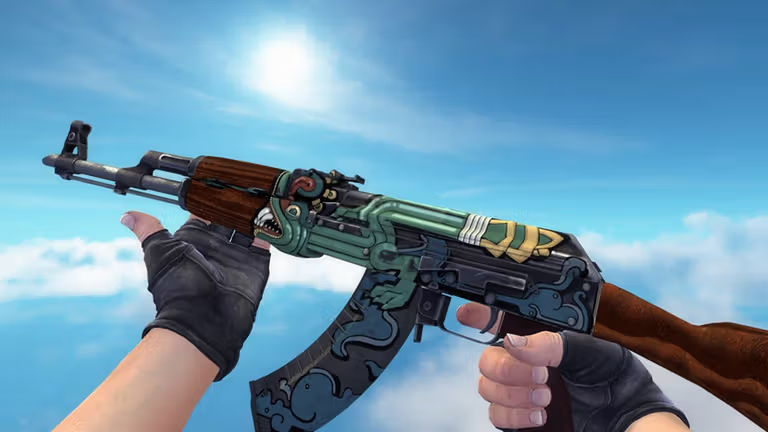
Skins Market Dynamics
CS2’s skin marketplace operates as a sophisticated digital economy where supply, demand, and rarity intersect to create real monetary value. Understanding market fundamentals helps you make smarter acquisition decisions.
- Steam Market: Valve’s official platform provides security but includes transaction fees that reduce profit margins. Prices fluctuate based on seasonal demand, major tournament outcomes, and new case releases.
- Third-Party Sites: External marketplaces offer better pricing structures but require careful vetting for legitimacy and security protocols.
- Skin Rarity and Float: Each cosmetic item features a wear level (float value) ranging from pristine Factory New to heavily worn Battle-Scarred. Lower float values typically command premium pricing due to superior visual quality.
- Stickers and Patterns: Unique visual characteristics like the Case Hardened blue gem patterns or rare sticker combinations can exponentially increase a skin’s market valuation.
Beyond casual collecting, skins function as legitimate investment vehicles. Iconic items such as souvenir AWP Dragon Lores or Karambit Dopplers have established trading histories exceeding $10,000, creating opportunities for financially-savvy players to fund their gaming expenses through strategic trading.
Player Perception Impact
Psychological warfare extends beyond pure aim in CS2. Wearing high-tier skins influences how opponents perceive your skill level and experience. A Factory New AK-47 Redline or StatTrak AWP Asiimov can project confidence, intimidate less-experienced players, and alter in-game interactions—even when the advantage exists only in players’ minds.
The visual attachment factor significantly impacts player performance. Gamers consistently demonstrate improved results when wielding weapons they find visually appealing. Cosmetics inject personality, establish identity, and add individualized style to gameplay approaches. In an intensely competitive environment like CS2, confidence directly correlates with performance outcomes.
Skill development in CS2 follows deliberate practice principles rather than random improvement. The game’s competitive intensity demands structured training regimens and analytical approaches to skill building. Fortunately, the community-developed training infrastructure provides comprehensive tools for systematic improvement.
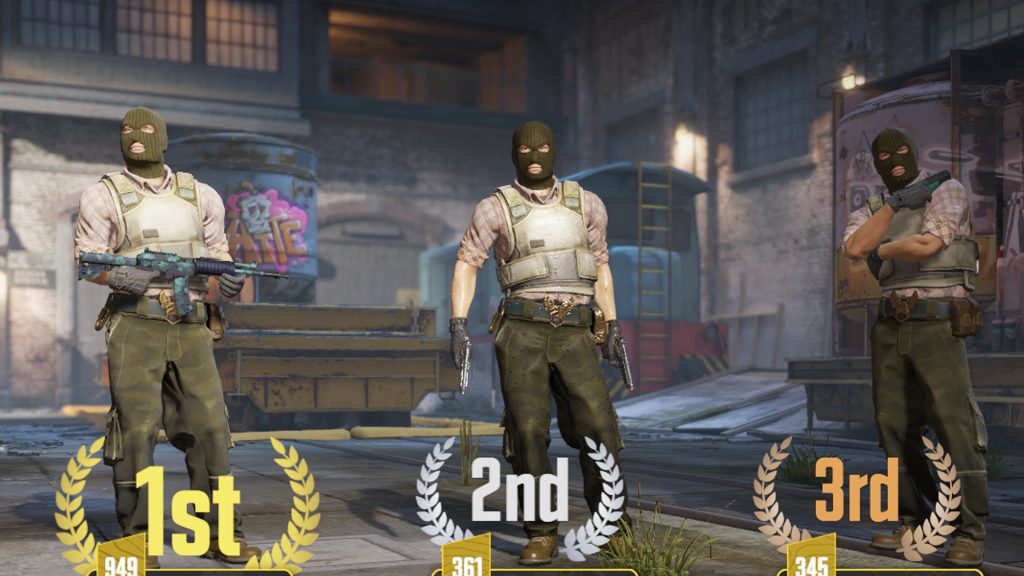
Essential Training Tools
Here’s how to structure efficient skill development sessions:
- Aim Trainers (KovaaK’s, Aim Lab): These specialized platforms develop crosshair precision, flick shot accuracy, and reaction speed through measurable metrics and progressive difficulty scaling.
- CS2 Deathmatch Servers: Ideal environments for warming up, mastering spray control mechanics, and adapting movement patterns under combat pressure.
- Community Maps: Utilize Aim Botz for target acquisition, Yprac series for prefire training, Recoil Master for pattern memorization, and specialized scenario maps targeting specific gameplay weaknesses.
Establish consistent daily practice routines. Even focused 30-minute sessions produce measurable skill advancement over time. Begin with warm-up exercises, progress to focused drilling, then transition to competitive matchmaking. The transformation in performance consistency will surprise you.
Category-Specific Drills
- Pistols: Train single-tap accuracy and quick-peek engagements using Aim Botz configurations.
- Rifles: Develop spray tracking consistency and controlled burst firing through Recoil Master workshops.
- SMGs: Practice close-quarters combat scenarios and aerial shot techniques within deathmatch environments.
- AWP/Scout: Master flick shot precision and angle holding techniques on sniper-focused training maps.
- Utility: Employ smoke and molotov practice maps to master site-specific lineups and deployment timing.
Avoid mindless repetition. Engage in purposeful practice methodologies. Systematically analyze death scenarios, extract learning from errors, and concentrate on fundamental mechanics refinement.
Professional CS2 competitors demonstrate distinct gameplay patterns that separate them from casual players. Their weapon selection philosophy, utility deployment strategies, and meta adaptation provide valuable learning frameworks for ambitious players.
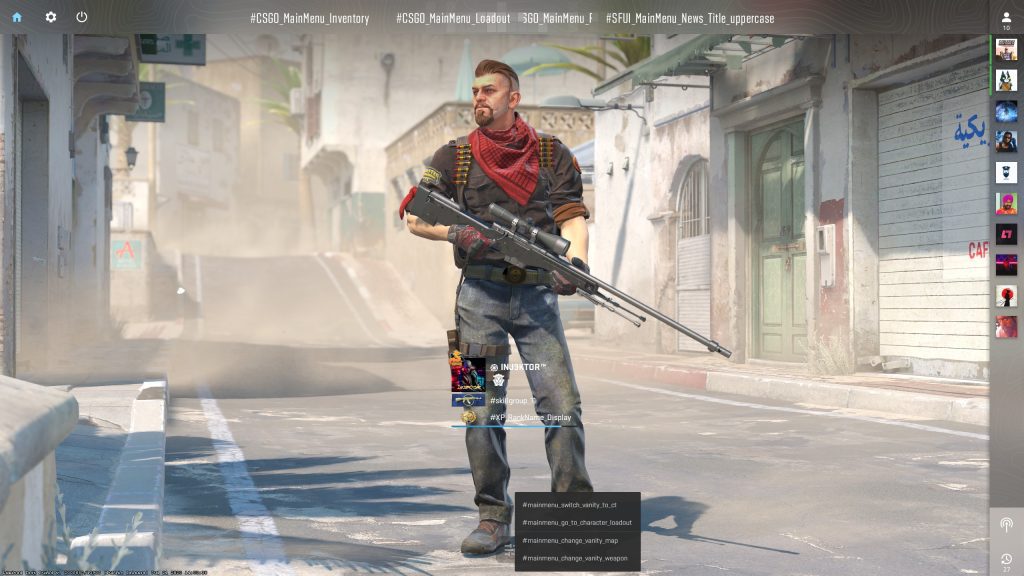
Loadout Recommendations for CT and T Side
Here are the most common and effective loadouts:
T-Side:
- Rifle Round: AK-47, Armor, 1x Flash, 1x Smoke
- Entry Frag Setup: MAC-10, Armor, 2x Flash, Molotov
- Sniper Role: AWP, P250 backup, Smoke, Flash
CT-Side:
- Rifle Round: M4A1-S or M4A4, Smoke, Flash, Molotov
- Support Role: FAMAS, Full Utility, Defuse Kit
- Anti-Eco: MP9, Armor, HE Grenade, Flash
Constructing loadouts aligned with specific roles (entry fragger, support player, lurker, sniper) enhances operational efficiency and team coordination.
Professional Weapon Choices
Elite players select armaments based on tactical requirements, team composition needs, and current meta balance considerations.
- AWP on CT: Critical for dominating extended sightlines and controlling map sectors.
Watch professional match recordings featuring players like s1mple, ZywOo, ropz, and NiKo to observe weapon selection in competitive contexts. The distinction emerges through nuanced execution—crosshair positioning, movement mechanics, peek timing optimization, and utility synchronization.
CS2’s economic layer functions as a strategic battlefield where financial decisions determine weapon access and competitive viability. Mastering round-by-round spending transforms random purchases into calculated investments with measurable returns.
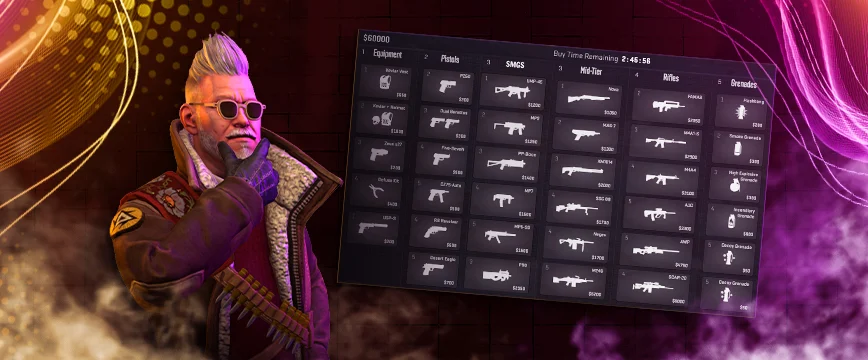
Round-by-Round Spending
Each CS2 round necessitates calculated financial decisions based on previous outcomes, team economic synchronization, and match score dynamics.
- Full Buy: Sufficient funds for primary rifle, protective armor, complete utility set, and potentially a defusal device. This represents the optimal combat scenario and most competitive engagement format.
- Eco Round: Minimal expenditure to preserve capital for subsequent full purchase rounds. These typically function as strategic conservation phases unless unexpected eliminations or bomb plants occur.
- Force Buy: Committing available resources to economical firearms (SMGs or pistols) supplemented by selective utility items. This represents a calculated risk—failure compounds economic disadvantage, while success dramatically shifts match momentum.
Economic management prioritizes long-term strategic planning. Teams demonstrating comprehension of eco versus force timing typically control match progression, particularly during closely contested encounters.
Value Assessment Framework
Strategic purchasing extends beyond simple acquisition—it emphasizes value creation. Did your $700 MAC-10 investment generate two eliminations? That’s profitable. Did your $4750 AWP acquisition fail to produce tactical impact? That’s wasteful, regardless of financial capacity.
Core economic principles:
- Kill reward: SMGs frequently provide enhanced elimination bonuses, making them excellent for economic building phases.
- Survivability: Preserving weaponry across rounds maintains economic stability.
- Efficiency: Selecting appropriate tools for specific tactical requirements.
If you’re repeatedly investing $4750 in AWPs without generating meaningful impact, your team’s competitive capacity diminishes. CS2 represents a game of resource optimization, not merely mechanical skill demonstration.
Action Checklist
- Complete 30-minute daily training sessions focusing on one weapon category at a time
- Practice spray patterns using Recoil Master map for rifles and SMGs
- Analyze death replays to identify positioning and aim errors
- Implement role-based loadouts in competitive matches
- Study professional match demos to understand meta adaptations
No reproduction without permission:Tsp Game Club » CS2 Weapon Basics: Pistols, Rifles, SMGs, and Utility Master CS2 weapons with advanced spray control, economic strategies, and pro-level practice routines