
TL;DR
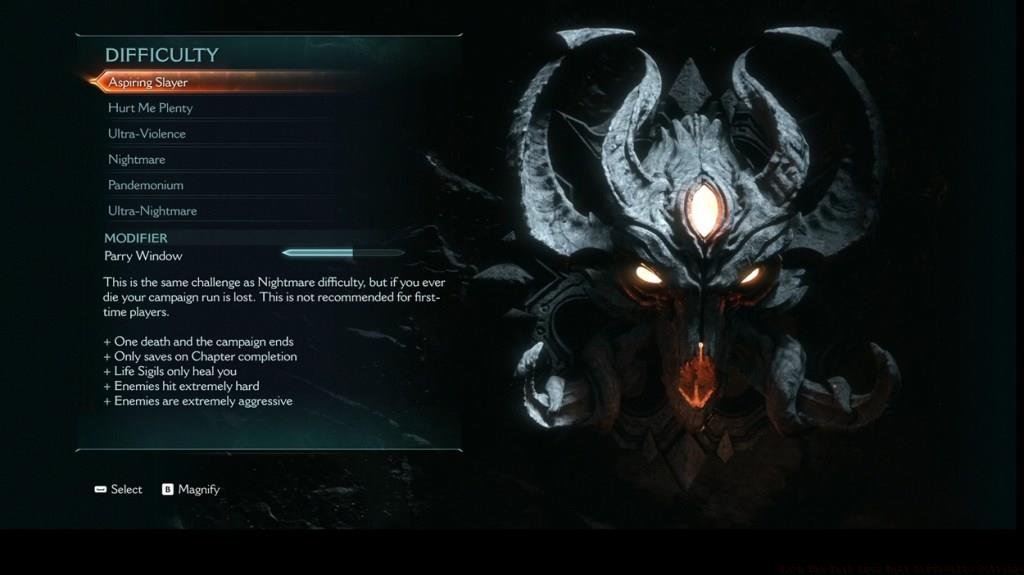
- Six base difficulty modes range from beginner-friendly Aspiring Slayer to punishing Ultra-Nightmare
- Advanced sliders provide granular control over parry timing, damage, and enemy behavior
- Combat assistance options reduce precision requirements for accessibility
- Life Sigils function differently in Pandemonium mode, requiring chapter restarts
- Ultra-Nightmare offers permadeath challenge for experienced players only
While Doom The Dark Ages presents players with relentless demonic threats, its sophisticated difficulty system ensures accessibility across all skill levels. The game’s approach to challenge customization represents a significant evolution in first-person shooter design, allowing unprecedented control over the combat experience. However, excessive modification can undermine the core tension that defines the Doom franchise’s signature gameplay loop.
Finding your ideal difficulty sweet spot requires understanding both the base modes and advanced customization options. This comprehensive guide provides strategic insights to help you select the perfect challenge level for your playstyle and skill progression.
Doom The Dark Ages features six distinct base difficulty presets that establish the foundation for your gameplay experience. These modes create carefully calibrated challenge tiers that affect multiple combat mechanics simultaneously.
- Aspiring Slayer: Designed for newcomers or players prioritizing narrative over challenge. This mode features automatic parry activation without timing requirements, significantly reduced damage intake, enhanced resource value for faster progression, and dramatically lowered enemy aggression. Perfect for learning game mechanics without constant frustration.
- Hurt Me Plenty: The balanced standard experience with moderately challenging parry windows, standard damage values, default resource economy, and average enemy aggression. This mode provides the intended balance of challenge and accessibility for most players.
- Ultra-Violence: Substantially increases challenge with tight parry timing requirements, elevated damage from enemies, and heightened aggression from demonic foes. Requires solid mechanical skills and game knowledge.
- Nightmare: Maintains the same demanding parry window as Ultra-Violence but escalates enemy damage to extreme levels and maximizes aggression. Enemies attack more frequently and relentlessly, testing player endurance.
- Pandemonium: Shares identical parry requirements and challenge intensity with Nightmare but introduces a critical mechanic change: Life Sigils now function as chapter restart tokens rather than instant revival items, dramatically increasing stakes for each encounter.
- Ultra-Nightmare: The ultimate test for veteran Slayers, featuring the same brutal combat parameters as Nightmare and Pandemonium but with permanent campaign failure upon death. Progress only saves upon chapter completion, creating extreme tension.
Beyond the preset difficulty modes, Doom The Dark Ages offers unprecedented granular control through eight customizable difficulty sliders. These allow players to fine-tune specific aspects of combat to create their ideal challenge profile.
The slider system includes: Parry Window timing adjustments, Player Damage intake modifiers, Demon Damage output scaling, Enemy Aggression frequency controls, Game Speed variations, Daze Duration on enemies, Enemy Projectile Speed adjustments, and Resource Value multipliers. This system enables players to address specific skill weaknesses while maintaining overall challenge.

Additionally, two combat assistance features provide accessibility options: Enhanced Targeting reduces precision requirements for aiming, while Empowered Attacks increase damage output against enemies. These options are particularly valuable for players with mobility limitations or those transitioning from other shooter genres.
Selecting the optimal difficulty requires honest self-assessment of your skills and goals. New players should begin with Aspiring Slayer to learn core mechanics without frustration, while series veterans might start at Hurt Me Plenty or Ultra-Violence depending on their confidence.
Avoid these common mistakes: Don’t over-customize sliders before understanding base mechanics; jumping directly to Nightmare without mastering parry timing; neglecting to adjust difficulty when stuck on specific encounters. The game allows difficulty changes at any time, so don’t hesitate to adjust based on your experience.
For progression recommendations: Complete your first playthrough on Hurt Me Plenty to experience balanced challenge, then attempt higher difficulties with specific goals. Ultra-Nightmare should only be attempted after mastering all game mechanics and enemy patterns.
Advanced players can create custom difficulty profiles by slightly increasing specific sliders rather than jumping entire difficulty tiers. For example, if parry timing is challenging but other mechanics are manageable, adjust only the Parry Window slider rather than lowering the entire difficulty preset.
Action Checklist
- Start with Aspiring Slayer if new to Doom or FPS games
- Complete initial chapters on chosen base difficulty before adjusting sliders
- Experiment with individual sliders to address specific challenges
- Enable combat assistance features if struggling with precision mechanics
- Attempt Pandemonium mode only after mastering Nightmare difficulty
- Practice specific enemy encounters on lower difficulties before Ultra-Nightmare attempts
No reproduction without permission:Tsp Game Club » Doom The Dark Ages Best Difficulty Settings Master Doom The Dark Ages difficulty settings with expert strategies for all player skill levels