
TL;DR
- Adaptation separates elite players from average competitors in CS2’s dynamic environment
- Recognizing enemy patterns through movement, economy, and utility usage is foundational
- Effective team communication and IGL leadership enable coordinated adaptation
- Personal role flexibility and tempo switching create unpredictability
- Post-match analysis and mental discipline sustain long-term improvement
Competitive Counter-Strike 2 (CS2) represents far more than mechanical skill execution—it’s a high-velocity intellectual battlefield demanding constant strategic recalibration. The capacity to modify approaches mid-round distinguishes competent squads from championship-caliber teams. Regardless of whether you’re navigating solo queue challenges or commanding a coordinated five-stack, mastering enemy strategy countermeasures becomes essential for consistent victory, rank advancement, and tournament success.
Let’s explore comprehensive methodologies for transforming into the strategic player who deciphers opposition tactics with precision—and neutralizes them with equivalent speed.
Why Flexibility Wins Games
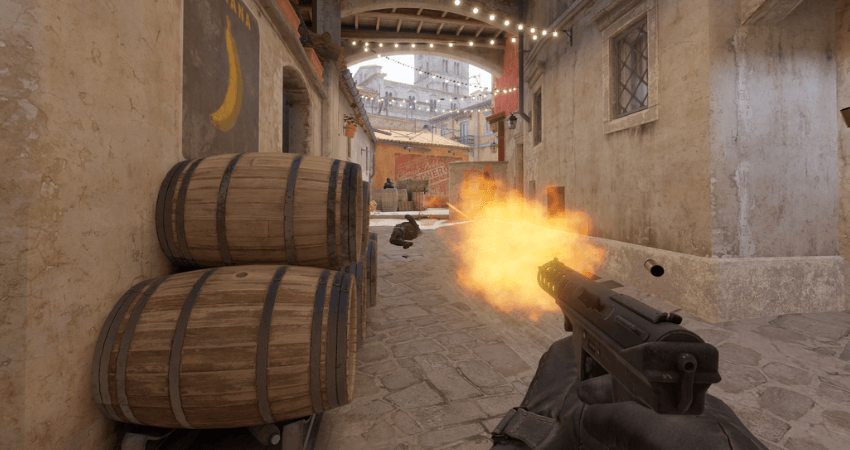
Adaptive capability transcends optional gameplay enhancement—it’s mandatory survival methodology. CS2’s round-by-round evolution demands continuous tactical modification as opponents consistently alter their approaches. Remaining entrenched within singular strategic dimensions inevitably allows adversaries to decode your patterns with script-like accuracy. This explains why adaptability consistently emerges among the distinguishing characteristics separating professional competitors from the amateur ranks.
Every tactical determination—from angle peeking precision to utility purchase selection—directly influences round outcomes. CS2 fundamentally rejects rigid playbook adherence in favor of dynamic, responsive engagement. Elite competitors identify behavioral sequences, implement counters, and dismantle enemy strategic frameworks during live gameplay.
Consider this scenario: opposition forces execute three consecutive B-site rushes. The catastrophic error involves ignoring this established pattern. Proactive, adaptive individuals or teams initiate earlier rotations, implement site stacking, or execute aggressive intelligence-gathering pushes. This methodology enables momentum redirection toward your advantage.
The Dangers of Predictable Play
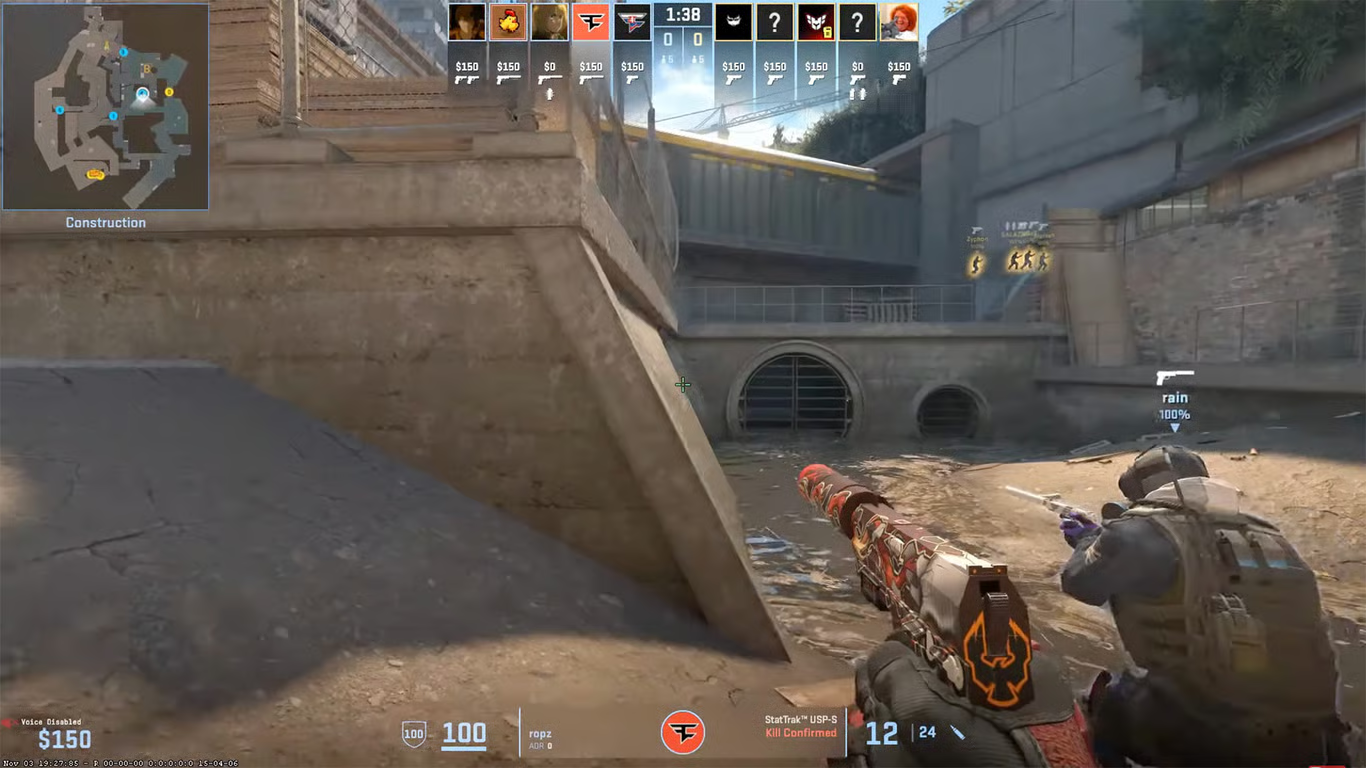
Static tactical approaches provide psychological comfort while creating strategic vulnerability. They permit opponents to collect uncontested intelligence and exploit identified weaknesses. Consistently utilizing identical angles, deploying routine smokes, or executing predictable rotations generates tactical transparency.
Predictability within CS2’s competitive ecosystem functions as virtual capital punishment. Organized squads will systematically pre-aim your positions, molotov your hiding locations, or establish crossfire traps. Strategic diversification becomes essential. Modify your defensive positions. Execute irregular rotations. Simulate aggression one round then implement tactical withdrawal subsequently. This strategic volatility generates cognitive uncertainty and operational hesitation within opposing teams.
Adaptive gameplay shouldn’t be confused with chaotic randomness—it signifies intelligent, calculated decision-making. The more extensively you train cerebral processing to anticipate subsequent moves, the more effectively you compel adversaries toward reactive rather than proactive gameplay.
Spotting Tactical Repetition
The foundational adaptation phase involves pattern recognition and identification. Most organized teams, particularly within matchmaking environments or lower competitive tiers, develop recognizable behavioral routines. Do they initiate B-site rushes during every pistol round? Do they consistently deploy CT-smoking strategies during A-site executions? Do they allocate solitary lurkers through mid every firearm round? These analytical questions require consideration within initial match phases.
Monitoring early-round positioning shifts, utility deployment patterns, and timing sequences provides substantial intelligence regarding subsequent actions. Maintain mental documentation or verbally communicate observations. For example, CT-side players hearing multiple B-apartment footsteps during pistol rounds should immediately communicate this intelligence. Subsequent pistol rounds enable site stacking implementations or enhanced crossfire configurations.
Tactical adaptation commences with observational acuity. Exceptional players function as perpetual match scholars—continuously analyzing and learning during real-time engagement.
Economic Intelligence Gathering
Enemy financial assessment proves equally critical as tactical recognition. If opponents maintained full purchase capability previous round and you secured victory, probability indicates force-buy or economic round scenarios. This modifies positioning strategies and engagement expectations. Economic rounds frequently indicate rush tactics, site stacking, or desperate territorial control attempts.
Consistently monitor:
- Casualty counts from preceding engagement
- Bomb planting completion status
- Weapon preservation from previous rounds
Movement behavioral patterns also reveal strategic insights. Do they perpetually divide mid-control between two operatives? Do they demonstrate early-match map-side preferences? These identifiable trends can be weaponized through counter-utility deployment, aggressive peeking, or strategic territorial advancement to capture unprepared opponents.
Earlier recognition of these operational details accelerates adjustment implementation that comprehensively disrupts enemy strategic planning.
Communication Protocols
Even possessing superior individual capabilities proves insignificant without team synchronization. CS2 operates as fundamentally collaborative, where adaptation achieves maximum effectiveness through unified execution.
Verbally identify enemy behavioral tendencies. Utilize communication phrasing such as:
- “They’ve executed dual A-rushes—implement triple stacking protocol.”
- “They’re establishing push-prevention formations—transition to passive positioning and utility conservation.”
- “Consistent mid-lurker deployment—execute early double-peek engagement.”
These micro-adjustments achieve maximum impact when complete team alignment exists. Never assume observational parity—communicate findings clearly and confidently.
Utilize voice communication or team text channels to convey intelligence and propose rapid modifications. Effective team coordination frequently determines the difference between site loss and complete execute neutralization.
IGL Leadership Dynamics
Within structured competitive environments or coordinated matches, the In-Game Leader constitutes the adaptive backbone. Their responsibility extends beyond basic strategy calling to encompass team approach modification based on enemy behavior. Exceptional IGLs identify effective strategies, recognize failures, and confidently implement tactical variations.
Functioning as IGL (including temporary assumption within solo queue scenarios), maintain continuous team updates. Modify engagement tempo, call rapid rotations, suggest deceptive executes, and respond to match flow dynamics.
Not every engagement unfolds according to predetermined plans. However, with appropriate leadership, your squad can improvise dynamically and outperform even the most rehearsed, systematic opponents.
Role Flexibility
Occasionally, countering enemy strategic approaches doesn’t necessitate complete team restructuring—it requires individual modification. If your standard AWP positioning proves ineffective, transition to rifle utilization and site anchoring. If entry fragging responsibilities result in early elimination, consider baiting tactics or secondary entry positioning for several rounds.
Maintaining versatility regarding role assignment and weapon selection disrupts enemy rhythmic patterns. This compels adversaries to reevaluate engagement methodologies. This strategic shift alone generates hesitation and creates opportunities.
Adaptive loadout modification also delivers significant strategic advantage. For example:
- Transition to SMG utilization during anti-economic rounds for enhanced mobility and financial gain.
- Purchase scout rifles when full AWP acquisition proves financially prohibitive but ranged engagement remains necessary.
- Select utility-intensive configurations when support responsibilities demand supplementary capabilities.
This approach prioritizes collective benefit over individual accomplishment—doing what optimally serves team interests during specific moments.
Temp Management
Specific rounds necessitate aggressive posturing. Others demand tactical restraint. The strategic challenge involves determining appropriate transition timing between these approaches.
If opponents employ slow-paced defaulting every round, aggressive territorial advancement can capture unprepared opponents and provide critical intelligence. Conversely, if adversaries demonstrate hyper-aggressive tendencies, strategic withdrawal permitting overextension followed by crossfire punishment may prove more intelligent.
Adaptation involves tempo interpretation and appropriate response. Avoid consistent stylistic repetition—maintain adversary uncertainty. One round, advance and dominate. Subsequent round, implement retake strategies and force opposition into predetermined traps.
Tempo variation confuses enemies and disrupts their rhythmic patterns—one of the most potent methodologies for establishing match control.
Grenade Interpretation
CS2 utility deployment transcends basic execution or defensive functionality—it represents tactical communication. Well-executed smoke deployment or flashbang utilization communicates comprehensive intelligence regarding enemy strategic intentions. Intelligent players don’t merely evade flashes or navigate through smokes; they interpret them as strategic indicators.
Document utility deployment timing within rounds. For instance, if Terrorist side consistently implements CT-smoking strategies on A-site within initial 15-second windows, this signifies substantial indicator of early execution strategies. If Counter-Terrorists consistently deploy molotovs to decelerate advances at identical locations every round, you can implement deceptive presence to bait utility expenditure.
Additionally, monitor grenade lineup positioning. Are adversaries deploying utility from deep Terrorist spawn positions? This typically indicates predetermined execution protocols. Are smokes landing without accompanying footstep audio? This potentially signifies deceptive maneuvers. Observe radar displays, maintain auditory awareness, and establish connections between utility utilization and enemy positioning.
Utility interpretation approximates adversarial mindset reading. Enhanced pattern deciphering capability simplifies counter-implementation.
Disruption Strategies
Adaptation extends beyond reactive measures to include strategic disruption. This represents the domain of counter-utility implementation. If you anticipate smoke deployment at your entry location, molotov identical territory to deny advancement. If you anticipate flashbang deployment through doorways, implement off-angle positioning or anti-flash strategies to capture unprepared entry players.
One of the most impactful adaptation forms involves enemy set-piece neutralization. Consider this scenario: opposition consistently molotovs Sandbags on B-site. Rather than maintaining standard positioning, relocate to proximate walls or implement boosted site positioning. Compel adversaries to waste utility while you reposition for punishment implementation.
Additionally, remember you can decelerate advances through precisely timed utility deployment. A strategically placed smoke during final 20-second windows can completely dismantle team strategic planning. If you’re operating CT-side and identify late-push indicators, singular smoke deployment can consume critical time and force Terrorist teams into panicked rush scenarios.
Competent squads achieve victory through strategic planning. Exceptional teams secure victory by causing enemy strategic frameworks to collapse.
Territorial Dominance
Territorial control extends beyond spatial acquisition—it encompasses intelligence gathering, presence establishment, and power projection. When you establish early-round territorial dominance, you accomplish dual objectives: denying adversary access to these regions while collecting vital intelligence regarding their configurations.
If you’re operating Terrorist side, advancing through mid or short corridors during initial phases provides substantial team flexibility. You compel Counter-Terrorist teams toward reactive posturing while granting your side pivoting flexibility between bomb sites. On CT operational scenarios, implementing aggressive ramp control on Mirage or advancing through banana on Inferno during early stages can significantly disrupt Terrorist default strategies.
However, adaptive territorial control关键在于执行不可预测性。您不希望每轮都推进香蕉道或占领连接点控制。混合策略。有时显示存在,有时保持沉默。有时采用双推配合工具,有时撤退并诱敌。
此处的适应涉及节奏。改变节拍,你的敌人就会失足。
Financial Strategy
经济管理类似于扑克——你需要了解对手的底牌,即使你看不到他们的牌。通过观察敌人的经济状况,你可以预测他们的购买行为并做出更明智的战略选择。
假设敌人刚刚连续输掉了三轮。他们可能没有步枪,除非他们强制购买。这是你利用步枪射程、进行远距离战斗并避免手枪近距离角度战斗的机会。
另一方面,如果他们赢了几轮但存活玩家较少,他们可能处于脆弱的购买状态。你可以用侵略性施压,预期较弱的武器或更少的工具。
围绕这一点调整你自己的购买也是明智的。如果你预期有经济回合的快速推进,也许不要投资AWP,或者储备工具以延迟你知道他们试图用SMG强制推进的重型推进。
资金流动的战术意识让你在火力和战略上都领先一步。
要深入了解武器系统和游戏机制,请参阅我们的BF6武器解锁指南,其中详细介绍了优化装备选择的先进策略。
Competitive play in Counter-Strike 2 (CS2) transcends mechanical skill—it’s a high-speed mental duel where adaptation determines victory. Whether you’re climbing ranked ladders or competing in tournaments, the ability to read and counter enemy strategies separates elite players from the average.
Adaptability isn’t merely beneficial in CS2—it’s essential for survival. The tactical landscape shifts with every round, forcing constant recalibration of your approach. Teams that cling to rigid playbooks inevitably become predictable targets for exploitation by adaptable opponents.
Every decision—from angle peeking to utility purchases—carries round-defining consequences. Elite competitors don’t follow predetermined scripts; they dynamically identify patterns, formulate counters, and dismantle enemy plans as situations evolve. Consider this scenario: if opponents execute three consecutive B-site rushes, ignoring this pattern guarantees defeat. Adaptive teams instead rotate early, stack defenses, or gather intelligence through calculated aggression, seizing momentum through intelligent response.
Why Mental Flexibility Wins Games
Static gameplay provides comfort at the cost of competitive viability. Predictable positioning, repetitive utility usage, and consistent rotation timing transform you into an easily exploitable target. Teams will pre-aim your locations, molotov your hideouts, and establish crossfires to eliminate threats efficiently.
Predictability in high-level CS2 essentially guarantees failure. Opponents will systematically dismantle your strategies once they identify your patterns. The solution requires intentional unpredictability: vary your angles, rotate unexpectedly, fake aggression then retreat. This calculated variance injects doubt and hesitation into enemy decision-making processes.
Strategic adaptation differs from random chaos—it’s about intelligent anticipation. Training your mind to think one step ahead forces opponents into reactive rather than proactive gameplay.
The foundation of effective adaptation lies in pattern recognition during the match’s opening phases. Most squads, particularly in ranked environments, develop recognizable tactical routines that skilled players can identify and exploit.
Observe early-round movements, grenade deployments, and timing patterns—these provide crucial intelligence about impending strategies. Maintain mental notes and communicate observations clearly with teammates. For instance, detecting multiple B-apartment footsteps during pistol rounds enables strategic stacking or crossfire preparation in subsequent encounters.
Reading Utility Language
Grenades in CS2 communicate more than area denial—they reveal enemy intentions. Strategic players interpret smokes and flashes as tactical clues rather than simple obstacles to overcome.
Monitor timing and frequency of utility deployment throughout rounds. For example, consistent CT-smoke placements within 15 seconds on A-site strongly indicates early executes. When CTs repeatedly deploy molotovs at identical choke points, bait them with feigned presence to deplete their resources.
Additionally, analyze grenade trajectory origins. Are enemies launching projectiles from deep T-spawn positions? This typically signals coordinated executes. Do smokes land without accompanying footstep audio? This likely indicates deception plays. Monitor radar displays, auditory cues, and connect utility usage with enemy positioning intelligence.
Utility interpretation approaches mind-reading capabilities. As your pattern recognition improves, counter-strategy execution becomes increasingly effective and efficient.
Economic Warfare Principles
Economic intelligence proves equally vital as tactical observation. When opponents lose multiple consecutive rounds, they’ll likely force-buy or eco, fundamentally altering engagement dynamics and positional requirements.
Consistently monitor these critical economic indicators:
- Casualty counts from previous engagements
- Bomb plant success or failure
- Weapon preservation from prior rounds
Movement habits also provide valuable intelligence. Do teams consistently split mid with dual players? Do they prioritize specific map sectors during early phases? These behavioral patterns become vulnerabilities when countered with strategic utility, calculated peeks, or well-timed map control assertions.
Early detection of these tactical signatures enables adjustments that completely dismantle enemy game plans.
Tempo Control Mastery
Strategic adaptation involves reading match rhythm and responding intelligently. Avoid repetitive playstyles—maintain enemy uncertainty through strategic variation. Alternate between aggressive domination and patient retake execution to keep opponents off-balance.
Rhythm disruption confuses enemies and fractures their tactical flow—among the most potent methods for seizing match control.
Adaptation extends beyond reaction—it encompasses active disruption through counter-utility tactics. When anticipating smoke placements at entry points, deploy molotovs to deny advancement. Expecting flash deployments through doorways? Utilize off-angles or anti-flash positioning to surprise entry players.
One particularly devastating adaptation form involves dismantling enemy set plays. Suppose opponents consistently molotov Sandbags on B-site. Rather than occupying predictable positions, reposition to close walls or elevated site positions. Force utility wastage while establishing punishing counter-positions.
Additionally, leverage well-timed utility to delay enemy advances. Final-minute smokes can completely瓦解 team strategies. On CT-side, reading late-push intentions enables single-smoke deployments that burn crucial time, forcing T-side into desperate rushed executions.
Excellent teams secure victories through planning. Extraordinary teams triumph by rendering enemy strategies completely ineffective.
Map Control Psychology
Territorial dominance extends beyond space acquisition—it encompasses intelligence gathering, tactical presence, and positional authority. Early-round map control achieves dual objectives: denying enemy access and collecting vital setup intelligence.
As T-side, early mid or short control provides tremendous strategic flexibility, forcing CTs into reactive postures while enabling bombsite pivoting freedom. Defensively, aggressive ramp control on Mirage or early banana pushes on Inferno significantly disrupt T-side default formations.
However, successful map control adaptation requires unpredictability. Avoid repetitive banana pushes or connector control every round. Implement strategic variation: demonstrate presence then silence, dual-push with utility then retreat and bait.
Adaptation in this context revolves around rhythmic variation. Alter the tactical tempo, and watch opponents falter under the pressure.
Flanking and Unexpected Angles
Among the most lethal adaptation forms involves creative flanking maneuvers. When enemies execute set plays or defaults that neglect map sectors, capitalize on these vulnerabilities.
Consider timing carefully. When three Ts execute A-site from ramp and palace with neglected mid or B coverage, exploit these gaps through connector flanks or catwalk advancements. These off-rhythm flanking strategies can single-handedly决定 rounds, secure elimination advantages, or clinch match victories.
However, avoid excessive repetition. Consistent flanking prompts enemy anticipation and counter-measures. Success hinges on balance and unpredictability.
Sometimes even minimal map pressure—like mid peeks after detecting rotations—can surprise teams unexpectedly. Force second-guessing of map control decisions, and witness slowed pacing, premature utility expenditure, and tactical errors. This demonstrates the power of adaptive positioning mastery.
Economic Adaptation Strategies
Financial management resembles poker strategy—you must deduce opponent holdings without visual confirmation. Through economic observation, predict enemy purchases and formulate intelligent strategic responses.
Consider this scenario: opponents lose three consecutive rounds. They’ll likely lack rifle capabilities unless force-buying. This creates opportunities to leverage range advantages with rifles, engage in extended-distance firefights, and avoid close-quarters engagements where pistols excel.
Conversely, if they secure victories but suffer heavy casualties, they might field fragile economic buys. Apply pressure through aggression, anticipating inferior weaponry or reduced utility availability.
Additionally, adapt personal economic decisions accordingly. Perhaps avoid AWP investments during anticipated eco rushes. Alternatively, stockpile utility to delay aggressive pushes when expecting SMG force-buys.
Economic flow awareness enables strategic anticipation—not merely firepower superiority but comprehensive tactical advantage.
Continuous Improvement Framework
One frequently overlooked CS2 resource involves demo analysis capabilities. Reviewing personal matches—or opponent gameplay—reveals valuable insights easily missed during live competition.
Suffered defeat in winnable matches? Extract the recording and analyze failure points. Did your team consistently suffer flanking attacks? Were executes excessively predictable? Was utility deployment inefficient?
The same principle applies to victories. Review successful performances and identify effective strategies. Which tactical approaches succeeded? Which rotations proved optimal? Which fake executes successfully deceived opponents? Reinforce these successful patterns within your tactical repertoire.
Adaptation extends beyond in-the-moment decisions—it encompasses post-match analysis. Learning from personal habits and errors enhances preparedness for future encounters.
Post-Match Analysis Techniques
Scouting opponents, particularly in competitive environments, provides adaptation advantages before matches commence. Identify these tactical signatures:
- Repetitive tactical setups or execution patterns
- Defensive rotation weaknesses or coverage gaps
- Overdependence on specific player contributions
Once identifying these tendencies, develop specific counter-strategies for exploitation. If teams consistently double-stack B with delayed rotations, execute fast A-site assaults. If their AWPers consistently peek mid unsupported, establish bait scenarios for punishment.
Opponent reconnaissance delivers competitive edges before rounds begin. In CS2, preparation constitutes half the victory equation.
Success in Counter-Strike 2 requires more than mechanical skill—it demands psychological resilience and cognitive flexibility. The most successful players treat each round as an independent puzzle requiring fresh analysis rather than falling into predictable routines.
Mental Flexibility Fundamentals
Adaptation begins with your mental framework. Players trapped in frustration or tunnel vision lose the capacity to accurately assess match dynamics. Mental flexibility—the ability to remain composed under pressure, process complex information rapidly, and implement adjustments seamlessly—represents a critical skillset distinguishing elite competitors.
When momentum shifts against you, emotional reactions often lead to autopilot play—the exact moment you need to consciously slow your pace, regulate breathing, and engage analytical thinking. Ask yourself: Are opponents winning through superior aim or smarter positioning? Are losses stemming from poor calls or repetitive team patterns?
True mental adaptability means maintaining openness to strategic changes without ego interference. Even as top fragger, if your entry approach gets consistently countered, transitioning to lurking or support roles demonstrates tactical maturity.
Overcoming Tilt and Frustration
Tilt represents adaptation’s greatest enemy. Once emotional control deteriorates, critical thinking shuts down. Players begin making reckless pushes, ignoring team communication, and basing decisions on frustration rather than logic—this is how matches spiral out of control.
To preserve tactical mindset, implement structured mental resets between rounds. Following difficult rounds, consciously remind yourself that single rounds don’t define match outcomes. When teammates miss crucial shots or make questionable calls, redirect focus toward collective adjustment strategies rather than blame assignment.
A genuinely tactical approach means perpetually seeking solutions rather than excuses. Consistently ask: “What strategies are working for them? Which approaches are failing for us? What specific adjustments can I implement?” These questions maintain cognitive engagement and readiness for rapid strategic shifts.
Ultimately, mental discipline proves equally vital as mechanical proficiency in CS2. Victory doesn’t require flawless aim—only the capacity to adapt more rapidly than your opposition.
The foundation of effective adaptation lies in early pattern detection. Most teams, particularly in matchmaking environments, develop recognizable routines within initial rounds. Do they consistently rush B during pistol rounds? Do they always smoke specific CT positions during A executes? Do they deploy consistent mid lurkers during gun rounds? These critical questions require answers within the match’s opening stages.
Enemy Tendency Analysis
Observing early-round movements, utility deployment timing, and rotational patterns provides substantial intelligence about forthcoming enemy actions. Maintain mental notes or communicate observations verbally. For example, if playing CT side and detecting multiple B apartment footsteps during pistol round, communicate this immediately. Subsequent pistol rounds enable site stacking or improved crossfire configurations.
Tactical adaptation commences with observation. Elite players function as perpetual students of each match—constantly observing and learning during live gameplay.
Economic and Movement Pattern Reading
Reading opponent economy proves equally crucial as tactical pattern spotting. If enemies had full purchase previous round and you secured victory, probabilities favor force buy or economic rounds. This knowledge alters positioning decisions and expectation frameworks. Economic rounds frequently involve rushes, site stacks, or desperate map control attempts.
Consistently monitor:
- Casualty counts from preceding round
- Whether bomb deployment occurred
- If any weapons were preserved
Movement patterns also reveal critical intelligence. Do they consistently split mid with dual players? Do they favor particular map sectors during early phases? These identifiable trends become exploitable through counter-utility, aggressive peeking, or tactical pushes to intercept unexpectedly.
The sooner these tactical signatures get recognized, the faster you can implement adjustments that completely dismantle enemy strategic frameworks.
Even possessing superior individual game intelligence means little without effective team synchronization. CS2 remains fundamentally team-oriented, and adaptation achieves maximum effectiveness when all members coordinate collaboratively.
Information Sharing Protocols
Verbally identify opponent tendencies. Communicate observations like:
- “They’ve executed A rushes twice consecutively—let’s implement triple stack defense.”
- “They’re currently holding for pushes—adopt passive positioning and conserve utility.”
- “Consistent mid lurker every round—let’s coordinate early double peek.”
These micro-adjustments gain tremendous power when the entire team aligns strategically. Never assume teammates observe identical patterns—share findings clearly and confidently.
Utilize voice communication or team text chat to convey observations and propose rapid adjustments. A well-executed team call can differentiate between site loss and complete execute shutdown.
IGL Role in Dynamic Adaptation
Within coordinated play or competitive environments, the In-Game Leader serves as adaptation’s backbone. Their responsibility extends beyond initial strategy calls—it encompasses adjusting team approach based on opponent behavior. Exceptional IGLs recognize effective strategies, identify failing approaches, and demonstrate willingness to implement changes.
As IGL (or when assuming that role in solo queue), maintain team awareness. Alter tempo, call rapid rotations, suggest fake executes, and respond to match flow dynamics.
Not every match follows predetermined plans. However, with competent leadership, teams can improvise dynamically and outperform even highly rehearsed, rigid squads.
Team training sessions should transcend execute perfection—they must incorporate scenario-based exercises replicating authentic match conditions. Seeking enhanced team adaptability? Initiate unstructured practice matches where unexpected scenarios occur, with the objective being real-time adjustment.
Scenario-Based Training
For instance:
- Conduct practice sessions requiring site retakes with restricted utility.
- Train 4v5 situations where one member begins rounds “eliminated.”
- Establish fake executes and train teams to interpret rotation patterns.
These training exercises compel players to make decisions under real-time pressure. This environment builds genuine adaptation—not through smoke lineup memorization, but through gamesense development during high-stress situations.
Integrate these controlled chaos drills into weekly practice routines, and you’ll develop squads that don’t merely follow strategies—but comprehend how to adjust when scenarios deviate from script.
Role Flexibility Development
Static roles frequently generate predictable behaviors. Introduce variation during practice. Allow your lurker to execute entries temporarily. Have your AWPer perform anchor duties. This methodology teaches every participant to understand multiple perspectives and make determinations even when operating outside comfort parameters.
Rapid decision-making represents another cognitive muscle requiring development. Execute fast-paced exercises where teams must decide between commitment or rotation within 10-second windows. This replicates the rapid cognitive processing necessary during clutch scenarios or chaotic engagements.
Teams practicing adaptability drills don’t collapse when primary plans fail—they generate contingency strategies and execute them decisively.
Once you detect these tactical signatures, you can construct specific counter-strategies to capitalize on them. If opponents consistently double stack B but rotate belatedly, execute rapid A assaults. If their primary AWPer consistently peeks mid without adequate support, establish bait scenarios and punish accordingly.
Opponent reconnaissance provides competitive advantage before matches commence. Within CS2’s competitive landscape, preparation constitutes half the conflict.
Utility Counter-Strategies
Adaptation extends beyond reaction—it encompasses disruption. This represents counter-utility’s domain. If anticipating smoke deployment at your entry location, deploy molotovs to deny advancement. If expecting flash deployment through doorways, utilize off-angle positioning or anti-flash techniques to intercept entry players unprepared.
Among adaptation’s most potent forms lies dismantling enemy set executions. Suppose opposition consistently molotovs Sandbags on B site. Instead of occupying that position, utilize close wall positioning or elevation boosts. Force utility wastage while repositioning to capitalize.
Additionally, remember you can delay enemy pushes through precisely timed utility deployment. A strategically placed smoke with twenty seconds remaining can completely derail opponent planning and compel desperate rush scenarios.
Exceptional teams secure victories through strategic planning. Extraordinary teams triumph by causing enemy strategic frameworks to collapse entirely.
Map Control Adaptation
Map control transcends territorial acquisition—it concerns intelligence gathering, positional presence, and tactical influence. When securing early-round map control, you accomplish two critical objectives: denying enemy access to those areas and collecting vital intelligence regarding their configurations.
If operating on T side, advancing through mid or short corridors early provides substantial team flexibility. You compel CT sides into reactive postures while granting your team freedom to pivot between bomb sites. On CT side, executing aggressive ramp control on Mirage or pushing banana on Inferno during early phases can severely disrupt T-side default patterns.
However, adaptive map control’s essence lies in unpredictability. Avoid consistent banana pushes or connector control every round. Introduce variation. Sometimes demonstrate presence, sometimes maintain silence. Sometimes execute double-pushes with utility, sometimes withdraw and bait.
Adaptation within this context involves rhythm manipulation. Alter the tactical tempo, and your opponents will falter strategically.
Among CS2’s most underutilized resources resides the demo analysis system. Reviewing your own matches—or studying opponent gameplay—can reveal substantial strategic insights missed during live competition.
Demo Review Techniques
Lost a match you should have secured? Access the recording and analyze failure points. Was your team consistently getting flanked? Were your executes excessively predictable? Did you deploy utility inefficiently?
The identical principle applies to victories. Re-watch successful matches and identify effective strategies. Which rotations proved optimal? Which fake executes deceived the opposition? Reinforce those successful patterns within your strategic playbook.
Adaptation transcends in-the-moment adjustments—it includes post-match evaluation. Learning from personal habits and errors enhances preparedness for subsequent opponents.
Continuous Learning Framework
Studying opponent demos, particularly within competitive leagues or practice sessions, provides adaptation head starts. Identify:
- Repetitive configurations or executes
- Deficient rotations or coverage gaps
- Excessive dependence on specific players
Once you detect these tactical signatures, you can construct specific counter-strategies to capitalize on them. If opponents consistently double stack B but rotate belatedly, execute rapid A assaults. If their primary AWPer consistently peeks mid without adequate support, establish bait scenarios and punish accordingly.
Opponent reconnaissance provides competitive advantage before matches commence. Within CS2’s competitive landscape, preparation constitutes half the conflict.
Looking to enhance your tactical knowledge further? Our comprehensive Complete Guide provides comprehensive strategic frameworks applicable across competitive shooters.
Countering Enemy Executes with Pre-emptive Utility
Transforming utility from reactive tools to proactive weapons requires understanding enemy behavioral patterns. Instead of simply responding to attacks, anticipate their strategies by monitoring how they use grenades in early rounds. When opponents repeatedly execute smoke-heavy A-site attacks, deploy molotovs at their entry points before the execute develops. This forces them to either push through damage or waste valuable time re-adjusting their approach.
Consider this scenario: if the enemy consistently uses AWPs to lock down mid-control, coordinate double-flash combinations from unexpected angles to displace their positioning. The psychological impact of having your primary strategies consistently countered often creates hesitation and second-guessing in subsequent rounds.
Critical Adaptation Principle: The most effective utility usage occurs 10-15 seconds before enemy executes reach their peak. Early molotov deployment on Banana (Inferno) when hearing rushing footsteps can force enemies into your crosshair placement or delay their push significantly.
Breaking Common Holds with Intelligent Utility Combinations
Certain defensive formations persist because they’re fundamentally sound. However, once identified, these setups become vulnerable to coordinated utility assaults. When facing double-pit holds on Inferno’s A-site, deploy a molotov to clear one position while using a pop-flash to displace the other. Against triple-stack Mirage B-site defenses, execute wall-bang flashes combined with bench-smokes to create safe entry paths.
Pre-emptive grenade deployment can significantly weaken anchored defenders before engagements begin. Double-flash sequences can bypass even sophisticated anti-flash setups when thrown from unconventional positions. Utility combinations—like molotov followed immediately by HE grenade—can eliminate opponents before visual contact occurs.
Common Mistake to Avoid: Many players waste utility by throwing grenades at positions rather than timing them to disrupt enemy rhythm.
Strategic utility application separates competent players from game-changers. Average competitors deploy grenades reactively, while elite players force opponents to question their entire strategic foundation through calculated disruption.
Coach’s Strategic Role in Real-time Adaptation
At competitive CS2 levels, coaching transcends basic motivation to become a strategic force multiplier. Coaches observe match flow from comprehensive third-person perspectives, providing insights unavailable to in-game participants. They systematically track enemy behavioral patterns, identify rotation timing tells, and facilitate mid-round tactical adjustments during timeout periods.
A skilled coach identifies when opponents are site-stacking, employing passive defaults, or baiting utility usage. This information enables in-game leaders to implement strategic pivots that exploit emerging vulnerabilities.
Regular coaching collaboration enhances collective analytical capabilities across your entire team structure. Coaches also develop customized anti-strategies based on opponent demo analysis and historical tendency tracking.
Pro Tip: Even without dedicated coaching staff, having an external observer review your match recordings can reveal strategic blindspots and adaptation opportunities.
Post-Match Review Framework for Continuous Improvement
Match analysis sessions represent invaluable adaptation development opportunities. Regardless of match outcome, consistently conduct team reviews focusing on these critical questions:
- Which situations exposed our adaptation limitations most severely?
- Did we unconsciously repeat identifiable behavioral patterns?
- What specific vulnerabilities did opponents exploit, and how can we neutralize them?
Systematically record your competitive matches, then analyze pivotal moments frame-by-frame. Identify where improved rotation timing or optimized utility deployment could have reversed round outcomes. Review matches from enemy perspectives to understand how they decoded your strategic approach.
This structured analytical approach cultivates shared strategic awareness. Over multiple review cycles, your team will naturally develop enhanced adaptive thinking capabilities during both live matches and practice sessions.
Real-time Pattern Recognition and Counter-Development
Adaptation in competitive CS2 represents a fundamental requirement rather than optional enhancement. Each match unfolds as a dynamically evolving battlefield where static approaches and predictable strategies receive immediate punishment. Enhanced flexibility, observational acuity, and communication clarity directly correlate with match victory frequency—transcending mere mechanical aiming proficiency.
From decoding enemy economic patterns and tactical behaviors to adjusting personal playstyles mid-round, adaptation constitutes an ongoing evolutionary process.
Advanced Technique: Master tempo manipulation by alternating between aggressive and passive playstyles. This rhythmic disruption confuses opponents and fractures their strategic cohesion.
The transformation from capable players to strategic dominators occurs through systematic adaptation. Teams elevate from “competent” to “commanding” by embracing strategic flexibility.
Strategic adaptation encompasses everything from monitoring enemy utility deployment timing to implementing coordinated flanking maneuvers. The players and teams demonstrating fastest adaptation capabilities consistently achieve longest competitive success.
Common Pitfall: Many teams fail to establish clear adaptation protocols, resulting in chaotic, uncoordinated responses to enemy strategy shifts.
Embrace calculated strategic experimentation. Execute unexpected plays when opponents demonstrate pattern reliance. Deploy strategic curveballs during critical match moments to disrupt enemy momentum and confidence.
Action Checklist
- Document enemy behavioral patterns during first 5 rounds including utility timing, movement routes, and economic patterns
- Implement strategic role rotation with teammates during practice sessions
- Develop 3 counter-utility strategies for common enemy executes
- Practice tempo switching between aggressive pushes and passive retakes in custom games
- Review match demos to identify 2 predictable habits needing correction
- Coordinate team communication protocols for rapid adaptation calls
- Identify at least 2 enemy utility patterns within first 6 rounds and communicate to team
- Practice tempo switching between 3 different playstyles each match
- Analyze one demo per week focusing specifically on adaptation opportunities missed
- Implement one unexpected flank or map control variation per match
- Track enemy economy for 3 consecutive matches to improve prediction accuracy
- Establish pattern recognition framework within first 3 rounds
- Implement structured mental reset protocols between rounds
- Conduct weekly chaos drills with role-swapping exercises
- Develop utility counter-strategies based on opponent deployment patterns
- Review match recordings to identify adaptation failure points
- Master economic reading to predict opponent buy rounds
- Analyze enemy utility timing patterns within first 6 rounds
- Develop 3 counter-utility strategies for common executes
- Implement structured post-match reviews focusing on adaptation gaps
- Establish coaching feedback integration system for strategic adjustments
No reproduction without permission:Tsp Game Club » How to Adapt to Enemy Strategies in CS2