
TL;DR
- Track enemy money through scoreboard data, weapon sounds, and utility usage patterns
- Recognize full buy, force buy, and eco rounds through distinct audio-visual indicators
- Coordinate team economy tracking with specific roles and communication protocols
- Apply economic pressure by exploiting weak buy rounds and forcing expensive rebuys
- Use demo reviews to identify economic patterns and improve your prediction accuracy
While sharpshooting skills are essential for Counter-Strike 2 success, true competitive dominance emerges from mastering the game’s financial warfare. The most overlooked yet game-changing element in high-level CS2 play involves systematically analyzing and anticipating your opponent’s economic decisions. Every tactical choice they make—from weapon selections to site execution timing—stems directly from their available funds.
Consider CS2’s economic system as the strategic backbone controlling every engagement. Each round result directly influences player purchasing power, which determines available firearms, protective gear, and tactical equipment. When you can accurately forecast whether adversaries will execute full purchases, emergency force buys, or economic saves, you gain the tactical advantage to counter with superior positioning, optimized weapon choices, and calculated aggression levels.
Developing economic awareness provides you with a cognitive roadmap of expected enemy actions. This foresight distinguishes between falling victim to unexpected pistol eliminations and maintaining proper defensive postures during predicted save rounds. If you’ve ever wondered how elite teams consistently maintain positional superiority, they’re not merely reacting to map control—they’re interpreting economic data with analytical precision.
Key Changes from CS:GO to CS2 Economy
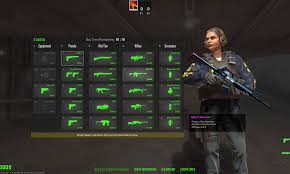
CS2 evolves the economic framework established in CS:GO while introducing nuanced adjustments that elevate economic analysis importance. Although the fundamental monetary structure remains consistent, interface enhancements, refined auditory feedback, and improved statistical visibility provide richer mid-match intelligence gathering opportunities.
The refined purchasing interface in CS2 enables quicker assessment of teammate and opponent acquisitions based on timing and round progression. Additionally, CS2’s upgraded audio engine ensures clearer weapon reload sounds, footstep patterns, and tactical equipment usage—each auditory cue revealing additional information about enemy financial status.
CS:GO participants frequently depended on visual indicators and game intuition. CS2 places greater emphasis on integrating these skills with real-time data from the enhanced user interface. This accessibility allows novice players to comprehend economic patterns sooner, while experienced competitors refine their assessments to near-surgical accuracy.
In essence, while the core economic mechanics haven’t undergone radical transformation, your interaction methodology and interpretation approach in CS2 becomes more dynamic and information-dense—making economic mastery increasingly critical for competitive success.
Understanding the Economy Basics

Money Distribution per Round Outcome
Let’s establish foundational understanding—CS2’s monetary system operates with deliberate precision, not random distribution. This carefully calibrated framework rewards specific actions while penalizing others. Comprehending post-round financial flow represents your initial step toward enemy economic analysis.
Here’s a comprehensive breakdown of player earnings based on match outcomes:
- Round Win (Non-Pistol): $3250 base compensation
- Bomb Plant (Terrorists): $800 (regardless of round result)
- Bomb Defuse: Counter-Terrorists receive $3500
- Round Loss Streak: Begins at $1400 and escalates to $3400 maximum
- Pistol Round Win: Typically generates $800–$1000, dependent on elimination counts
Supplement these figures with individual elimination rewards:
- Knife Kill: $1500 high-risk reward
- SMG Kill (including MP9, UMP): $600 per elimination
- Rifle Kill (AK-47, M4A1-S): $300 standard compensation
- AWP Kill: $100 minimal reward reflecting weapon power
Consider this scenario: if the opposing squad has suffered three consecutive round defeats, they qualify for loss bonus payments of $2400. Without successful explosive device placement or significant elimination numbers, they’ll likely need to execute complete economic preservation or emergency purchasing. This signals your opportunity to adjust tactical approaches accordingly.
Many competitors neglect these systematic mechanics—but elite performers consistently monitor them. This strategic awareness enables accurate predictions regarding subsequent round economic strategies versus fully-equipped opposition.
Mastering these fundamental economic principles enables forecasting future purchasing patterns and implementing calculated risk management decisions. Similar to high-stakes poker, understanding probability calculations and table positions provides significant competitive advantages.
Tracking Enemy Spending Patterns
Weapon and Utility Tracking
Economic analysis doesn’t require accessing opponent financial records—it involves recognizing the tactical evidence they inevitably leave behind. Among the most revealing indicators? Their selected armaments and tactical equipment carried into engagements.
When adversaries unexpectedly acquire submachine guns following round victories, they might be preparing for bonus round strategies. This indicates they anticipate securing subsequent rounds without risking premium rifle investments. Alternatively, if you observe multiple players skipping head protection purchases, this could indicate financial limitations—or strategic preservation for future high-value weapon acquisitions.
Maintain vigilant observation of explosive equipment deployment patterns. If opponents reduce smoke grenade, incendiary, or flashbang usage compared to previous patterns, they’re likely operating under budget constraints. A team that typically deploys three smoke screens per push then suddenly uses only one? That represents a tactical warning signal. Capitalize on it.
Practical implementation recommendation: designate one squad member (typically the strategic leader or support player) to document enemy weaponry and equipment selections. Following round conclusions, rapidly debrief regarding opponent loadout compositions. Through consistent practice, you’ll develop predictive behavioral patterns enabling smarter tactical decision-making.
How to Use the Scoreboard for Economic Clues
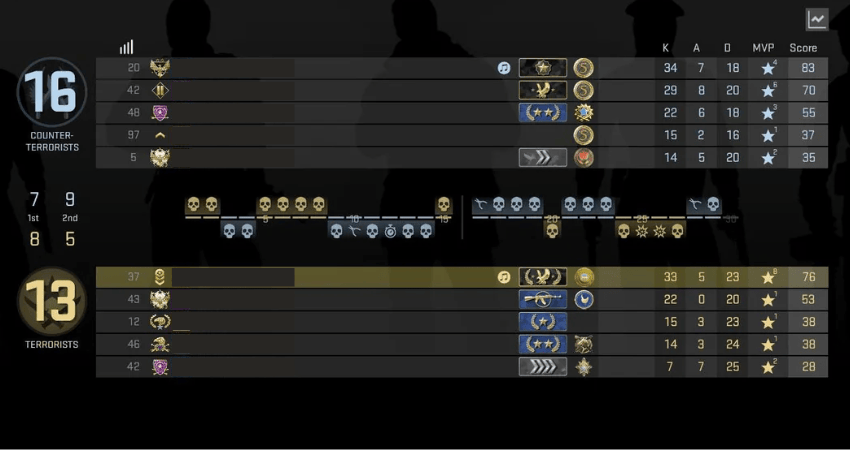
What the Scoreboard Tells You
The CS2 statistical display functions as your silent strategic advisor. It provides more than elimination statistics, assists, and fatalities—it operates as a live financial performance assessment. Proper interpretation methodology can provide competitive advantages before engagement initiation.
Critical observation elements include:
- Money Columns: When you detect opponent team financial levels falling below $2000 collectively, anticipate economic preservation rounds. If several players maintain $3500–$4500 balances, they might execute emergency purchases or weapon sharing.
- Deaths & Kills: High-elimination performers typically possess additional funds from frag bonuses and round MVP awards. If they’ve suffered multiple consecutive round fatalities, they’ve likely exhausted those resources.
- Round Win Bonuses: Following three successive round victories, adversaries likely qualify for maximum loss compensation. Combine this intelligence with displayed financial data, and you’ll determine whether they’re preserving for complete purchases or preparing to gamble with sidearms.
- Team Equipment Value (during buy time): Reflects total investment commitment. Minimal values indicate pistol rounds or emergency buys. Elevated values signal full equipment acquisitions with comprehensive tactical gear.
Avoid superficial scoreboard examination—analyze it methodically. It narrates the story of upcoming tactical developments.
Recognizing Buy Rounds
Full Buy vs Force Buy
Comprehending the distinction between full buy and force buy scenarios represents the cornerstone of effective opponent counter-strategies. A complete purchase occurs when the opposing force possesses sufficient capital to acquire primary rifles (including AK-47 or M4A1-S), complete armor protection (with helmet), and their preferred tactical equipment—smoke grenades, flashbangs, incendiary devices, and defusal equipment (for Counter-Terrorist forces). When you observe consistent full equipment compositions, you’re confronting comprehensive purchase rounds. This signals appropriate timing for implementing more structured and cautious tactical approaches.
A force buy, conversely, describes situations where opponents expend their entire—or nearly entire—financial resources despite inability to afford optimal weapons and equipment. During emergency purchases, you’ll frequently observe shotgun deployments, sidearm selections (Desert Eagles, Tec-9s, Five-Sevens), SMGs, and limited tactical gear. Force purchases represent high-risk tactical gambles where teams hope to capture rounds despite equipment inferiority. When you identify emergency buy situations promptly, you can counter with reinforced defensive formations: maintaining angle control, engaging long-distance combat, and concentrating defensive forces at explosive device sites.
During competitive matchups, opponent round history can indicate whether they’re executing emergency or complete purchases. For example, if they suffered two round defeats, secured one victory, then lost again, they’re probably financially constrained. They’ll likely execute emergency purchases in subsequent rounds to prevent 4–1 scoreline situations. Monitor elimination feed data, auditory indicators, and statistical displays to validate these assessments.
The critical strategic principle involves maintaining intelligent tactical discipline. If you execute excessive aggression against concentrated defensive positions during emergency buy scenarios, you might succumb to well-positioned shotgun defenses or unexpected Desert Eagle eliminations. But when you recognize these situations early, you can control engagement tempo—and potentially strengthen your own economic position by preserving expensive rifle investments.
Eco Round Indicators
Economic preservation rounds occur when opponents minimize or eliminate financial expenditures—typically deploying only sidearms and possibly one or two flashbang devices. These rounds typically follow consecutive defeat sequences where teams decide to conserve resources to finance complete purchases in following rounds. So how can you identify these situations?
- Sound Cues: Light footstep patterns, standard sidearm deployments (including Glock and USP models), and absence of rifle engagement sounds typically indicate economic preservation scenarios.
- Utility Usage: Minimal or absent smoke screen and flashbang deployments.
- Aggressive Stack Plays: Adversaries might concentrate forces and assault single objectives to overwhelm through numerical superiority, attempting to secure fortunate eliminations and capture your weaponry.
When your team executes complete purchases and identifies enemy economic preservation situations, avoid overconfidence. These frequently represent the most dangerous engagements because participants underestimate threat levels. One tactical error, and your rifle equipment transfers to desperate preservation round players who can subsequently alter match momentum.
Counter-economic preservation round strategies include:
- Maintain distance to prevent pistol swarm tactics.
- Use molotovs to delay aggressive rushes.
- Play crossfires to avoid isolation and targeted eliminations.
- Don’t solo push—economic preservation rounds specifically target greedy player behaviors.
Strategic teams identify preservation rounds early and adjust tactics accordingly, frequently accumulating financial resources with SMGs (providing higher elimination rewards) and preserving rifles for long-term economic sustainability.
Coordinating with Teammates for Economic Reading
Role of the In-Game Leader (IGL)
The In-Game Leader (IGL) typically serves as the strategic coordinator for team gameplay, but among their most crucial responsibilities—particularly at elevated competitive tiers—involves continuously monitoring opponent economic status. They’re typically directing aggressive tactical approaches when adversaries face financial constraints or selecting slower, methodical gameplay when opponents maintain complete equipment inventories.
An effective strategic coordinator doesn’t merely call objective assaults—they’re perpetually monitoring statistical displays, tracking weapon deployment patterns, and noting elimination reward structures to forecast upcoming tactical developments. For example, if they observe opponents failing to plant explosive devices across three consecutive rounds, they’ll likely predict upcoming complete preservation scenarios. Or if an adversary preserved weaponry during lost rounds, they’ll anticipate risky mixed purchase scenarios.
However, the IGL cannot execute these functions independently. They depend on intelligence contributions from remaining team members. Was that MAC-10 gunfire audible at objective A? Did opponents deploy fewer smoke screens than typical patterns? Each minor tactical indicator assists the strategic coordinator in formulating comprehensive understanding of opponent current and projected financial situations.
During lower-ranked matchups where formal IGL designation might be absent, this responsibility can be distributed. Individuals possessing strong game intuition can assume leadership roles and declare, “They’re probably financially constrained next round,” or “Exercise caution—they preserved two rifles.”
Regardless of five-player coordination or individual queue participation, maintaining consistent opponent expenditure pattern monitoring can dramatically enhance team performance metrics.
Callouts and Communication Strategies
Economic analysis represents collective team responsibility. You don’t require every member analyzing each detail, but you do need to communicate when you detect significant tactical developments. That might involve:
- “Only one smoke screen during that B assault—they’re experiencing utility shortages.”
- “He skipped armor protection and acquired Desert Eagle—possibly indicating emergency purchase scenario.”
- “Their sniper specialist preserved—anticipate high-risk rifle purchase next round.”
These concise tactical communications help your team maintain strategic superiority. Instead of relying exclusively on individual instincts, you’re consolidating knowledge across five participants, creating shared tactical consciousness.
Teams that consistently report enemy equipment compositions, tactical gear, and utility deployment patterns can chain rounds together confidently—even during close statistical situations. Utilize rapid, clear terminology like “eco,” “force,” “full buy,” or “bonus round” to describe observed tactical patterns. These standardized terms streamline communication processes and minimize confusion potential.
Additionally, during eliminated player rounds or strategic timeouts, allocate brief periods to discuss economic situations. Inquire:
- “How much financial resources do you estimate they possess?”
- “Can they afford sniper rifle acquisitions next round?”
- “Should we execute bonus round strategies or maintain defensive postures?”
These analytical discussions enhance team strategic sophistication and tactical effectiveness.
Tracking Economy as a Team Objective
Establish consistent procedural habits. Similar to monitoring tactical equipment, map dominance, or elimination/fatality ratios, monitoring economic patterns should constitute integral components of your team’s round-by-round strategic objectives. The more your team becomes accustomed to discussing financial situations, the more intuitive these processes become.
Implementation methodology includes:
- Assign a tracker: Designate one participant (typically the strategic coordinator or support player) to assume responsibility for declaring anticipated purchase round scenarios.
- Post-round reviews: Following each engagement conclusion, dedicate 10 seconds to analyzing opponent equipment utilization. Did they deploy rifles or sidearms? Did they preserve equipment?
- Pre-round predictions: Before subsequent round initiation, formulate tactical forecasts: “They’re executing emergency purchase,” or “Complete economic preservation scenario approaching.” Validate your hypotheses against actual developments.
- Mid-round reassessments: When you detect unusual tactical developments during engagements, report these observations immediately. Perhaps they acquired more equipment than anticipated—adjust your strategic plan dynamically.
Treat economic monitoring with equivalent seriousness as objective execution or retake tactical formations. It represents merely another strategic weapon within your tactical arsenal.
If you want to climb the ranks in Counter-Strike 2, exceptional aim alone won’t guarantee victory. One of the most underestimated yet critical skills in high-level CS2 gameplay involves understanding and monitoring the opponent’s financial situation. Why is this so important? Because every tactical choice your enemies make—from weapon selection to positioning decisions—stems directly from their available funds.
Consider the CS2 economy as the strategic foundation of competitive matches. Each round result influences player purchasing power, which directly determines available armaments, protective gear, and tactical equipment. When you can accurately forecast whether opponents will execute full purchases, emergency buys, or economic saves, you gain the ability to counter them with superior positioning, appropriate weaponry, and precisely calibrated aggression levels.
Economic intelligence provides you with predictive capabilities about enemy actions. It creates the distinction between being caught off guard by a Deagle headshot or playing cautiously because you anticipated an economic round. If you’ve questioned how certain teams consistently maintain tactical superiority—frequently it’s because they’re not merely reacting to map situations; they’re analyzing economic patterns with expert precision.
Money Distribution per Round Outcome
Let’s establish this clearly—currency distribution in CS2 follows systematic rules rather than random chance. It represents a carefully balanced mechanism that incentivizes specific behaviors while penalizing others. Comprehending how funds circulate following each engagement represents your initial step toward deciphering opponent economic strategies.
Here’s a comprehensive breakdown of player earnings based on match results:
- Round Victory (Non-Pistol): $3250 base compensation
- Bomb Placement (Terrorists): $800 (regardless of round outcome)
- Bomb Deactivation: Counter-Terrorists receive $3500
- Consecutive Loss Compensation: Begins at $1400 and escalates up to $3400
- Initial Round Success: Typically generates $800–$1000, influenced by elimination counts
Supplement this data with individual elimination rewards:
- Melee Elimination: $1500
- Submachine Gun Elimination (including MP9, UMP): $600
- Assault Rifle Elimination (AK-47, M4A1-S): $300
- Sniper Rifle Elimination: $100
Now visualize this scenario: if the opposing squad has suffered three consecutive defeats, they qualify for consecutive loss compensation totaling $2400. Without bomb plants or significant eliminations, high probability indicates necessity for complete saves or emergency purchases. That represents your signal to modify tactical approaches.
Many competitors neglect these mechanical details—but elite performers prioritize them. That explains their capacity to anticipate whether subsequent engagements will involve economic conservation or high-risk full purchases with rifles and comprehensive utility.
Understanding these fundamental economic principles enables you to begin forecasting future acquisitions and making calculated risk assessments. It’s comparable to high-stakes poker—when you understand probability calculations and table stakes, you maintain significant strategic advantage.
Weapon and Utility Tracking
Economic analysis doesn’t require accessing opponent financial records—it means identifying the evidence they inadvertently disclose. Among the most revealing indicators? The specific armaments and tactical equipment they bring into engagements.
When the opposing team unexpectedly purchases submachine guns following round victories, they might prepare for bonus rounds. This indicates they anticipate winning subsequent engagements without risking premium rifles. Alternatively, if you observe two players skipping head protection, potential explanations include budget constraints—or strategic saving for sniper acquisitions in subsequent rounds.
Maintain vigilance regarding explosive equipment as well. If adversaries reduce deployment of smoke screens, incendiary devices, or flash disorientation tools compared to previous patterns, they likely face financial limitations. A squad that typically employs three smoke deployments per assault but suddenly utilizes only one? That represents an economic warning signal. Capitalize on it.
Here’s an actionable recommendation: designate one team member (typically the in-game leader or support specialist) to document opponent weaponry and equipment. Following round conclusions, rapidly debrief about enemy loadouts. Through consistent practice, you’ll develop pattern recognition and initiate more intelligent strategic calls based on accumulated data.
Eco Round Identification Markers
Economic conservation rounds occur when opponents minimize expenditures—usually restricted to sidearms and perhaps one or two flash disorientation devices. These engagements typically follow sequential defeats where the team chooses financial conservation to enable comprehensive purchases in following rounds. So how can you accurately detect them?
- Audio Indicators: Reduced footstep audio, standard pistol sounds (Glock-18s, USP-Ss), and lack of rifle discharge frequently signify economic conservation.
- Utility Deployment Patterns: Minimal or absent smoke screens and flash disorientation tools being deployed.
- Aggressive Concentration Tactics: Opponents might consolidate and assault one objective to overpower through numerical superiority, attempting to secure fortunate eliminations and confiscate your weapons.
When your squad executes full purchases and you identify enemies practicing economic conservation, avoid overconfidence. These frequently represent the most hazardous engagements because competitors underestimate the threat level. One tactical error, and your assault rifle transfers to determined economic players who can subsequently alter match momentum.
To effectively counter economic rounds:
- Maintain engagement distance to prevent being overwhelmed by pistol concentrations.
- Deploy incendiary devices to impede rapid assaults.
- Execute crossfire positioning to avoid isolation and targeted eliminations.
- Avoid individual advances—economic rounds specifically designed to lure overconfident players.
Strategic teams identify economic conservation patterns early and adapt accordingly, frequently accumulating currency through submachine gun deployments (which provide enhanced elimination rewards) and preserving rifles for sustained economic stability.
Understanding Anti-Eco Strategic Approaches
An anti-economic strategy constitutes your team’s methodology for securely navigating opponent conservation rounds without surrendering weapons, territorial control, or strategic initiative. It represents the most frequent engagement where squads discard straightforward victories—because they underestimate the determination of financially constrained players.
Here are several impactful anti-economic methodologies:
- Methodical Default Deployment: Distribute across and command all territorial zones. Avoid premature objective assaults. Permit your sniper specialists and rifle operators to eliminate enemies attempting advances or flanking maneuvers.
- Intelligence Gathering Operations: Utilize tactical equipment to collect information before commitment decisions. An incendiary deployment into a position without reaction might indicate concentration elsewhere.
- Bonus Armament Accumulation: Allow competitors wielding submachine guns or pistols to initiate engagements for supplementary elimination bonuses (for instance, $600 for MAC-10 or MP9 eliminations).
- Evading Constricted Passageways: Avoid collective advancement through single corridors where formation alignment becomes possible. That represents ideal conditions for pistol specialists or individuals attempting weapon recovery.
- Collective Elimination Trading: Consistently maintain proximate team members to exchange frag eliminations. Economic rounds depend on isolating individual players—don’t provide that opportunity.
Remember, successful anti-economic engagements not only reinforce your financial position but also psychologically impact opponents. They assumed calculated risks to disrupt your momentum—and failed. That signifies your indication to advance strategic pressure further.
Advanced players recognize that anti-eco success requires psychological warfare elements. The mental impact of repeatedly failing economic gambles can cause opponent teams to make increasingly desperate decisions, creating additional opportunities for your squad to capitalize on their deteriorating economic situation.
What the Scoreboard Reveals
The scoring interface in CS2 functions as your silent tactical advisor. It extends beyond displaying eliminations, fatalities, and assists—it represents a live financial performance evaluation. Knowing how to correctly interpret it enables you to outmaneuver competitors before engagement initiation.
Here’s essential intelligence to monitor:
- Currency Columns: When you observe the opposing team’s financial indicators remaining below $2000 collectively, anticipate economic conservation. If several players maintain approximately $3500–$4500, they might execute emergency purchases or weapon distributions.
- Fatalities & Eliminations: Competitors with high elimination counts frequently possess surplus currency from kills and round MVP designations. If they’ve suffered multiple consecutive fatalities, they’ve likely exhausted those funds.
- Round Victory Bonuses: If you recently achieved three sequential victories, opponents likely reach maximum consecutive loss compensation. Combine that information with displayed finances, and you’ll determine whether they’re conserving for comprehensive purchases or preparing to gamble with pistols.
- Squad Equipment Valuation (during acquisition periods): Displays comprehensive investment. Reduced values indicate pistols or emergency purchases. Elevated values signal full acquisitions with complete utility deployment.
Avoid superficial scoreboard examination—analyze it methodically. It narrates the story of impending developments.
Forecasting Future Acquisitions Based on Elimination/Death Ratios and Round Defeats
Let’s explore detailed analysis. If a competitor maintains 18–5 statistics without fatalities across three rounds, they probably possess substantial reserves. This category of intelligence permits you to speculate whether they’ll distribute rifles to teammates or continue purchasing sniper rifles.
Conversely, if an individual demonstrates 2–10 performance with every-round fatalities, they’ll experience financial difficulties. They represent the individuals likely utilizing submachine guns or downgraded rifles during emergency purchases.
Integrate this with team-wide round defeat information. If opponents have suffered four consecutive losses without preserving rifles, you can confidently assume financial depletion. However, if they conserved one or two sniper rifles or M4s, anticipate combined purchases (designated as “hero acquisitions”).
Interpreting the scoring interface with contextual understanding—eliminations, fatalities, and finances—represents what distinguishes competent players from exceptional ones. You’ll never experience surprise from sniper rifle deployments again.
Role of the In-Game Leader (IGL)
The In-Game Leader frequently serves as the strategic coordinator behind team methodologies, but one of their most crucial responsibilities—particularly at elevated competition levels—involves monitoring opponent financial situations. They’re responsible for initiating aggression when adversaries face financial constraints or selecting slower, more systematic approaches when opponents maintain comprehensive loadouts.
An effective strategic coordinator doesn’t merely designate objective assaults—they’re perpetually observing the scoring interface, supervising weapon deployment patterns, and documenting elimination rewards to anticipate forthcoming developments. For example, if they observe opponents failing to deploy explosives across multiple rounds, they’ll likely predict impending complete conservation.
However, the strategic coordinator cannot accomplish this independently. They depend on intelligence from remaining team members. Was that a MAC-10 audio signature detected at objective A? Did adversaries reduce smoke screen deployments compared to standard patterns? Each minor clue assists the strategic coordinator in formulating a comprehensive picture of enemy current and future economic conditions.
In lower-ranking matches where formal strategic coordination might be absent, this responsibility can be distributed. Individuals demonstrating strong game comprehension can assume responsibility and declare, “They’re probably financially depleted next engagement,” or “Remain vigilant—they conserved two rifles.”
Whether you participate in five-player stacks or individual queues, maintaining consistent enemy expenditure trend monitoring can dramatically transform team performance.
Communication Protocols and Strategic Callouts
Economic analysis represents collective team effort. You don’t require universal detailed analysis, but you do need communication when you detect significant developments. That might involve:
- “Only one smoke deployment during that B assault—they’re experiencing utility limitations.”
- “He lacked protective gear and acquired a Desert Eagle—potentially represents emergency purchase.”
- “Their sniper specialist conserved—anticipate him purchasing glass cannon configuration next round.”
These concise callouts enable your team to maintain strategic advantage. Instead of depending exclusively on individual instincts, you’re consolidating knowledge across five competitors, generating shared tactical awareness.
Teams that consistently report enemy equipment, armaments, and utility deployment can chain engagements together with assurance—even when scoring remains competitive. Utilize rapid, unambiguous terminology like “economic conservation,” “emergency purchase,” “full acquisition,” or “bonus round” to characterize observed patterns. These terms standardize communication and prevent misunderstandings.
During inactive rounds or strategic pauses, allocate brief periods to discuss economic considerations. Inquire:
- “What approximate finances do you estimate they possess?”
- “Can they acquire sniper rifles next engagement?”
- “Should we execute bonus rounds or maintain conservative approaches?”
These discussions enhance team sharpness and strategic sophistication.
When to Execute Aggressive versus Passive Tactics
Analyzing opponent financial situations extends beyond comprehending their current loadouts—it involves modifying your strategic approach to capitalize on their vulnerabilities. Among the most intelligent determinations you can make involves altering your gameplay methodology depending on whether adversaries practice full acquisitions, emergency purchases, or economic conservation.
When opponents practice economic conservation or emergency purchases, this represents your opportunity to implement aggressive tactics, but with organizational structure. Advance for territorial dominance early, contest high-risk positions, and deploy utility to eliminate common concentration locations. The essential consideration involves dominating engagements without surrendering weapons—avoid individual advances and suffer elimination by fortunate pistol discharges.
Executing aggressive approaches against economic rounds additionally enables you to accumulate finances for your team. Submachine guns provide enhanced elimination compensation, so this represents optimal conditions to develop your own economic reserves while minimizing risk exposure.
Conversely, when you suspect opponents execute full acquisitions, particularly with sniper rifles operational, you desire to transition toward more conservative or systematic gameplay methodologies. Provide reduced opportunities for early eliminations, utilize smoke screens to obstruct sightlines, and await their utility expiration. If you advance into concentrated objectives or enter sniper rifle crosshairs, you’ve conceded the engagement.
Experienced competitors understand when to activate strategic transitions. Aggression without situational awareness can forfeit engagements, but aggression with strategic purpose—particularly when adversaries demonstrate weakness—can cascade your leadership position.
Capitalizing on Vulnerable Purchase and Economic Rounds
Among the most beneficial advantages of opponent economic analysis involves knowing when to exploit their susceptibilities. Economically constrained rounds—where opponents might deploy combinations of submachine guns, pistols, or even heroic rifles—present ideal exploitation conditions.
When operating on Counter-Terrorist side and suspecting emergency purchases or economic conservation, concentrate additional players toward objectives likely assaulted. Teams practicing limited purchases frequently depend on surprise elements and numerical superiority. Executing two proximate angles with crossfire configurations and early utility deployment (such as high-explosive grenades or incendiary devices) can entirely neutralize economic assaults.
On Terrorist side, distribute across default formations to locate isolated competitors and eliminate them before consolidating on objectives. Avoid reckless advances unless confident about concentration positioning. Well-positioned economic concentrations can devastate engagements if you’re not cautious.
Additionally, maintain awareness regarding “hero acquisition” situations, where one opponent maintains sniper rifle or assault rifle while remainder utilize pistols. These individuals frequently maintain unconventional positions or attempt to lure you into weapon surrenders. Prioritize utility to eliminate them, and consistently trade efficiently.
When you successfully neutralize vulnerable purchase rounds consistently, you’ll not only secure engagements but psychologically and economically exhaust opponents, propelling them into cycles of disrupted purchases and desperate tactical attempts.
This comprehensive guide to Complete Guide demonstrates how economic intelligence transforms from theoretical concept to practical competitive advantage that directly influences match outcomes.
When facing organized opponents in CS2, their grenade deployment patterns reveal critical financial intelligence. A properly funded team typically layers multiple smokes across choke points, deploys coordinated flashbangs, and utilizes molotovs for systematic angle clearing. However, encountering minimal utility usage during an attack—perhaps just one smoke and a single flash—signals potential economic hardship where adversaries cannot afford comprehensive tactical tools.
Consider this tactical scenario: You’re defending B site on Mirage. Against a fully equipped terrorist push, you’d anticipate observing:
- Strategic smoke placement covering archway or market entrance
- Additional smoke coverage for bench or short positions
- Multiple flashbangs to disorient close-quarter defenders
- Molotov deployment targeting van or site corner positions
When enemies advance with significantly reduced utility deployment, this serves as a clear warning that the round represents either a forced purchase or economic save, even before visual weapon confirmation occurs.
Conversely, if terrorists execute with extensive molotov usage and complete smoke screens, you can reasonably conclude they possess substantial financial reserves, potentially executing a pre-planned tactical maneuver.
Critical observation extends beyond simple grenade counting. Monitor deployment locations, quantity variations, and temporal sequencing. Is it a singular flash at 1:55 remaining, or a synchronized deployment at 1:40 involving four separate smoke grenades? That specific timing and volume combination directly exposes their economic capacity and strategic approach.
Advanced utility analysis transcends basic explosive recognition—it involves interpreting the strategic intent and resource commitment behind each tactical deployment.
Even skilled competitors frequently misinterpret economic situations due to excessive reliance on speculation or failure to adjust assessments during active gameplay. Below are frequent errors requiring proactive mitigation:
1. Underestimating partial equipment purchases: Observing sidearms doesn’t automatically indicate complete economic saving. The combination of Desert Eagle with armor or Scout rifle with limited utility can prove lethal. Maintain defensive readiness regardless of primary weapon visibility.
2. Miscalculating enhanced pistol capabilities: Emergency purchases featuring Tec-9s or Five-Sevens can decisively overwhelm uncoordinated teams. Failure to modify positioning, employ utility effectively, or maintain team coordination can easily surrender round control.
3. Overreliance on killfeed intelligence: Spotting one opponent with an AK-47 doesn’t guarantee universal rifle distribution. Monitor behavioral patterns rather than isolated elimination events.
4. Audio cue fixation: While weapon sound monitoring provides valuable intelligence, exclusive dependence on firearm audio or footstep detection can produce misleading conclusions. Some players deliberately create audio deception or maintain silence until critical moments.
5. Neglecting timeout utilization for tactical reassessment: Following several confusing purchase patterns from adversaries, leverage available pauses for discussion and strategic reevaluation. Perhaps opponents employ psychological warfare. Maybe they’re preserving resources for dual AWP acquisition next round. Engage in strategic dialogue.
To consistently outperform opponents, learning from these typical analytical failures proves equally important as marksmanship precision.
The In-Game Leader typically functions as the strategic center for team coordination, but among their most crucial duties—particularly at elevated competitive tiers—involves continuously monitoring adversary financial status. They typically initiate aggressive maneuvers when opposition resources are depleted or select deliberate, systematic approaches when enemies possess comprehensive equipment.
An effective IGL extends beyond simple site execution calls—they perpetually monitor the scoring interface, track weapon selection trends, and record elimination rewards to forecast upcoming tactical decisions.
However, the strategic leader cannot accomplish this independently. They depend on intelligence gathering from remaining team members. Did you detect MAC-10 audio signatures near A site? Did opponents deploy fewer smoke grenades than customary? Each minor clue assists the IGL in constructing a comprehensive picture of enemy current and projected financial circumstances.
In lower-ranked matches where formal IGL designation might be absent, this analytical responsibility can be collectively shared. Individuals possessing strong game comprehension can assume responsibility by stating, “They likely face financial constraints next round,” or “Exercise caution—they preserved two assault rifles.”
Economic intelligence gathering represents a collaborative team endeavor. While comprehensive individual analysis isn’t mandatory, you must communicate upon detecting significant patterns. This might include:
- “Only single smoke deployed during B site assault—indicating limited utility resources.”
- “Opponent purchased Desert Eagle without protective armor—potentially indicating emergency purchase.”
- “Their primary AWPer preserved equipment—anticipate high-risk glass cannon acquisition next round.”
These concise communications significantly enhance team situational awareness. Rather than depending exclusively on individual instincts, you’re consolidating knowledge across five participants, creating unified tactical comprehension.
Teams that consistently report enemy equipment configurations, tactical gear, and utility consumption can chain successive rounds together with increased confidence—even during close scoreline situations.
Strategic economic assessment extends beyond simple resource tracking—it involves modifying your tactical approach to capitalize on opponent vulnerabilities. Among the most intelligent decisions available involves altering your gameplay methodology depending on whether adversaries possess comprehensive equipment, emergency purchases, or economic savings.
When opponents operate under economic or emergency purchase conditions, this represents your opportunity to execute aggressive maneuvers, but with structural discipline. Secure map control during early round phases, contest high-risk angles, and employ utility to eliminate common stacking locations. The essential principle involves round domination without surrendering weapon advantage—avoid isolated advances that risk elimination through fortunate pistol engagements.
Executing aggressive tactics against economic rounds additionally enables economic farming for your team. Submachine guns provide enhanced elimination rewards, making this an optimal opportunity to build financial reserves while minimizing tactical exposure.
Conversely, when you suspect adversaries maintain comprehensive equipment, particularly with AWP deployment, you should transition toward more conservative or systematic gameplay approaches. Provide reduced engagement space for early elimination opportunities, utilize smoke screens to obstruct sightlines, and patiently exhaust opponent utility resources.
Seasoned competitors understand appropriate timing for tactical transitions. Uncontrolled aggression without situational awareness can forfeit round control, but calculated aggression with strategic purpose—especially during opponent resource scarcity—can exponentially increase your competitive advantage.
Sustained financial pressure can fracture even elite teams. Visualize perpetually compelling adversaries to repurchase protective gear, primary weapons, and tactical equipment every round. Eventually, they exhaust financial reserves. They implement poor strategic decisions. They experience psychological tilt.
You can implement economic pressure through:
- Eliminating all opposition members regardless of bomb defusal or planting status.
- Pursuing final opponents rather than preserving equipment when risk assessment permits.
- Depleting enemy utility resources during early round phases, compelling them to repurchase every engagement cycle.
- Avoiding expensive equipment losses personally, ensuring your team maintains financial stability.
This pressure methodology forces adversaries into reactive gameplay patterns. They cannot afford AWP acquisitions or defusal kits. They second-guess assault decisions. You secure tactical superiority not merely strategically, but psychologically.
When you identify the enemy team is on an eco or force buy, this represents your strategic window to execute controlled aggression. Seize map dominance early in the round, contest unconventional angles, and deploy grenades to clear common stacking positions. The crucial objective is to secure the round decisively without surrendering valuable firearms—avoid lone pushes that could result in elimination by an unexpected pistol headshot.
Employing calculated aggression against eco rounds provides dual benefits: round victory plus economic farming opportunities. SMGs deliver enhanced kill bonuses, making these rounds ideal for building your team’s financial reserves while maintaining tactical safety.
Conversely, when you detect opponents are on a full buy, particularly with AWPs deployed, you must transition to deliberate, systematic gameplay. Limit their early pick potential, deploy smokes to obstruct sightlines, and patiently exhaust their utility reserves. Should you charge into fortified bombsite positions or stumble into sniper sightlines, you’ve essentially gifted them the round.
Skilled competitors understand precisely when to toggle their approach. Reckless aggression without economic awareness can cost you rounds, but purposeful aggression with strategic intent—especially when enemies are financially compromised—can exponentially amplify your match advantage.
One of the most impactful advantages of deciphering enemy economy is recognizing when to capitalize on their financial limitations. Budget purchase rounds—where adversaries might field combinations of SMGs, sidearms, or even a single premium rifle—present prime exploitation opportunities.
If you’re defending as CT and anticipate force or eco situations, concentrate additional players toward bombsite areas vulnerable to rushes. Teams operating with restricted budgets frequently depend on surprise tactics and numerical superiority. Establishing dual close-position crossfires combined with early-round utility deployment (such as fragmentation grenades or incendiary devices) can completely neutralize eco-based assaults.
On terrorist side, distribute players in default formations to locate isolated defenders and eliminate them before converging on target sites. Avoid reckless rushes unless you’ve confirmed opponent stacking locations. Well-executed eco stacks can devastate your round if you fail to exercise caution.
Additionally, remain vigilant against “hero purchase” situations, where one opponent wields an AWP or rifle while teammates use pistols. These individuals typically hold unconventional angles or attempt to lure you into surrendering weapons. Prioritize utility to dislodge them from positions, and consistently ensure efficient trade kills.
When you systematically shutdown weak buy rounds, you achieve more than mere round victories—you psychologically and financially exhaust opponents, forcing them into cycles of broken economic planning and desperate tactical attempts.
Continuous economic pressure can dismantle even elite teams. Envision consistently compelling adversaries to repurchase armor, rifles, and utility each round. Eventually, they deplete financial resources. They execute poor decisions. They experience tilt.
You can implement economic pressure through:
- Eliminating all opponents regardless of bomb status
- Pursuing final enemies rather than preserving equipment when risk assessment permits
- Forcing early enemy utility expenditure, compelling them to rebuy grenades each round.
- Minimizing costly personal defeats, ensuring your squad maintains financial stability.
This pressure methodology compels enemies into reactive gameplay. They cannot afford AWPs or defuse kits. They hesitate during rushes. You secure advantage not merely tactically, but psychologically.
Pistol rounds establish momentum for the entire half. Secure victory, and you’re positioned to claim the subsequent two rounds with proper execution. But suffer defeat, and you face the critical decision whether to execute force purchase or economic save for the third round engagement.
Consider this scenario: you’re CT side and lose the initial pistol round. Opponents will likely purchase MAC-10s or Galils. You can either force purchase utilizing Deagles and armor, attempting to steal the round, or you preserve funds for comprehensive round 3 purchasing. Analyzing what adversaries acquire following their pistol victory informs your strategic response. If they prioritize SMG-heavy loadouts, engage in extended-range combat. If they’re conserving utility, anticipate accelerated rush attempts.
Winning a pistol round necessitates leveraging your economic superiority. Avoid excessive purchasing—maintain SMGs and limited rifles to accumulate capital. The objective is reaching round 4 with premium rifles and complete utility while enemies remain economically disorganized.
A frequent error competitors commit involves assuming invincibility post-pistol victory. Underestimate force purchase potential, and you’re providing adversaries opportunities to snowball their economy instead.
Pro-level economic warfare extends beyond simple buy prediction into sophisticated deception and psychological operations. Teams that master these advanced techniques consistently control match tempo and force opponents into predictable, disadvantageous patterns.
Mind Games and Economic Deception
Strategic misinformation represents the pinnacle of economic manipulation. When you detect opponents actively tracking your purchasing patterns, implement deliberate deception strategies to disrupt their reads.
Common advanced tactics include:
- Faked economic saves—executing default pistol gameplay initially while secretly maintaining full rifle inventories and utility reserves.
Deception methodologies encompass:
- Executing minimal utility deployment to simulate eco round behavior
- Baiting aggressive counter-terrorist advances with simulated “pistol round” configurations, then punishing with fully-equipped assaults
Counter-deception requires weapon confirmation through audio cues and rapid team communication to avoid tactical traps.
Examples of sophisticated economic manipulation:
- Budget purchases featuring single AK-47 with comprehensive utility to emulate full buy appearances
- Intentional preservation despite available funds, luring opponents into misplaced confidence.
- Unexpected dual-AWP deployments following multiple rifle rounds to surprise enemy default setups.
This represents elite-level competition, but once you perfect economy tracking, manipulating adversary expectations becomes a powerful strategic component.
Economic Bait and Switch Operations
Sophisticated tactical deception involves displaying specific weapon categories initially, then radically shifting tactical approaches.
For instance, deploy flashbangs mid with pistols, bait rotational responses, then execute site takes with fully-equipped riflemen from alternative directions.
Alternatively, demonstrate limited utility and absent armor, then concentrate fully-armed defenders at single bombsite for unexpected defensive stands. These operations succeed because they exploit competitors who analyze economy without verification.
When you successfully compel enemies to over-rotate, waste grenades, or maintain incorrect angle holds, your “suboptimal purchase” transforms into devastating ambush scenarios.
Demo Analysis for Economic Pattern Recognition
Professional match reviews provide unparalleled economic education. Observe how top-tier organizations manage purchasing cycles, adjust tactical tempo according to enemy financial status, and coordinate weapon sharing and force purchase decisions.
Critical review elements include:
- When they preserve vs when they force purchase
- How they systematically manipulate adversary economic assumptions
- Their adaptation velocity following losing streaks
Observing matches with analytical commentary facilitates understanding how experts deconstruct economic decisions in real-time scenarios.
Personal Gameplay Analysis
The most effective learning mechanism involves systematic review of your own competitive performances. Utilize match replays to examine:
- Situations where you suffered defeats against eco rounds—what caused these outcomes?
- Missed economic break point opportunities
- Suboptimal purchase decisions or poorly timed force rounds
Maintain documentation of rounds where your economic assumptions proved incorrect. Extract lessons from these experiences.
Pattern Recognition and Error Identification
Following sufficient demo reviews, you’ll begin detecting consistent patterns:
- Specific players consistently purchasing Deagles during eco rounds
- Particular teams always executing force purchases following pistol defeats
- Your tendency to execute reckless rushes following round victories
Pattern identification constitutes the foundation of expert economy reading. This capability enables professionals to formulate educated predictions—and it’s what will enhance your competitive consistency.
For comprehensive strategic development, consult our Complete Guide to comprehensive gameplay mastery.
To truly excel in Counter-Strike 2, you need more than just sharp aim and quick reflexes. The most overlooked competitive advantage lies in mastering the enemy’s economic patterns. Every tactical decision your opponents make—from weapon selection to aggression timing—stems directly from their available funds.
Consider the CS2 economy as the strategic backbone of every match. Each round result directly impacts available purchasing power, which determines weapon capabilities, defensive equipment, and tactical options. When you can accurately forecast whether the opposition will execute a full purchase, emergency force buy, or economic save, you gain the ability to counter with superior positioning, weapon advantages, or calculated aggression.
Economic intelligence provides you with predictive awareness of upcoming threats. It distinguishes between falling victim to a surprise Deagle headshot and playing defensively because you anticipated a low-budget round. If you’ve ever wondered how elite teams consistently maintain tactical superiority—it’s frequently because they’re analyzing economic data alongside map control.
Key Changes from CS:GO to CS2 Economy
CS2 enhances the economic foundation established in CS:GO while introducing refined dynamics and subtle adjustments that elevate economic analysis to critical importance. While the fundamental monetary structure maintains consistency, enhancements like refined user interfaces, clearer auditory indicators, and more accessible statistical data enable enhanced mid-match intelligence collection.
For instance, the redesigned purchase interface in CS2 provides clearer visibility into potential teammate and opponent acquisitions based on timing and round development. Additionally, CS2’s upgraded audio engine ensures you can detect reload sequences, movement sounds, and even tactical equipment deployment with greater clarity—each auditory signal revealing additional information about adversarial financial positioning.
In CS:GO, participants frequently depended heavily on visual indicators and game intuition. In CS2, there’s increased emphasis on integrating that awareness with instantaneous feedback from the improved interface. This enables novice competitors to begin recognizing economic trends earlier, while veteran players can perfect their analytical skills to expert precision.
In summary, while the core economic framework hasn’t undergone radical transformation, your interaction with and interpretation of economic data in CS2 demonstrates greater fluidity and information density—making proficiency even more essential.
Money Distribution per Round Outcome
Let’s establish this clearly—monetary distribution in CS2 follows systematic rules. It’s a precisely calibrated mechanism that incentivizes specific actions while penalizing others. Comprehending how funds circulate following each round represents your initial step toward deciphering opponent economics.
Here’s a concise summary of participant earnings based on results:
- Round Victory (Non-Pistol): $3250 standard income
- Explosive Device Placement (Terrorists): $800 (regardless of round outcome)
- Bomb Deactivation: Counter-Terrorists receive $3500
- Consecutive Round Defeats: Begins at $1400 and escalates to $3400
- Initial Pistol Round Triumph: Typically yields $800–$1000, dependent on eliminations
Supplement this with individual elimination rewards:
- Blade Elimination: $1500
- Submachine Gun Kill (such as MP9, UMP): $600
- Rifle Elimination (AK-47, M4A1-S): $300
- Sniper Rifle Kill: $100
Now envision this scenario: if the opposing squad has suffered three consecutive round losses, they’re receiving a defeat compensation of $2400. If they fail to achieve explosive placement or significant eliminations, it’s highly probable they’ll need to either completely conserve resources or execute an emergency purchase. That represents your signal to modify tactical approach.
Competitors don’t consistently monitor these mechanical systems—but elite-level participants do. And that’s why they can anticipate whether the subsequent round will represent an economic conservation period or hazardous comprehensive purchase with rifles and complete tactical equipment.
Understanding this fundamental economic rationale enables you to begin forecasting future acquisitions and making informed risk assessments. It’s comparable to high-stakes poker—if you comprehend probabilities and table stakes, you’re significantly ahead strategically.
Full Buy vs Force Buy
Comprehending the distinction between a comprehensive purchase and a emergency acquisition is fundamental to countering opposition. A full buy occurs when the adversarial team possesses sufficient capital to acquire rifles (such as the AK-47 or M4A1-S), complete protective gear (including head protection), and all preferred tactical equipment—smoke grenades, flashbangs, incendiary devices, and a deactivation tool (for CTs). When you observe a consistent quantity of complete loadouts, you’re confronting a full-purchase round. That’s when you should implement more structured and cautious gameplay.
A force buy, conversely, represents when the opposition expends all—or virtually all—their available funds even when unable to afford optimal weapons and tactical gear. During a force acquisition, you’ll frequently observe shotguns, sidearms (Deagles, Tec-9s, Five-Sevens), SMGs, and restricted equipment. Force purchases constitute hazardous maneuvers where the squad hopes to seize a round despite possessing inferior equipment. If you identify a force acquisition promptly, you can counteract it with robust defensive formations: maintaining defensive positions, engaging in extended-distance combat, and concentrating defensive positions at explosive sites.
In competitive gameplay, the opponent’s round history can indicate whether they’re executing an emergency or comprehensive purchase. For example, if they lost two rounds, secured one, then suffered another defeat, they’re probably experiencing financial constraints. It’s likely they’ll force purchase in the subsequent round to prevent reaching 4–1. Monitor the elimination feed, auditory signals, and statistical display to verify this assessment.
The crucial element involves playing intelligently. If you excessively aggress into a concentrated site against a force acquisition, you might succumb to a well-positioned shotgun or cunning Deagle. But if you recognize it early, you can regulate the round’s tempo—and potentially strengthen your own economy by preserving valuable rifles.
Economic Deception and Manipulation
This represents elite-level competition, but once you perfect economic monitoring, influencing opponent anticipations evolves into an impactful component of your strategic arsenal.
A sophisticated maneuver involves when you display particular weapon categories initially, then radically alter approach. For instance, deploy flash grenades in central areas utilizing sidearms, lure rotational movements, then assault location A with complete rifles from an alternative approach.
Alternatively demonstrate minimal tactical equipment and absent protective gear, then concentrate multiple players at one explosive site with rifles for an unanticipated defensive stance. These tactics succeed because they capitalize on competitors who analyze economic conditions but fail to validate their assessments.
If you can compel the opposition to excessively rotate, inefficiently utilize equipment, or maintain incorrect defensive angles, your “suboptimal purchase” transforms into a lethal trap.
To perfect economic analysis? Observe professional competitors. Examine how premier squads administer their acquisitions, modify their pacing according to adversarial funds, and synchronize weapon sharing and emergency purchases.
Scrutinize these elements:
- When they conserve vs when they force purchase
- How they influence the opponent’s presumptions
- How rapidly they adjust following defeat sequences
Viewing matches with analytical commentary can assist your comprehension of how experts dissect financial determinations in live scenarios.
Pattern Recognition Through Demo Analysis
The optimal learning method involves examining your personal gameplay. Utilize match replays to investigate:
- Instances where you succumbed to economic rounds—what caused this outcome?
- Overlooked chances to disrupt the opposition’s economy
- Inadequate purchase choices or poorly timed emergency rounds
Maintain documentation of rounds where your presumptions regarding adversarial finances proved incorrect. Absorb lessons from these experiences.
Following sufficient replay examinations, you’ll begin detecting trends:
- The identical competitor consistently acquires Deagles during economic phases
- Particular squads consistently execute emergency purchases following pistol defeats
- You frequently charge recklessly following round victories
Pattern identification constitutes the foundation of economic analysis. It’s what enables professionals to formulate informed predictions—and it’s what will enhance your consistency.
Action Checklist
- Designate one team member as primary economic tracker with specific reporting responsibilities
- Implement post-round 10-second economic debrief sessions
- Develop standardized economic terminology for team communication
- Practice weapon sound identification through pro match viewing with focused auditory analysis
- Designate one team member as economic tracker to monitor opponent purchases and utility deployment
- Implement post-round 10-second economic reviews to document enemy loadouts and conservation patterns
- Practice weapon sound identification through pro match viewing and demo analysis
- Develop standardized economic callouts (“eco”, “force buy”, “full buy”)
- Create team protocols for adjusting aggression levels based on opponent economic conditions
- Assign dedicated economic tracker role within team composition
- Implement post-round equipment analysis (15-second review)
- Standardize economic callouts: ‘eco’, ‘force’, ‘full buy’, ‘bonus round’
- Conduct timeout economic reassessment following confusing opponent purchase patterns
- Practice weapon sound recognition through professional match observation
- Designate one teammate as primary economy tracker with scoreboard monitoring responsibilities
- Implement post-round economic reviews (10-second team discussions)
- Establish pre-round purchase prediction protocols
- Develop team communication standards for economic callouts
- Create deception playbook with 3-5 economic misinformation tactics
- Assign economic tracking responsibility to IGL or support player
- Practice weapon sound identification in deathmatch for 15 minutes daily
- Review scoreboard data during buy periods to predict enemy loadouts
- Implement coordinated deception tactics in scrim matches
- Analyze demo replays weekly to identify economic pattern mistakes
No reproduction without permission:Tsp Game Club » How to Read Enemy Economy in CS2