
Master Cape Blanc Observatory with advanced tactics, team coordination, and terrain control strategies
Understanding the Map’s Strategic Nature
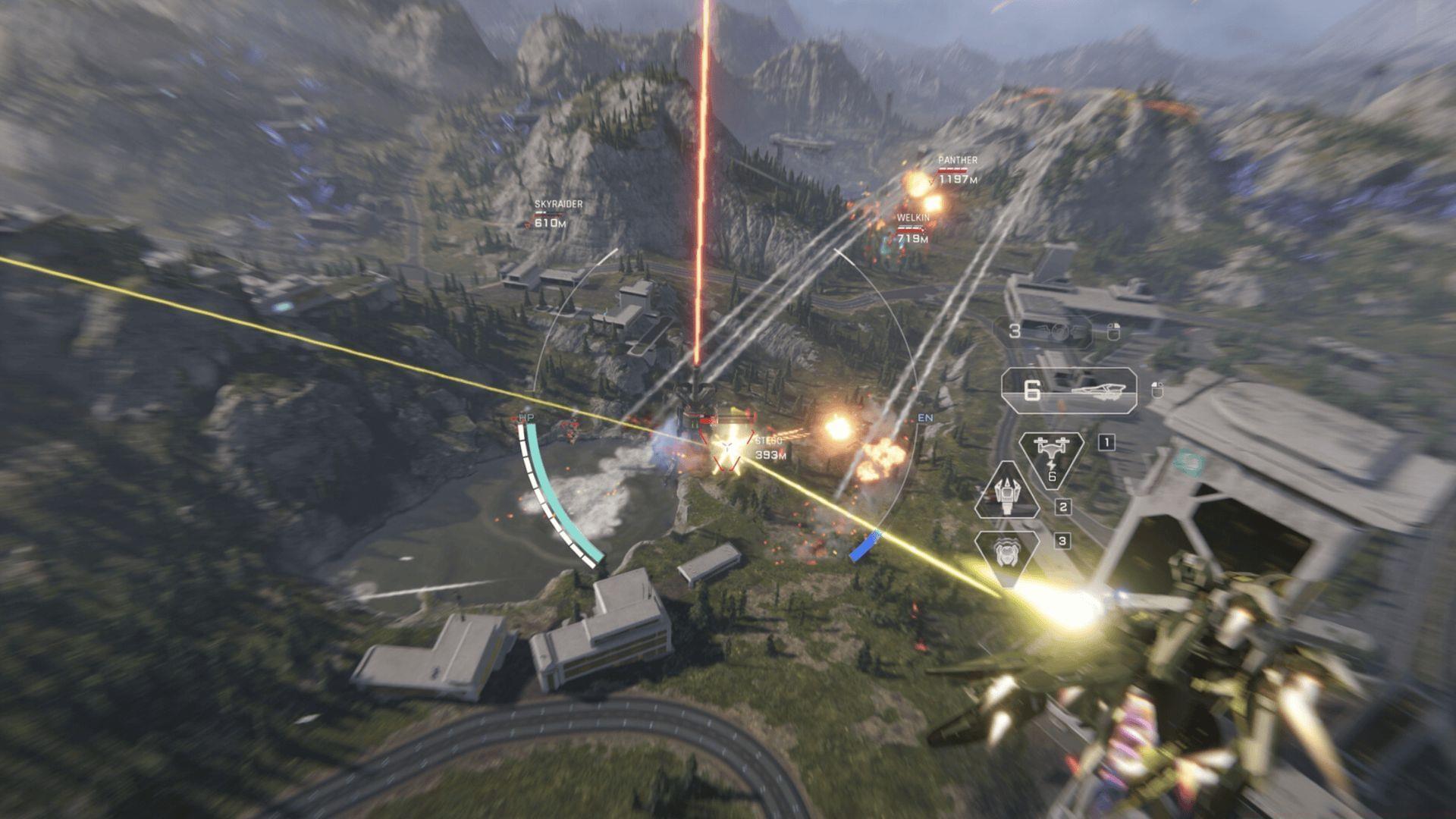
Cape Blanc Observatory represents one of the most strategically demanding environments within Mecha BREAK’s Operation Verge mode. Unlike traditional shooter maps where elimination counts dominate, victory here hinges entirely on objective completion efficiency. The core mechanic requires one squad member to remain stationary while interacting with extractors, creating vulnerable periods that demand exceptional team coordination.
Many players mistakenly prioritize combat engagements over objective completion, but this approach guarantees defeat. Points accumulated through successful extractor dismantling determine match outcomes, not kill-death ratios. Teams that neglect the primary objective inevitably cede map control and lose momentum.
Maintaining constant awareness of active extractor locations provides critical tactical advantage. Prioritize rapid deployment to these points and establish defensive positions before opposition arrives. Well-executed early positioning frequently enables coordinated teams to overcome mechanically superior opponents through superior strategy.
Terrain Utilization and Positioning
Cape Blanc Observatory’s verticality defines its combat flow. The map features extensive cliff networks, elevated ridges, and multi-level platforms that create natural sightlines and choke points. Teams controlling elevated positions gain significant visual dominance and firing advantages over opponents confined to lower terrain.
Long-range specialized mechas excel in these conditions, leveraging height advantages for precise targeting. However, close-quarters brawlers can utilize the terrain differently – scaling structures for surprise assaults, using cover to approach objectives safely, or creating ambush opportunities during enemy rotations. Understanding each mech type’s terrain interaction capabilities dramatically improves survival rates during extractor engagements.
The observatory’s central structure provides multiple access points and hidden pathways that experienced players utilize for flanking maneuvers. Learning these routes enables teams to approach active extractors from unexpected angles, disrupting enemy setups and creating dismantling opportunities.
Advanced Team Coordination Strategies
When initiating the dismantling sequence, operators become completely vulnerable. During this critical phase, they cannot return fire, evade attacks, or defend themselves until completion. This vulnerability window demands meticulous team coordination and predefined roles. Designate specific players for dismantling duties while others provide protective coverage from strategic angles.
Effective protection involves creating overlapping fields of fire, utilizing defensive abilities to block incoming damage, and aggressively pushing back threats before they reach the dismantler. Teams should establish communication protocols for when to initiate dismantling, when to abort for safety, and how to respond to different threat types.
Following successful extractor neutralization, immediate rotation to the next active point becomes paramount. Hesitation allows opponents to establish defensive positions. Employ swift reconnaissance mechas to scout ahead, identify enemy movements, and intercept opposition rotations. Late arrivals to subsequent objectives typically result in disadvantageous engagements against prepared defenders.
Advanced teams develop rotation patterns that account for spawn locations, mech mobility differences, and predicted enemy movements. This proactive approach consistently places your squad in favorable positions rather than reactive scrambles.
Common Mistakes and Optimization Tips
Many teams undermine their success through several predictable errors. Over-focusing on eliminations remains the most common mistake, distracting from primary objectives. Greedy plays attempting additional kills after objective completion frequently result in lost positioning advantages. Poor role assignment leaves dismantlers unprotected, while stagnant defense of completed points wastes valuable rotation time.
Advanced optimization involves predictive gameplay – anticipating enemy rotations based on their mech composition and play patterns. High-level teams use extractor sequences to set traps, bait overextensions, and control the match tempo. Understanding spawn timings and objective activation patterns enables proactive rather than reactive play.
Essential tactical reminders for consistent performance:
Read more: Mecha BREAK not working on PC: Possible fixes and reasons
Also read: Mecha BREAK not launching error: Possible fixes and reasons
For more related articles, follow Sportskeeda:
No reproduction without permission:Tsp Game Club » How to play Cape Blanc Observatory in Mecha BREAK Master Cape Blanc Observatory with advanced tactics, team coordination, and terrain control strategies