
TL;DR
- Off-timing breaks opponent expectations by deliberately altering standard movement patterns
- Entry fraggers benefit from delayed pushes and fake engagements to break defensive setups
- Master lurkers manipulate timing windows to punish rotations and create unexpected openings
- AWPers can reposition unexpectedly to catch enemies who think angles are clear
- Utility timing manipulation creates additional layers of deception beyond movement alone
Understanding Off-Timing Fundamentals
Off-timing represents a sophisticated tactical approach in CS2 where players intentionally deviate from expected movement patterns to exploit opponent anticipation. This deliberate unpredictability transforms predictable engagements into opportunities where defenders consistently misjudge your positioning and timing windows.
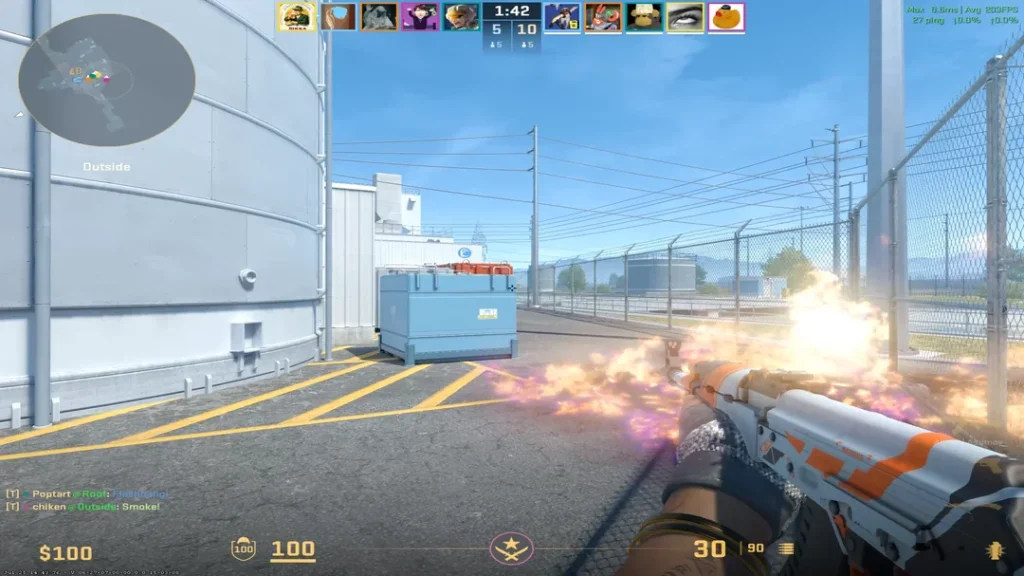
At its core, off-timing involves strategic deviation from established movement patterns that opponents have come to expect. When executed properly, these timing variations create cognitive dissonance in defenders who rely on mental timers to anticipate enemy positions. The psychological impact extends beyond immediate engagements—successful off-timing creates lasting doubt that affects multiple rounds as opponents second-guess their reads.
Common mistake to avoid: Many players misinterpret off-timing as simply being slower, but the most effective applications involve both acceleration and deceleration of standard timings.
Entry Fraggers: Strategic Delay and Acceleration
Entry specialists who master timing manipulation transform from predictable first-contact players into tactical wildcards. Consider Palace on Mirage: rushing out at precisely 1:40 creates a rhythm that organized defenses can easily counter with pre-planned utility and crossfire setups. However, varying your approach by holding cover until 1:25, or coordinating with teammate distractions elsewhere, fundamentally alters how site defenders must respond.
The “fake delay” technique proves particularly devastating—initiating what appears to be a standard execute, baiting out defensive responses, then disengaging completely before striking 10-15 seconds later when guards have typically lowered.
Optimization tip for advanced players: Track your opponent’s adaptation patterns across multiple rounds. If they begin expecting delayed pushes, occasionally hitting at standard timing becomes the unexpected play.
Lurkers: Masters of Temporal Manipulation
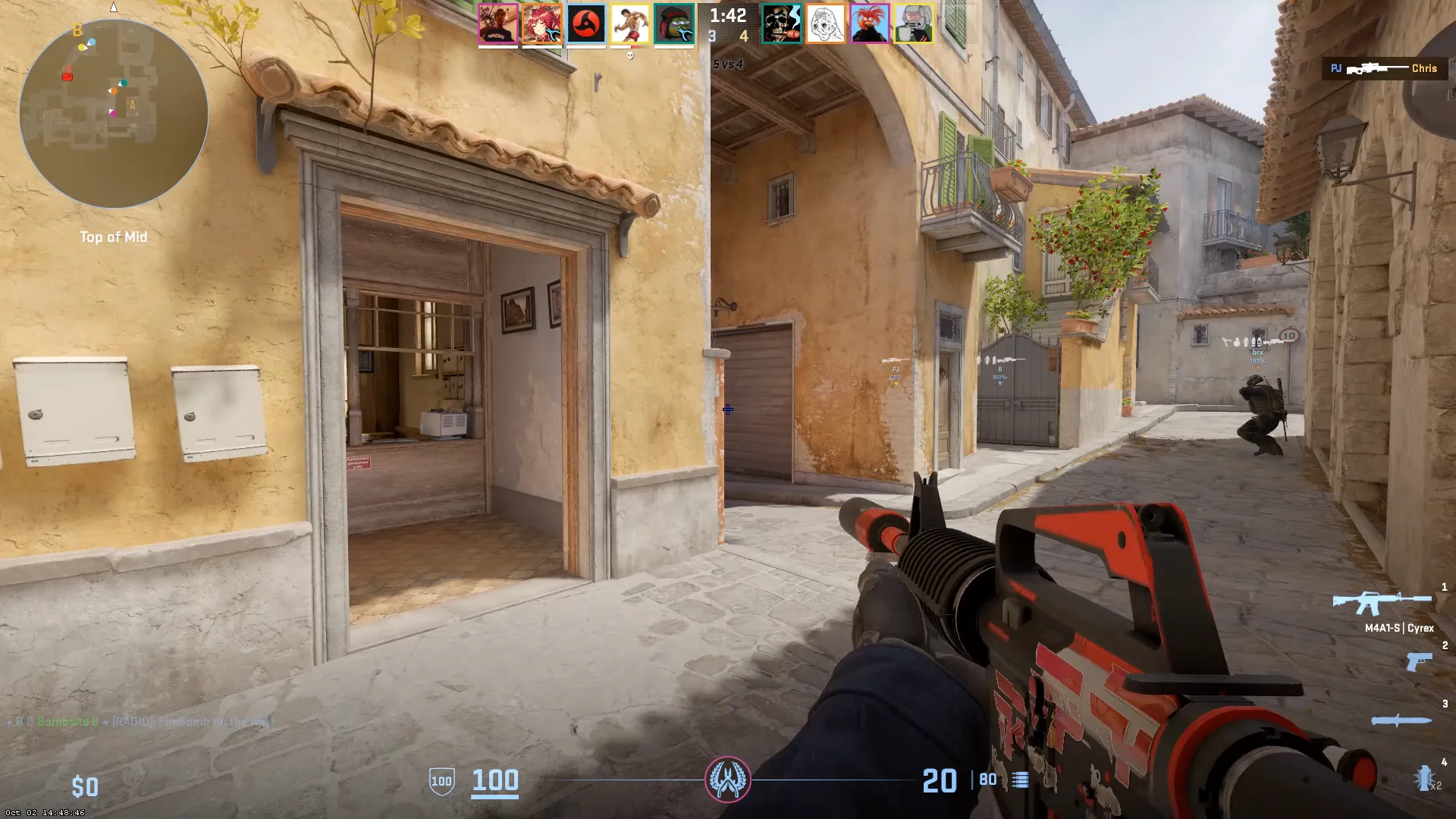
Elite lurkers understand that timing isn’t about being fast or slow—it’s about being misleading. When positioned in B Apartments during an A site fake, the optimal approach involves silent edge-walking while monitoring rotation sounds. The lethal moment arrives when the B anchor checks mid or begins rotating, creating the perfect interception opportunity.
Practical implementation: Vary your lurk timing patterns across three categories: early aggression (before expected), standard timing (matching expectations), and delayed striking (after rotation commitment).
AWPers: Temporal Repositioning and Angle Manipulation
Sniper specialists who incorporate off-timing principles become exponentially more dangerous. The misconception that AWP play relies solely on reaction speed ignores the weapon’s potential for psychological warfare through unexpected positioning.
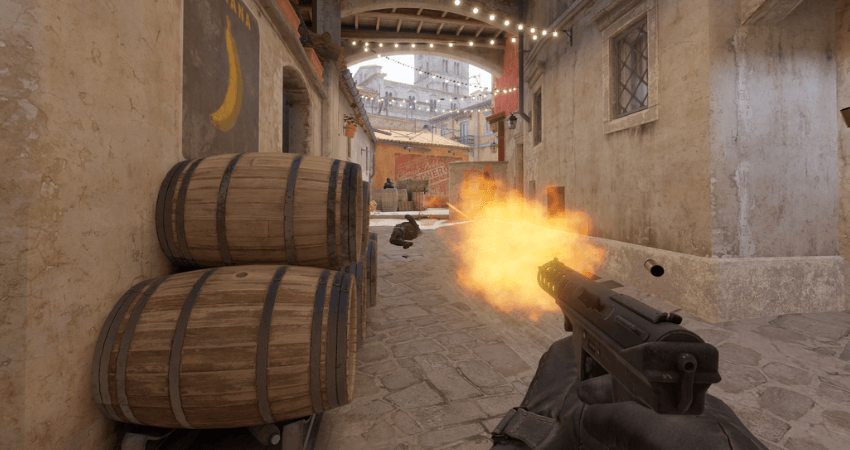
Consider holding Top Mid on Mirage for 20 seconds before retreating to Catwalk. Opponents who delayed their peeks will confidently advance into what they believe is cleared space, only to encounter your scope precisely where they anticipated safety.
Advanced technique: Implement “double-scope” positions where you hold unconventional angles for extended durations beyond typical expectations.
T-Side: Map Control Deception and Temporal Striking
Terrorist side players possess greater control over round pacing, making timing manipulation particularly potent. The foundational approach involves presence faking—deploying smokes or grenades to simulate imminent aggression, then silently withdrawing to redirect the assault.
For instance, executing the standard Top Mid smoke on Mirage but then walking toward B creates disorientation. Defenders anticipating mid pressure may reallocate resources or expend utility prematurely, weakening the actual target site’s defenses.
Delayed strikes represent another powerful T-side weapon. Counter-Terrorists train to maintain positions until specific round phases. If no activity occurs, they typically rotate or reposition. Striking immediately after this expected holding period catches transitionary defenders at their most vulnerable.
Coordination requirement: Solo delayed pushes generally prove ineffective except when executing lurk plays. Team synchronization regarding utility conservation, audio cue monitoring, and coordinated striking transforms timing from individual tactic to strategic weapon.
CT-Side: Aggressive Re-engagement and Flank Timing
Defensive side off-timing carries higher risk profiles but delivers exceptional rewards when executed properly. Opponents anticipate angle holding, utility-based retreats, and predictable rotations. Timing-conscious CT players shatter these expectations through unconventional peeking and pushing intervals.
The critical factor involves commitment determination. Rather than falling back after establishing initial Banana control on Inferno, advance forward and re-peek following 10 seconds of auditory silence. Most attackers assume you’ve abandoned the position entirely—that cognitive gap becomes your advantage window.
Another classic defensive timing maneuver is the delayed flank. Positioned at B site Mirage with audible A site execution sounds, most players either rotate rapidly or remain stationary. However, delaying 10 seconds before pushing through B Apps enables devastating backstab opportunities against committed attackers.
Success factors: Game sense development and communication excellence enable effective CT timing manipulation. Reading opponent pacing patterns and adjusting accordingly—pushing when他们认为你离开了,在他们期望你旋转时保持位置。成为他们预期中的异常现象。
Utility Timing Manipulation
Strategic equipment deployment extends beyond engagement initiation when incorporating timing principles. Rather than exhausting all grenades during round commencement, preserve one flashbang or molotov for deployment 10-20 seconds into the round. Most adversaries won’t anticipate delayed utility usage, creating rhythmic disruption in their tactical planning.
Consider CT-side Inferno scenarios: instead of standard 1:50 Banana molotov deployment, experiment with 1:20 timing. Attacking teams often group for execution pushes during this phase, assuming defensive utility has been depleted.
Pro-level insight: Professional teams frequently employ “stacked baiting” where early utility directed toward one site precedes stacked positioning at the alternative location in complete silence.
The “bait delay” tactic involves intentional early sacrificial deaths without trade possibilities, followed by full-team execution 20 seconds later. Though counterintuitive, this approach triggers defensive relaxation responses, believing solo pushes have been neutralized before the main assault commences.
Sound deception methods: Auditory misdirection creates additional timing manipulation layers. Pistol dropping simulates teammate presence, jump-spamming simulates movement, and loud running followed by silent directional reversal all contribute to opponent disorientation.
For comprehensive strategic development, consult our Complete Guide for additional advanced tactics.
Training Methodology Development
Building timing awareness requires specialized practice approaches distinct from conventional aim training. Deathmatch sessions prove valuable for developing reaction speed and situational awareness, but should incorporate specific timing exercises rather than standard run-and-gun approaches.
Custom server exercises: Establish controlled engagement scenarios (mid-to-B pushes on Mirage) practicing variable interval entries.
Workshop maps facilitate smoke navigation practice, footstep baiting techniques, and rotation timing measurement between key map positions.
Post-practice analysis through demo review identifies timing deficiencies—rushing stacked defenses, excessive holding durations, or missed opportunities from over-delaying.
Analytical framework: Review matches focusing specifically on rounds where timing felt suboptimal. Assess whether peeks appeared overly predictable, if standard patterns were followed mechanically, or if audio/teammate information could have informed better timing decisions.
For weapon-specific strategies, our Weapons Unlock provides detailed equipment guidance.
Action Checklist
- Analyze opponent rotation patterns across 3-5 rounds to identify timing expectations
- Practice delayed Palace exits on Mirage varying between 1:40, 1:25, and 1:15 timing windows
- Implement fake delay techniques as entry fragger—bait utility then re-engage 10-15 seconds later
No reproduction without permission:Tsp Game Club » How to Play Off-Timing in CS2 Master CS2 off-timing strategies for entry fraggers, lurkers, and AWPers to dominate competitive matches