
Complete F1 25 driver comparison guide: Verstappen vs Leclerc for career mode success
The Ultimate Driver Showdown
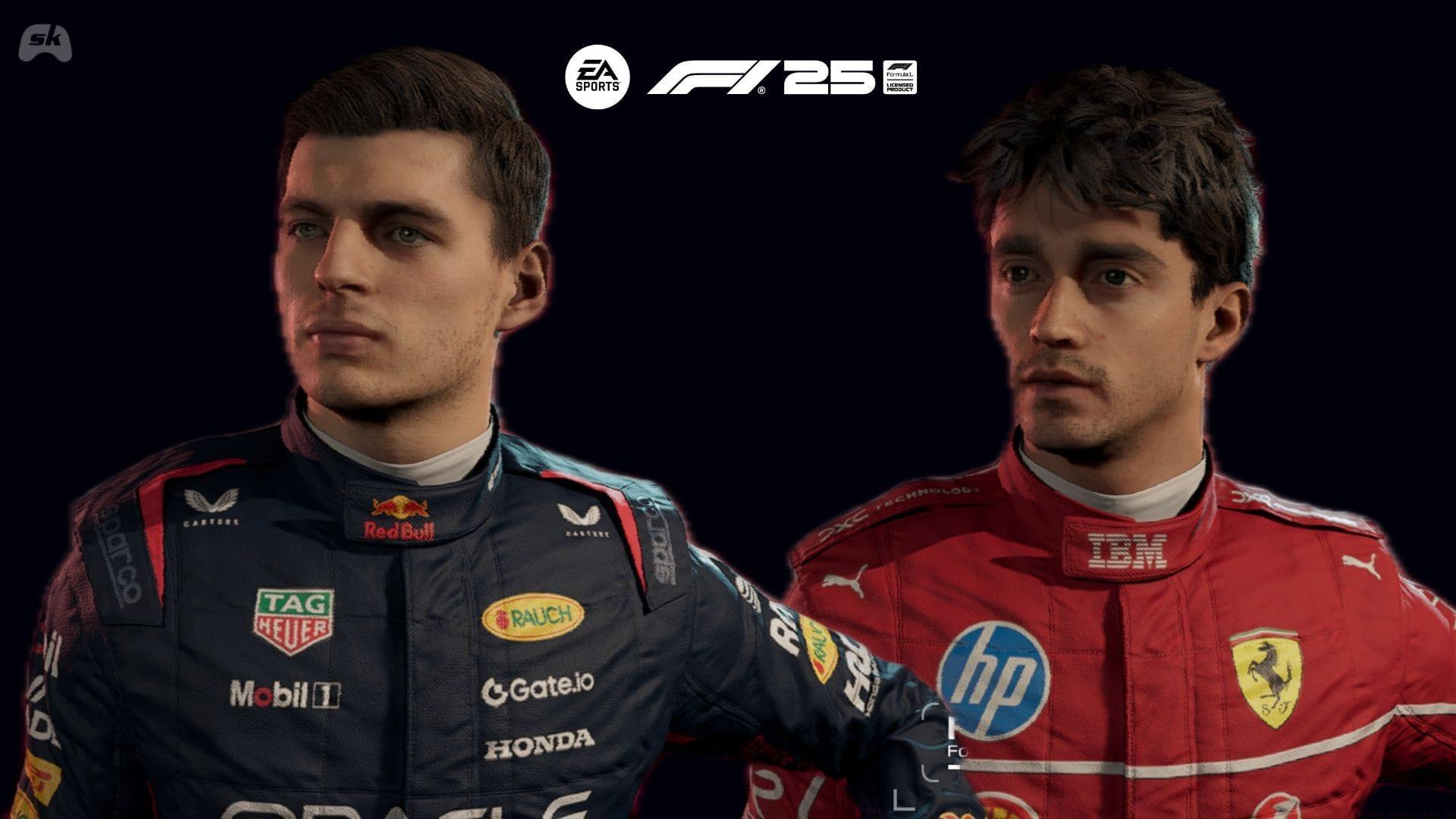
The rivalry between Max Verstappen and Charles Leclerc represents one of modern Formula 1’s most compelling narratives, now perfectly captured in F1 25’s virtual racing environment. These two elite competitors have consistently pushed each other to new heights on real-world circuits, creating a dynamic that translates exceptionally well to the gaming experience. While Verstappen’s statistical dominance with four world championships provides obvious appeal, Leclerc’s technical precision and race intelligence offer a different path to success that many players overlook.
Understanding this virtual driver selection requires recognizing how EA Sports has translated their real-world strengths into measurable in-game attributes. The debate extends beyond simple statistics to encompass team strategy, financial management, and long-term career development considerations that can make or break your championship aspirations.
Attribute Analysis: Breaking Down the Numbers
Max Verstappen’s attribute distribution showcases why he’s considered the game’s premier speed merchant. His exceptional 96 Pace rating makes him virtually untouchable in qualifying sessions and during pure speed segments, while the matching 96 Racecraft ensures he maintains this advantage during intense wheel-to-wheel battles. The 87 Experience attribute reflects his years of dominating the sport, providing subtle benefits in race strategy execution and tire management. However, his 85 Awareness represents a calculated risk—this lower rating accurately mirrors his aggressive real-world driving style but requires players to exercise additional caution during safety car periods and pit entry sequences.
Charles Leclerc presents a contrasting profile built around technical precision and race intelligence. His standout 93 Awareness—the highest among top-tier drivers—translates to significantly fewer unforced errors, better strategic decision-making in changing conditions, and superior damage avoidance during chaotic race starts. With 95 Racecraft nearly matching Verstappen’s elite level, Leclerc remains competitive in overtaking situations while maintaining cleaner racing lines. The 90 Pace differential becomes most apparent during qualifying, where he may struggle to secure pole positions against the absolute fastest cars, and his 81 Experience affects long-run consistency in complex strategy scenarios.
The Focus attribute reveals another crucial differentiator: Verstappen’s 74 rating versus Leclerc’s 73 rating creates meaningful performance separation during endurance stints and high-pressure situations. This single-point difference can determine who maintains optimal performance through tire degradation phases and who might make critical errors during prolonged battles. Advanced players should note that Focus interacts significantly with car setup choices—drivers with lower Focus benefit more from stable, understeer-oriented setups that reduce the cognitive load during races.
Career Mode Strategy: Budget vs Performance
For players targeting immediate championship contention in MyTeam career mode, Max Verstappen represents the ultimate performance investment. His combination of elite pace and racecraft provides the fastest path to race victories and constructor championships, particularly if your team already possesses competitive car development. However, this performance comes at a substantial financial cost—as Red Bull’s star driver, his salary demands will consume a significant portion of your budget, potentially limiting development in other areas during critical early seasons. Teams with strong financial backing or those prioritizing instant success over sustainable growth will find Verstappen’s premium justified.
Charles Leclerc offers a more strategically nuanced approach for players who value financial flexibility and long-term team development. While still commanding premium compensation as Ferrari’s lead driver, his contract typically runs 15-20% lower than Verstappen’s, freeing up crucial budget for facility upgrades, R&D investments, and developing a stronger second driver. This financial advantage becomes particularly valuable during seasons 2-4 of your career, when facility upgrades begin delivering significant performance returns. Leclerc’s superior awareness also reduces repair costs from race incidents, providing additional financial benefits that many players overlook during contract negotiations.
The decision ultimately hinges on your team’s development stage and strategic philosophy. Established teams with championship-ready equipment benefit most from Verstappen’s raw performance, while developing organizations gain greater advantage from Leclerc’s financial flexibility and error-resistant driving style. Consider your existing car performance, budget constraints, and development timeline when making this critical selection.
Advanced Player Insights and Common Pitfalls
Seasoned F1 25 competitors should analyze attribute synergy beyond surface-level statistics. Verstappen’s lower Awareness becomes less problematic when paired with cars featuring strong stability and predictable handling characteristics—consider investing the budget savings from not hiring Leclerc into chassis and suspension development. Conversely, Leclerc’s slightly lower Pace matters less on technical circuits where his superior Awareness provides lap time through consistency rather than pure speed. Understanding which tracks comprise your championship calendar can significantly influence which driver delivers better overall results.
A common mistake involves overvaluing Pace at the expense of Racecraft and Awareness during driver selection. While qualifying performance provides strategic advantages, race results ultimately determine championships—Leclerc’s combination of high Racecraft and elite Awareness frequently delivers better race-day results despite qualifying deficits. Another frequent error involves neglecting the financial ripple effects of driver salaries; the budget difference between these two drivers can fund an entire season of powertrain development or multiple facility upgrades.
Optimization tip: During contract negotiations, consider performance bonuses rather than pure salary increases to manage budget impact. Both drivers respond well to specific car setup preferences—Verstappen excels with oversteer-biased setups that maximize his car control skills, while Leclerc performs optimally with neutral-balanced cars that complement his precise driving style. Matching your setup philosophy to your lead driver’s strengths can extract additional performance that doesn’t appear in attribute ratings.
No reproduction without permission:Tsp Game Club » Max Verstappen vs Charles Leclerc: Who is the better driver in F1 25? Complete F1 25 driver comparison guide: Verstappen vs Leclerc for career mode success