
A comprehensive guide to all religions in Europa Universalis 5 with strategic gameplay implications
Introduction to Religions in Europa Universalis 5
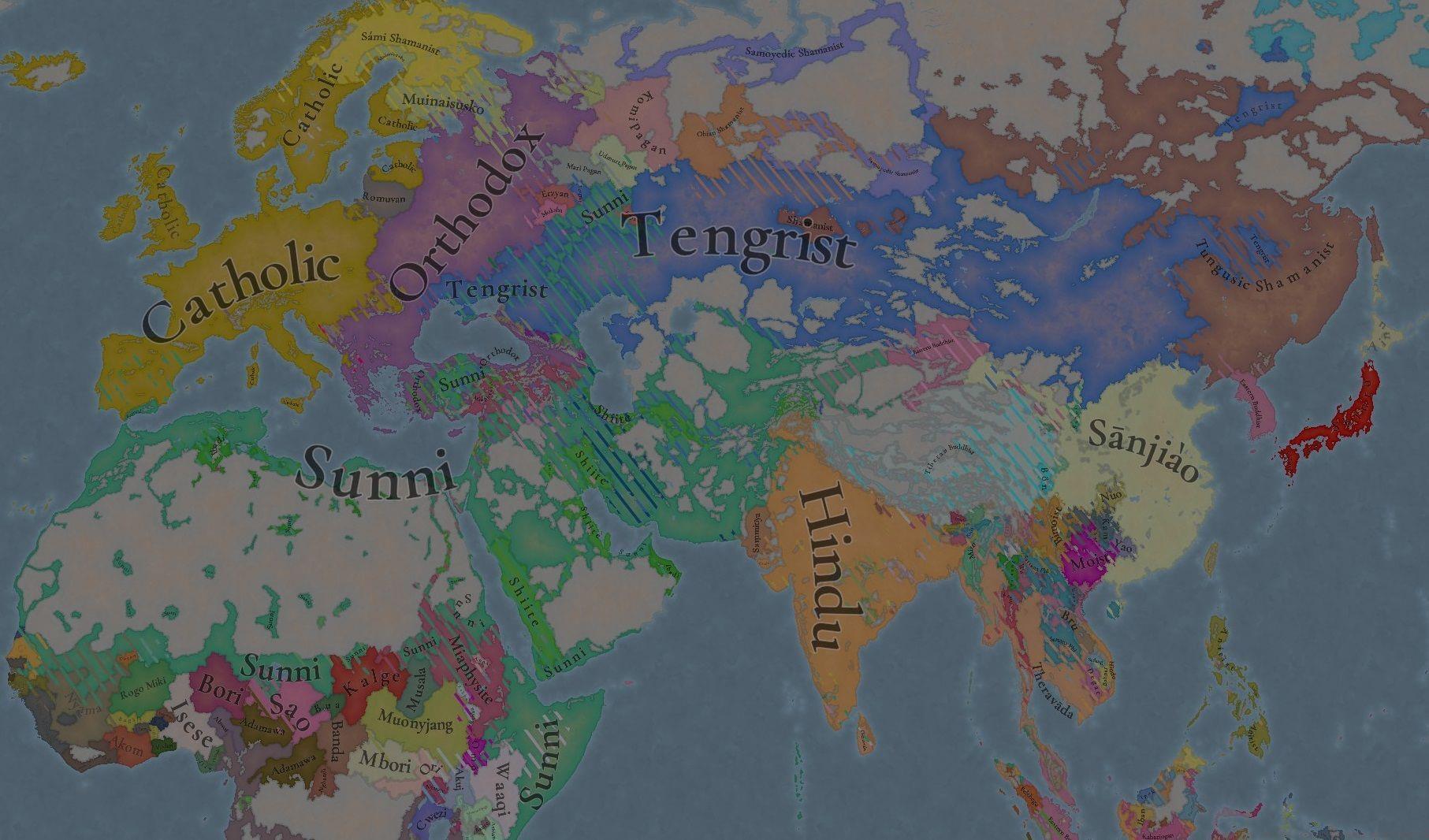
Europa Universalis 5 presents an ambitious recreation of human civilization spanning multiple historical eras, with religion serving as one of the most impactful gameplay systems alongside culture. The religious landscape of your nation dramatically influences diplomatic relations, internal stability, military capabilities, and economic development. Mastering religious mechanics is essential for any successful campaign, whether you’re playing as a devout Catholic monarchy or expanding a Buddhist empire across Asia.
Strategic Insight: Religious unity directly affects your nation’s stability and rebellion risk. Provinces following your state religion provide significantly lower unrest and higher tax income, making religious management a cornerstone of empire-building. The game’s mechanics reward players who understand how to leverage religious bonuses while managing religious diversity effectively.
Buddhist Traditions and Schools
Buddhist traditions in EU5 offer unique gameplay advantages focused on stability, tolerance, and diplomatic relations. Each school provides different bonuses that can complement specific playstyles and regional strategies.
- Bön: Emerging from pre-Buddhist Tibetan traditions, Bön incorporates elements of Tibetan Buddhism while preserving ancient shamanistic practices. This religion provides bonuses to mountain warfare and diplomatic relations with neighboring nations. Gameplay Tip: Bön practitioners gain defensive advantages in mountainous terrain, making them ideal for Himalayan kingdom strategies.
- Eastern Buddhism (Mahāyāna): Known as the ‘Great Vehicle,’ this tradition emphasizes the Bodhisattva path available to all believers. Historically spreading through China and the Silk Road, it offers trade bonuses and improved relations with other Buddhist nations. Strategic Value: Excellent for trade-focused campaigns in East Asia.
- Saṃmitīya: Once dominant in Sindh before Muslim invasions, this early Buddhist school provides unique monastic and educational bonuses. Common Mistake: Don’t underestimate its diplomatic penalties with Abrahamic religions when planning expansion westward.
- Sānjiào: The ‘Three Teachings’ blend of Confucianism, Daoism, and Buddhism creates a syncretic tradition with exceptional stability bonuses and technological development advantages.
- Shintō: Japanese Kami worship blended with Buddhist practices offers strong national unity bonuses and military morale in defensive wars. Advanced Strategy: Ideal for isolationist Japan campaigns with limited foreign entanglement.
- Theravāda: The ‘School of the Elders’ focusing on monastic communities provides stability and administrative efficiency bonuses, perfect for tall gameplay strategies.
- Tibetan Buddhism: Combining Mahāyāna with Vajrayāna esoteric practices, this tradition offers diplomatic bonuses with both Buddhist and Hindu nations alongside unique monastic military units.
Christian Denominations and Heresies
Christianity in EU5 presents a complex web of mainstream denominations and historical heresies, each with distinct gameplay mechanics affecting European politics, colonization, and religious warfare.
- Anglicanism: With the monarch as Supreme Governor, this tradition blends Catholic ritual with Protestant theology. Gameplay Advantage: Provides unique bonuses to naval power and colonial expansion while maintaining some Catholic diplomatic relations.
- Bogomilism: This dualist Christian sect emphasizes asceticism and spiritual purity, offering reduced army maintenance and increased missionary strength but suffering diplomatic penalties with mainstream Christian powers.
- Krstjani: An isolated breakaway Catholic sect with apocalyptic focus, providing bonuses to fort defense but severe diplomatic isolation. Strategic Warning: Difficult to maintain without strong military backing.
- Calvinism: Emphasizing predestination and biblical authority, this Protestant branch offers trade efficiency and administrative capacity bonuses ideal for merchant republic gameplay.
- Catharism: Dualist belief in two gods provides exceptional tolerance bonuses but makes you a target for Crusades. Advanced Tip: Combine with strong alliances to survive early game persecution.
- Catholicism: As the largest Christian denomination led by the Pope, Catholicism offers powerful diplomatic tools including Crusades, excommunication, and papal influence mechanics. Key Strategy: Maintaining papal favor can provide crucial bonuses throughout your campaign.
- Hussitism: This proto-Protestant movement offers military bonuses and reduced church power, perfect for challenging Catholic hegemony in Central Europe.
- Lollardy: Emphasizing vernacular scripture and universal priesthood, Lollardy provides literacy and technology cost reductions but risks triggering religious conflicts.
- Lutheranism: Based on Martin Luther’s reforms, this denomination offers stability bonuses and the ability to secularize church lands for economic gain.
- Miaphysitism: Prominent in Armenia and Ethiopia, this tradition provides diplomatic bonuses with Oriental Christians and increased resistance to religious conversion.
- Nestorianism: With Christ’s dual nature distinct, this faith spread widely through Asia, offering unique trade route access and diplomatic relations with Eastern religions.
- Orthodoxy: Centered on Byzantine tradition, Orthodoxy offers strong stability bonuses and unique mechanics with Patriarch authority and icon veneration.
- Paulicianism: This dualist sect rejecting the Old Testament provides military bonuses against Abrahamic religions but severe diplomatic penalties.
- Strigolnichestvo: Russian reform movement criticizing clerical corruption, offering reduced church maintenance costs but internal stability challenges.
- Waldensian: Emphasizing poverty and scripture, this movement provides trade bonuses and reduced rebellion risk but limited diplomatic options.
Dharmic Faiths of India
The Indian subcontinent hosts diverse Dharmic traditions offering unique gameplay mechanics focused on tolerance, trade, and philosophical advancement.
- Hinduism: As a collection of varied beliefs rather than a unified religion, Hinduism provides exceptional religious tolerance bonuses and flexibility in adapting to different playstyles. The four main branches—Vaishnavism, Shaktism, Shaivism, and Smartism—each offer subtle variations in military, economic, or diplomatic bonuses. Strategic Insight: Hindu nations can maintain stability in religiously diverse regions more effectively than Abrahamic faiths.
- Jainism: Focusing on non-violence and asceticism, Jainism provides significant trade bonuses and reduced war exhaustion but limitations on aggressive expansion. The Digambara and Śvetāmbara schools offer different approaches to gender equality and monastic practices. Gameplay Tip: Ideal for tall, trade-focused gameplay rather than wide conquest strategies.
- Sikhism: Blending Hindu and Islamic influences, Sikhism provides military morale bonuses and administrative efficiency, particularly powerful during the later game stages. Advanced Strategy: Sikh nations can leverage their late-game military bonuses to challenge established empires.
Abrahamic Religions and Offshoots
Beyond mainstream Christianity, the Abrahamic tradition includes several unique faiths with distinctive gameplay implications.
- Druzism: Emerging from Ismā’īlī Islam but considering itself distinct, Druzism emphasizes esotericism and reincarnation. It provides diplomatic bonuses with multiple religious groups and resistance to missionary conversion. Strategic Value: Excellent for maintaining independence amid powerful Muslim neighbors.
- Judaism: The original Abrahamic faith provides unique mechanics for diaspora communities and economic bonuses but presents significant diplomatic challenges in Christian and Muslim regions. Common Mistake: Underestimating the diplomatic penalties when expanding into religiously hostile territory.
- Samaritanism: Considering itself the unchanged Israelite faith, Samaritanism offers stability bonuses but extreme isolation from other Abrahamic religions.
- Mandeaism: This gnostic tradition honoring John the Baptist provides trade bonuses and religious tolerance but limited conversion capabilities.
Islamic Traditions
Islam in EU5 features distinct schools with different approaches to leadership and jurisprudence, affecting diplomatic relations and internal governance.
- Ibadism: A moderate offshoot of the Kharijite movement, Ibadism offers religious tolerance bonuses and reduced unrest in diverse provinces. Gameplay Tip: Excellent for maintaining stability in religiously mixed regions like East Africa.
- Shiism: Based on the leadership of Ali’s descendants, Shiism provides strong military morale bonuses and unique mechanics with the Imamate. Strategic Consideration: Shiite nations often face diplomatic challenges with Sunni powers but can form powerful alliances with other Shiite states.
- Sunnism: Following the first four caliphs after Muhammad, Sunnism offers stability bonuses and improved relations with most Muslim nations. Key Advantage: The diplomatic flexibility to form alliances across the Muslim world.
Manichaean and Zoroastrian Traditions
Manichaean Religions:
- Manichaeism: This Iranian syncretic religion founded by Mani combines elements of Zoroastrianism, Christianity, and Buddhism. Its dualistic cosmology of light versus darkness provides unique bonuses to trade routes and religious tolerance. Historical Context: Once widespread across Eurasia, it now exists in isolated communities offering challenging but rewarding gameplay for experienced players.
Zoroastrian Religions:
- Zoroastrianism: The ancient Iranian faith centered on the cosmic struggle between Ahura Mazdā and Angra Mainyu. Zoroastrianism provides bonuses to administrative efficiency and cavalry combat ability. Gameplay Challenge: As a minority religion, Zoroastrian nations require careful diplomacy and strategic alliances to survive surrounded by larger powers.
Indigenous American Religions
Native American traditions offer unique mechanics focused on local deities, natural forces, and ancestral worship, with strong bonuses in their home territories but challenges when encountering Old World religions.
- Chīchīmēcah, Maya, Tonal: These Mesoamerican traditions provide strong defensive bonuses and unique mechanics with human sacrifice and celestial events. Strategic Warning: These religions face severe penalties when encountering European colonizers and their missionaries.
- Nahua: With a pantheon led by Ōmeteōtl and including gods like Huītzilōpōchtli and Quetzalcōātl, Nahua religion provides military bonuses and unique mechanics with human sacrifice requirements. Advanced Strategy: Managing the balance between military expansion and maintaining religious favor is crucial for Aztec campaigns.
- Yazidism: Blending Iranian tradition with Abrahamic elements, Yazidism focuses on the Peacock Angel Tawûsî Melek. It offers diplomatic flexibility but faces persecution from mainstream Muslims.
African Folk Traditions
Africa hosts diverse indigenous religions offering unique mechanics tied to specific regions and cultures. These traditions typically provide strong local bonuses but face challenges from Abrahamic missionary efforts.
Notable African Religions:
- Vodun: West African spiritual tradition providing resistance to foreign conversion and unique cultural bonuses.
- Waaqeffanna: Eastern African monotheistic tradition offering stability bonuses and diplomatic relations with other African religions.
- Bantu, Dogon, and dozens of other regional traditions each provide localized advantages in their home territories. Gameplay Insight: African religions typically offer strong defensive and cultural preservation bonuses but may struggle against technologically advanced invaders.
Strategic Consideration: African religious nations can leverage their knowledge of terrain and local support to resist colonization longer than historically occurred, creating alternative historical scenarios.
Asian Folk Religions
Asia’s diverse indigenous traditions reflect the continent’s cultural complexity, offering unique mechanics often focused on harmony with nature and ancestral veneration.
- Tengrism: Central Asian shamanistic tradition centered on the sky god Tengri, providing cavalry bonuses and diplomatic relations with other steppe nations. Military Advantage: Exceptional for horse archer and nomadic gameplay styles.
- Shamanism: A broad category of practices focused on spirit interaction, providing flexibility in adapting to different regions but limited organizational strength.
- Various Chinese, Southeast Asian, and Siberian traditions each offer unique regional bonuses. Strategic Note: Many Asian folk religions synergize well with Buddhist and Hindu neighbors, allowing for religious tolerance strategies.
European Folk Religions
Europe’s pagan traditions offer alternative gameplay paths for players seeking to challenge Christian dominance or recreate historical pagan revivals.
- Hellenism: Ancient Greek religion providing philosophical and cultural development bonuses. Restoration Challenge: Extremely difficult to maintain but offers unique roleplaying opportunities.
- Norse Paganism: The Germanic tradition of Odin and Thor, providing military and naval bonuses ideal for Viking gameplay. Historical Context: Primarily available in early start dates before Christianization.
- Romuva: Baltic pagan tradition offering defensive bonuses and resistance to conversion.
- Sámi Shamanism: Arctic tradition providing unique bonuses in northern territories and diplomatic relations with other northern peoples.
Gameplay Consideration: European pagan religions typically face severe diplomatic penalties with Christian nations but can create unique alternative history scenarios.
Oceanic and Other Global Traditions
From Polynesia to the Americas, diverse indigenous traditions offer unique gameplay experiences often focused on environmental adaptation and cultural preservation.
Key Regional Groups:
- Polynesian Religions (Tapu, Tokelauan): Naval and colonization bonuses ideal for Pacific expansion.
- Australian Aboriginal (Jukurrpa): Unique mechanics with dreamtime and ancestral connections.
- Various South American, Caribbean, and other global traditions each providing localized advantages. Strategic Insight: These religions often struggle against colonial powers but can leverage their knowledge of local terrain and resources for extended resistance.
Gameplay Strategy and Religious Management
Mastering religious mechanics is crucial for long-term success in Europa Universalis 5. Your religious choices affect nearly every aspect of gameplay from diplomacy to economic development.
Key Strategic Principles:
- Religious Unity: Maintain high religious unity to prevent rebellions and maximize tax income. Use missionaries strategically in high-value provinces.
- Tolerance vs. Conversion: Decide whether to pursue religious uniformity or embrace tolerance. Humanist ideas can mitigate diversity penalties, while religious ideas enhance conversion capabilities.
- Diplomatic Implications: Your state religion affects who will ally with you and who considers you a heretic or infidel. Plan your diplomatic strategy around religious blocs.
- Religious Ideas Selection: Choose idea groups that complement your religious strengths. Religious ideas enhance conversion, Humanist ideas improve tolerance, and both can be viable depending on your strategy.
Advanced Tips:
- Time your religious conversions to avoid overlapping with other stability challenges
- Use religious bonuses to complement your nation’s inherent strengths
- Consider religious composition when planning expansion to minimize unrest
- Leverage religious mechanics for specific achievements or roleplaying goals
Platform Availability
Europa Universalis 5 is exclusively available on PC, leveraging the platform’s computational power to handle the complex religious simulation across hundreds of nations and provinces.
Related Content
Check out more Europa Universalis 5 guides:
- Europa Universalis 5 trophy list: All achievements and how to unlock
- How to build roads in Europa Universalis 5
- How to increase Prestige in Europa Universalis 5
- How to increase Control in Europa Universalis 5
- How to secure Claims and conquer lands in Europa Universalis 5
No reproduction without permission:Tsp Game Club » religion: All Religions in Europa Universalis 5 A comprehensive guide to all religions in Europa Universalis 5 with strategic gameplay implications