
Mastering Europa Universalis 5 road infrastructure for economic growth and military dominance strategies
The Strategic Importance of Road Networks
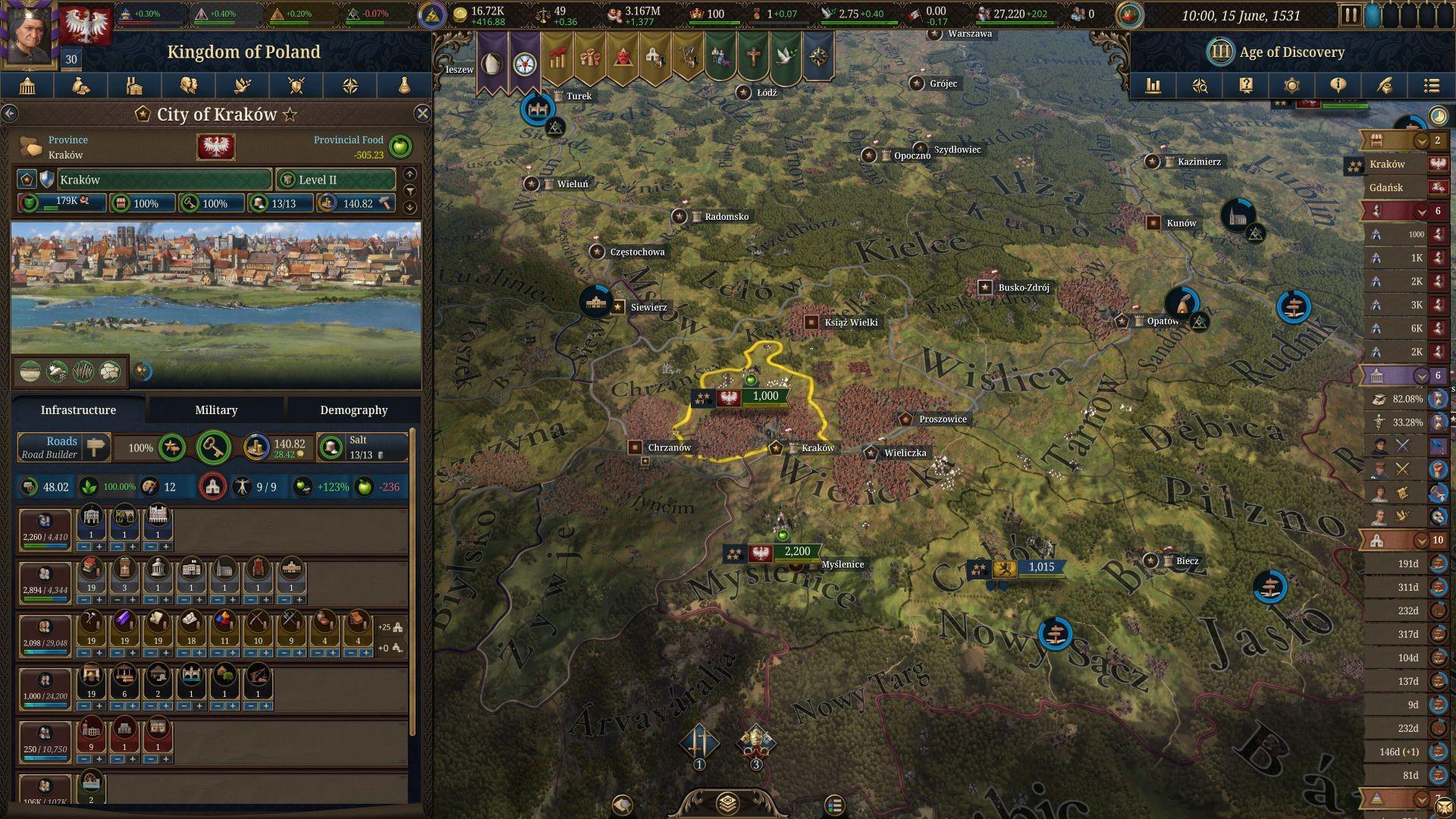
In the complex grand-strategy landscape of Europa Universalis 5, establishing robust transportation infrastructure serves as the fundamental framework for imperial expansion and consolidation. Unlike simple construction projects, road networks function as vital arteries that pump economic vitality and military capability throughout your territories. These pathways facilitate trade caravans, enable population mobility, and create the logistical backbone necessary for projecting power across vast continental distances.
Beyond basic connectivity, well-planned road systems generate substantial economic multipliers by reducing Proximity Costs to your capital region. This reduction directly translates to enhanced tax collection efficiency, stronger military levies, accelerated cultural assimilation of local populations, and improved administrative control. Regions with developed infrastructure also receive significant bonuses to Institution Growth, construction project completion rates, and local economic development momentum.
From a military perspective, roads transform your strategic mobility, allowing rapid troop deployments that can mean the difference between containing a rebellion and facing full-scale provincial revolt. The movement cost reductions enable quicker response to border incursions and more efficient supply lines during extended campaigns.
Step-by-Step Road Construction Process
Constructing transportation networks requires careful planning and resource allocation. Begin by selecting the target province through the regional interface, which activates the detailed territory panel on your screen’s left side. Navigate to the Infrastructure management tab, then access the specialized Roads subsection to review available construction options.
- Identify provinces requiring infrastructure development based on economic potential and strategic vulnerability
- Access the regional interface and select the Infrastructure management category
- Choose the Roads subsection to view constructible pathway types, beginning with basic gravel surfaces
- Designate origin and destination points while monitoring the sidebar display of affected territories and associated costs
- Finalize your route selection and initiate the construction phase after confirming resource availability
Road development represents a significant financial investment, particularly for extensive networks crossing multiple provinces. However, this expenditure yields substantial returns through improved regional control metrics. The proximity cost reduction directly enhances revenue collection, military recruitment capacity, population integration rates, and administrative efficiency. Infrastructure-rich territories also experience accelerated institutional development, construction project completion, and localized economic growth.
Comprehensive Road Type Analysis
Europa Universalis 5 features four distinct road tiers, each offering progressively superior mobility and economic benefits at increasing resource costs. Understanding these infrastructure grades is crucial for strategic development planning.
| Road Type | Movement Cost | Market Access | Proximity Impact | Maintenance Costs |
|---|---|---|---|---|
| Gravel Road | -25% | -10% | -20 | 0.01 Sand |
| Paved Road | -30% | -15% | -25 | 0.01 Sand, 0.01 Masonry |
| Modern Road | -35% | -20% | -30 | 0.01 Sand, 0.01 Masonry |
| Rail Connection | -80% | -25% | -35 | 0.01 Sand, 0.01 Masonry, 0.01 Steel |
Gravel Pathways provide basic infrastructure improvements over natural terrain, featuring loose stone surfaces that significantly outperform dirt tracks. These entry-level roads reduce movement expenses by one-quarter while cutting market access costs by 10% and improving regional connectivity.
Paved Surfaces represent a substantial upgrade with solid construction that dramatically improves travel efficiency. The 30% movement reduction and 15% market access improvement make these roads ideal for connecting economically vital provinces to your trade networks.
Modern Infrastructure offers advanced transportation solutions with smooth, high-quality surfaces that maximize logistical efficiency. The 35% movement cost reduction and 20% market access improvement make these premium roads perfect for core economic regions.
Rail Systems revolutionize transportation with unprecedented 80% movement cost reductions, fundamentally transforming military logistics and trade efficiency. While requiring steel in addition to standard materials, the proximity impact reduction of 35 creates unparalleled regional integration.
Advanced Road Network Strategies
Mastering transportation infrastructure requires going beyond basic construction to implement sophisticated network optimization strategies. Prioritize connecting resource-rich provinces to administrative centers first, as these connections yield the highest economic returns. Establish primary arterial routes between your capital and major trade hubs before expanding to secondary networks.
Economic Optimization: Focus initial development on provinces with high tax bases, valuable trade goods, or strategic resources. The market access improvements will compound existing economic advantages. Create dedicated trade corridors connecting production centers to ports and marketplaces, maximizing the efficiency of your commercial networks.
Military Logistics Planning: Design road networks that facilitate rapid troop movements between fortifications and vulnerable border regions. The movement cost reductions become strategically crucial during defensive wars and rebellion suppression campaigns. Avoid creating isolated road segments that don’t connect to your main network, as these provide limited tactical value.
Common Development Mistakes: Many players over-invest in frontier territories before securing core regional connectivity, wasting limited resources on low-return projects. Others neglect maintenance costs, leading to infrastructure degradation during economic downturns. Balance expansion ambitions with fiscal responsibility by phasing construction projects according to projected revenue increases.
Advanced players should coordinate road development with other infrastructure projects, creating synergistic effects that accelerate regional development. Time your construction to coincide with technological advancements that unlock better road types, avoiding costly upgrades of recently built inferior infrastructure.
No reproduction without permission:Tsp Game Club » Roads: How to build roads in Europa Universalis 5? Mastering Europa Universalis 5 road infrastructure for economic growth and military dominance strategies