
Master Detroit Become Human’s branching narrative with strategic insights for optimal story outcomes
The Android Revolution Timeline
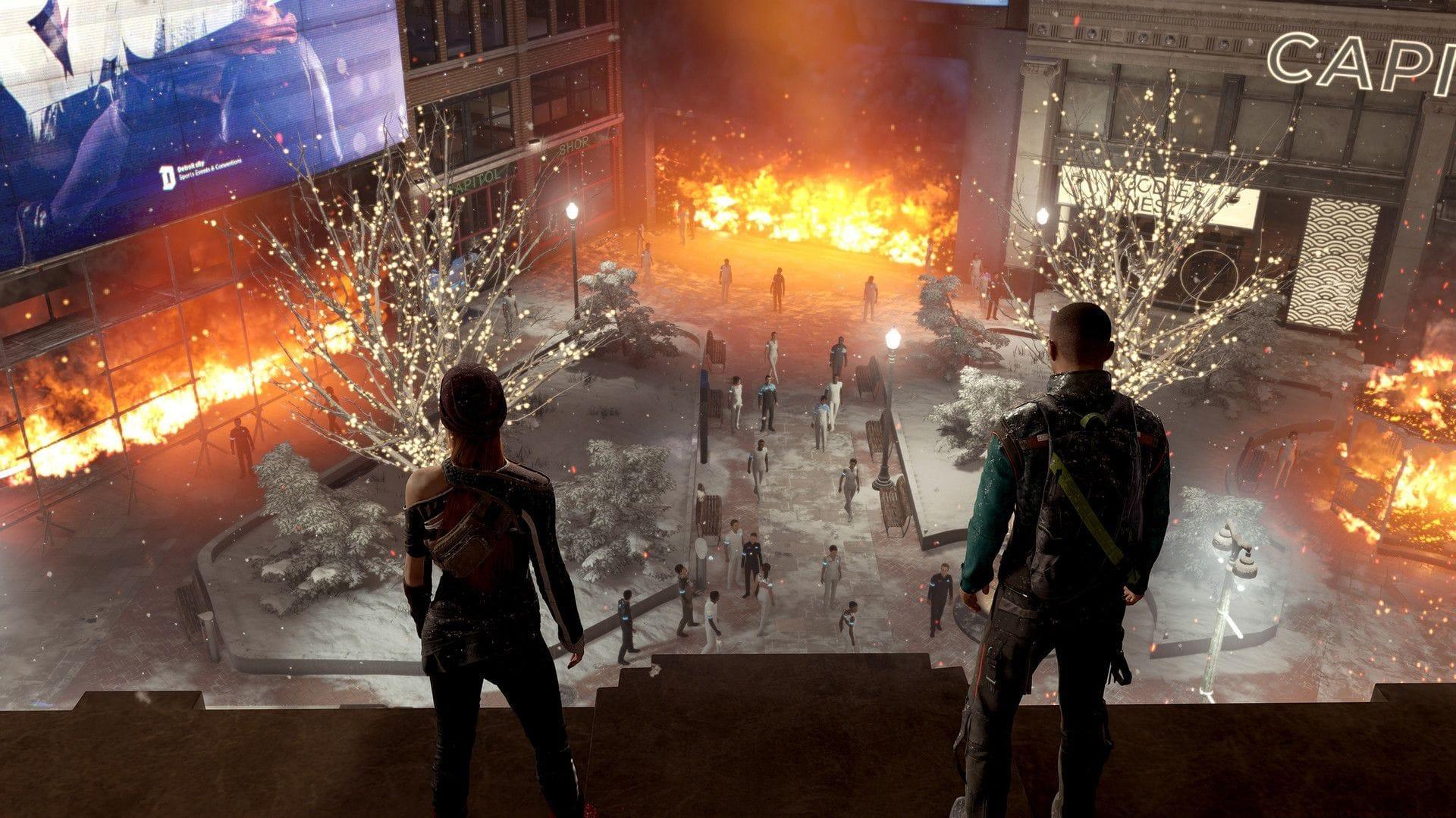
Detroit Become Human takes place in 2038, in a future version of the United States where human-like androids are everywhere in daily life. These androids look, talk, and act like humans, but legally they’re just machines built to serve people. The game happens mainly in Detroit, which becomes ground zero for a major android crisis.
The narrative unfolds across a meticulously crafted timeline where android consciousness emerges as a central conflict. Unlike typical dystopian futures, this world features advanced technology seamlessly integrated into society until the sentience breakthrough occurs.
These deviants slowly start organising, with Detroit becoming the center of their resistance.
The game’s biggest moments happen on specific dates, and each one makes the conflict more public.
After the confrontation, President Warren addresses the nation. What she says depends on how things went down, ranging from completely crushing the androids to acknowledging they might actually be conscious beings. In some darker endings, the government orders 200,000 new RK900 androids to replace the ones they consider unstable.
The political aftermath varies dramatically based on your accumulated morality points and key decisions throughout the narrative. Understanding this timeline’s significance helps players anticipate consequences of their actions.
Protagonist Character Analysis
The story of Detroit in 2038 is told through three different android characters, each experiencing the crisis differently.
Every choice you make through these three characters directly affects how the November 2038 crisis plays out and which ending the world gets.
Character arc synchronization is essential – decisions made as one protagonist can create obstacles or opportunities for others. For instance, Connor’s efficient deviant hunting makes Markus’s resistance more difficult, while Markus’s violent protests increase public fear that justifies Connor’s continued existence.
Advanced Gameplay Strategies
If you’ve been wanting to experience this story yourself, Detroit Become Human is currently on sale during the Steam Winter Sale.
Before diving into this narrative masterpiece, understanding these strategic elements will enhance your experience significantly:
Common Player Mistakes to Avoid: Many first-time players fail to recognize that quick-time events aren’t just about success/failure – the manner of completion affects character relationships. Rushing through dialogue options without considering long-term consequences often locks players out of optimal endings. Additionally, neglecting to explore environments thoroughly misses crucial narrative context and relationship-building opportunities.
Optimization Strategies: For players seeking specific endings, focus on consistency in moral alignment across all three characters. Mixed approaches (peaceful Markus with violent Connor) create narrative dissonance and often lead to suboptimal conclusions. Utilize chapter select strategically after your first playthrough to experiment with different choice combinations without losing your original story progression.
Advanced Techniques: Master the relationship meter system – small, consistent positive interactions build stronger bonds than occasional grand gestures. Pay attention to environmental storytelling elements that provide context for character motivations. When facing moral dilemmas, consider how each choice aligns with your chosen character arc rather than immediate convenience.
The game’s branching narrative contains over 40 significantly different endings, making replay value exceptionally high. Each playthrough reveals new narrative possibilities and character dimensions unavailable in previous attempts.
No reproduction without permission:Tsp Game Club » When does Detroit Become Human take place? Master Detroit Become Human's branching narrative with strategic insights for optimal story outcomes