
TL;DR
- Macro gameplay involves strategic map control and team coordination beyond mechanical skill
- Position consistency and utility management form the foundation of reliable decision-making
- Aggressive play requires strategic timing and opponent assessment to avoid overextension
- Default strategies and lurking create information advantages and rotation opportunities
- Team economy and demo analysis accelerate strategic development and adaptation
What is macro in CS?
Many newcomers perceive CS:GO and CS2 as straightforward shooters focused solely on running and gunning. This perspective typically comes from casual players who haven’t experienced organized team play or competitive environments.
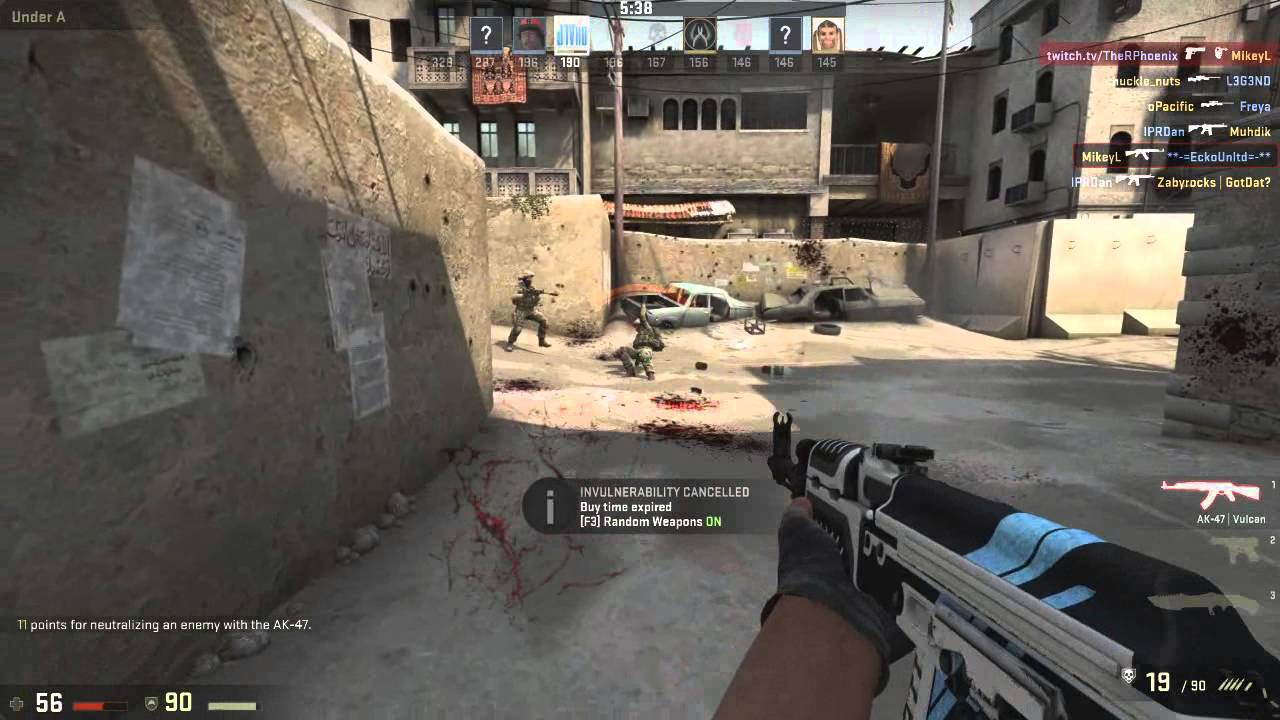
In competitive reality, Counter-Strike presents significant complexity. Beyond raw aiming ability, players must master grenade lineups, strategic execution, counter-strategies, and numerous tactical elements.
Strategic approaches constitute a fundamental component of macro gameplay. Macro represents the comprehensive understanding of match dynamics – the overarching strategic concept your team pursues while executing map movements.
Practical scenario: On Mirage, the CT team strategically surrenders middle control to secure ramp dominance instead. This tactical exchange provides critical intelligence about whether opponents are preparing an A-site execution. Such information becomes game-changing when acquired at optimal timing, enabling rotation of multiple defenders to B-site to surprise attackers.
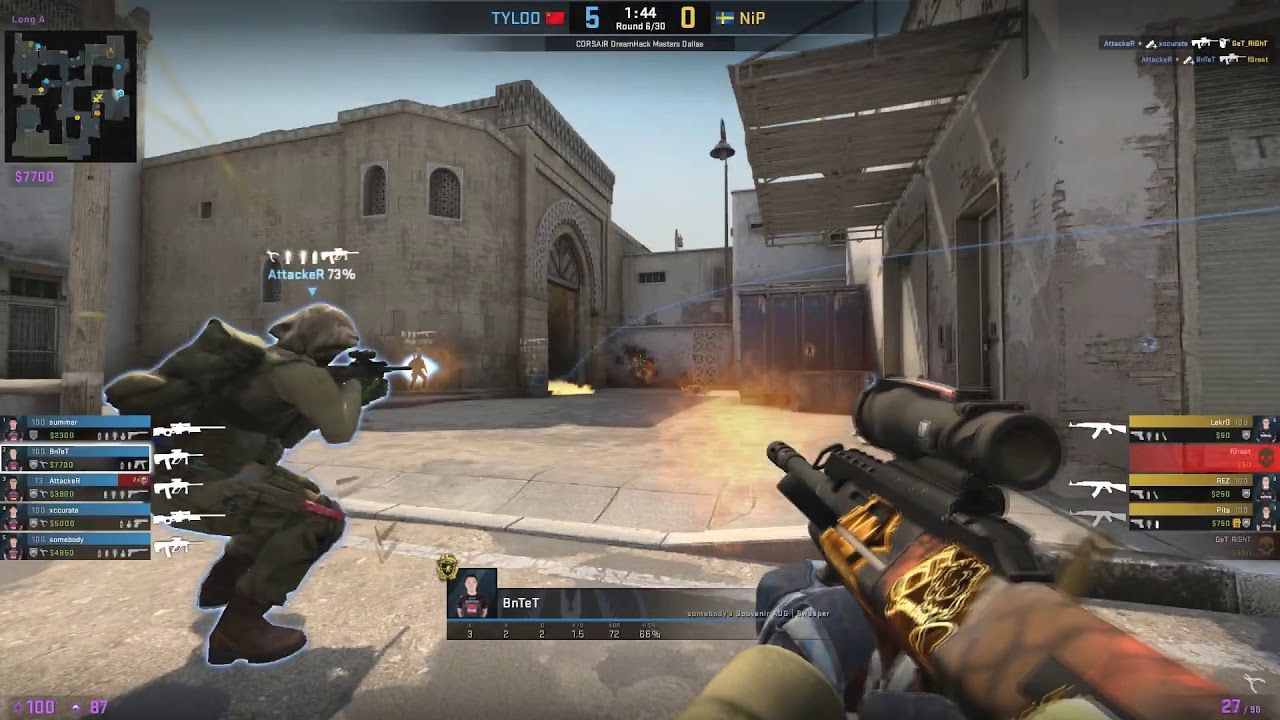
Professional teams demonstrate various ramp control methodologies. BIG organization players frequently employ identical utility combinations while occasionally abstaining from aggressive ramp takes. This demonstrates conditioning – repeatedly executing specific utility patterns conditions opponents to expect continued ramp control. Consequently, T-side teams waste additional time and resources clearing areas they believe remain CT-controlled.
Critical distinction: When participating in Faceit or other matchmaking environments (PUGs), strategic execution differs significantly from organized team play due to reduced player synergy and tactical coordination. While strategic objectives remain consistent, execution methods must adapt to available resources.
How to make better decisions?
Several foundational principles can accelerate your decision-making process and enhance comfort during ranked matches.
Essential guidelines:
- Maintain position consistency throughout matches. While advantageous spawns may enable aggressive plays elsewhere, always coordinate position swaps with teammates for single rounds.
- During CT-side numerical superiority situations (5v3, 4v2), adopt passive positioning and partner play to ensure trade kills if opponents push. On T-side with player advantage, consolidate forces and execute coordinated site takes, as CT gambles become manageable with numerical superiority.
- When selecting CT positions, prioritize locations enabling safe kill opportunities or multi-kill potential through off-angles or unexpected placements.
- Never underestimate utility importance! For instance, when defending palace on Mirage, always carry smoke grenades to counter enemy molotovs. Without extinguishing capability, your survival chances diminish dramatically.
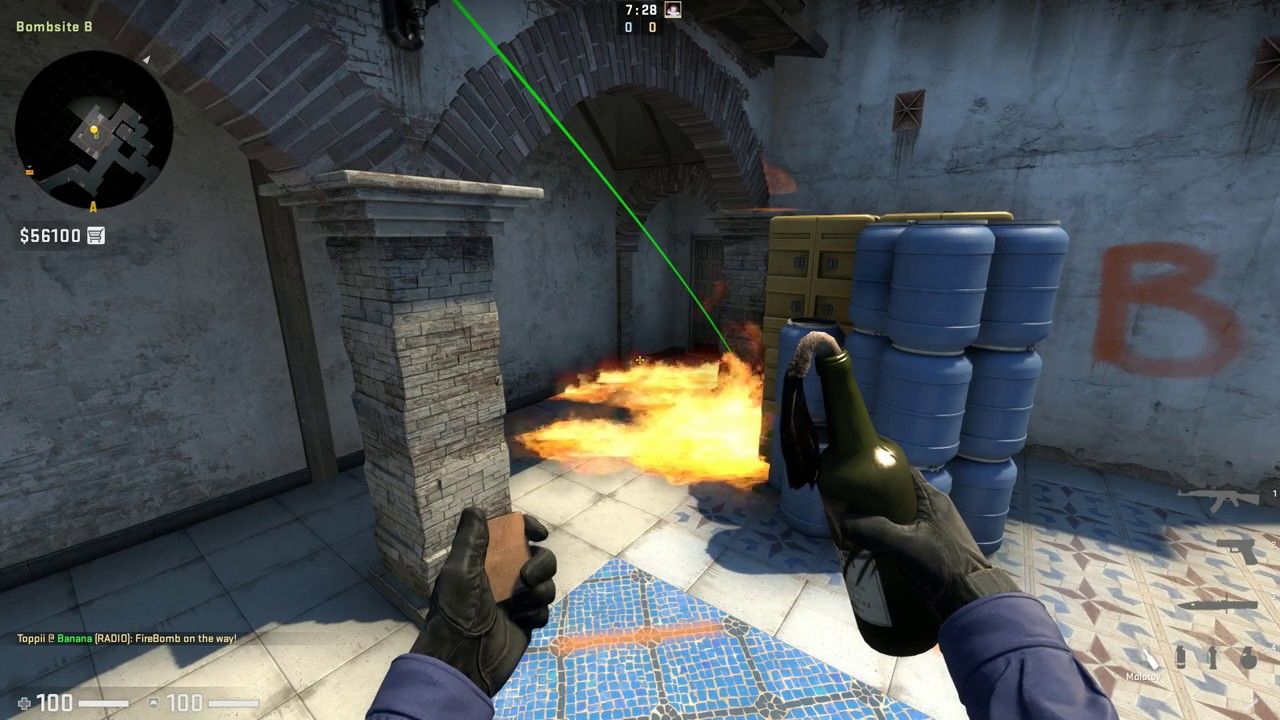
These fundamental principles establish consistency foundations while reducing common errors. Internalize these guidelines and maintain constant awareness during gameplay.
How to understand your strengths?
Individual players exhibit distinct preferences and capabilities. Some gravitate toward calculated, methodical approaches while others prefer explosive, high-tempo aggression. Determining your optimal style requires systematic assessment.
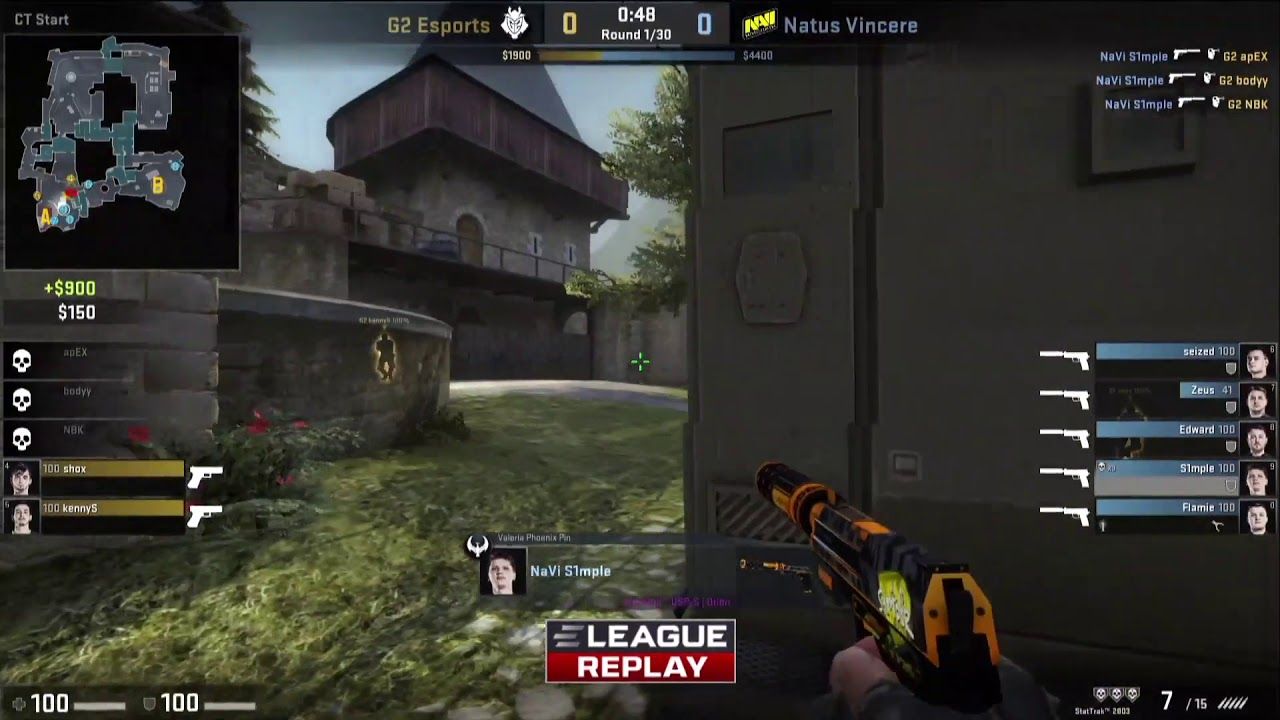
Identification methodology proves straightforward. Engage extensively in PUG environments (Faceit, matchmaking, ESEA, Fastcup or other 5v5 platforms) while experimenting with diverse tactical approaches. This process helps identify comfortable execution methods and optimal impact timing. Ultimately, you’ll develop personalized movement sets and distinctive playing styles.
Common assessment errors include overestimating mechanical capabilities while underestimating strategic comprehension. Track your performance metrics across different playstyles to identify natural strengths.
When is it okay to play aggressively?
Certain teams and individuals maintain aggressive approaches across most engagements. Organized team veterans understand the challenges of countering sustained opponent pressure. However, excessive aggression often incurs penalties and contributes to match losses. Alternating between aggressive and conservative setups creates opponent uncertainty about your tactical intentions.
Strategic aggression becomes necessary during numerical disadvantage scenarios. For example, CT-side 3v5 situations necessitate proactive kill attempts, otherwise opponent consolidation makes rounds nearly unwinnable (though possibilities always exist). Alternative approaches include gambling specific sites (stacking), creating surprise opportunities or enabling weapon preservation if opponents attack alternative locations.
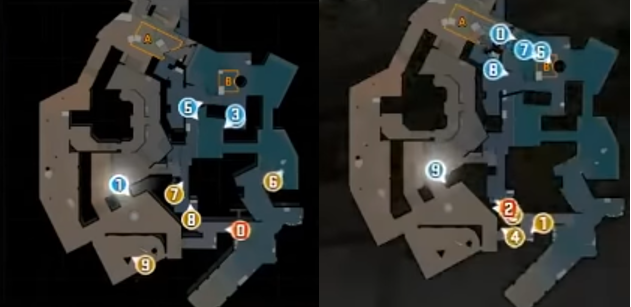
Aggressive methodologies also prove effective against inferior teams. Professional organizations frequently employ this approach against amateur opponents during open qualifiers – weaker teams typically struggle countering aggressive styles, losing confidence and momentum.
Examples of macro strategies
Exploring macro strategies reveals their necessity for competent gameplay. Using Mirage as our primary example due to its popularity.
Strategic scenario: T-side play without opponent style intelligence. Naturally, default approaches during initial rounds provide opponent playstyle understanding.
Default represents round types where initial phases secure map dominance while denying CT aggression. Additionally, CT utility expenditure creates secondary advantages – execution phases encounter reduced defensive resources. Mirage’s classic default employs 1-3-1 positioning (1 A, 3 middle, 1 B). This default’s objective involves mid-control contestation. Successful execution enables diverse tactical options – A/B splits or straightforward site executions. Competent opponents rarely surrender control uncontested – preparation remains essential. Even without mid challenges, A/B lurkers face elimination risks, necessitating cautious engagement to preserve map control.
Lurker describes players activating at optimal timings to secure space or eliminate rotations. Typically occurring post-trades, for example during 1-3-1 play with connector eliminations, A lurkers can activate to kill opposing A anchors.
Lurkers frequently determine round outcomes – imagine 35-second remaining scenarios with planned A executions while maintaining B apps lurkers. Post-execution nade deployment, lurkers can secure critical timings to eliminate solitary B defenders, enabling full B control. With 25-28 seconds post-elimination, B-site rotations secure rounds.
Additional strategic concepts offer tactical variety. Consider: multiple rounds executing mid-control defaults. Subsequent rounds can deploy identical utility while sending single players creating mid noise, suggesting continued mid takes. Meanwhile, remaining four players execute B rushes post-spotting. Simple yet effective strategies typically encounter single B defenders in most situations.
How to create strategies in CS?
Primary player question involves game comprehension for optimal decision-making. The solution involves extensive PUG or team match experience accumulation. After encountering hundreds of scenarios, comprehension develops naturally through pattern recognition – familiar situations trigger prepared responses rather than panic.
Critical development phases:
- Overcome aggressive movement apprehension. Permitting excessive opponent control necessitates substantial utility and time investments checking potential aggression angles. Develop default approaches securing necessary control within round initial minutes.
- Recognize map control loss situations requiring immediate recovery. Regrouping and retaking controlled areas becomes essential – faster execution increases round victory probabilities!
- Master economic management. Understanding economy calculation and purchasing for comprehensive utility availability significantly enhances team and individual capabilities. Each grenade provides additional options and safer map control tools. Reference our Weapons Unlock guide for detailed financial management strategies.
- When selecting positions, analyze spots from opponent perspectives attempting your elimination. The most challenging elimination positions become your optimal choices!
Remember: mechanical shooting skills remain important, but cerebral gameplay separates competent players. Experience accelerates situational comprehension and appropriate response execution. Analyze professional demos and educational content to surpass mechanically superior opponents. For comprehensive tactical development, explore our Complete Guide covering advanced strategic concepts.
Strategic development accelerates through systematic demo analysis. Review your matches to identify decision-making patterns and tactical weaknesses. Professional players from organizations like Class Guide demonstrate how class specialization influences strategic execution.
Action Checklist
- Play 20+ PUG matches experimenting with different playstyles to identify natural strengths
- Master 3 essential grenade lineups for your primary positions
- Analyze 5 professional demos focusing on default executions and map control
- Practice position consistency across 10 consecutive matches
- Develop economic management skills through 15 rounds of focused purchasing practice
No reproduction without permission:Tsp Game Club » All About Macro Strategies in CS:GO | Guide by SCOPE.GG Master Counter-Strike macro gameplay with strategic decision-making, positioning tactics, and team coordination essentials