
TL;DR
- Precise callouts reduce reaction time by 2-3 seconds compared to vague directions
- Learning 15-20 key positions per map dramatically improves team coordination and round success rates
- English callouts are essential for international matchmaking and solo queue scenarios
- Mirage’s control points focus on mid dominance and site-specific positioning
- Consistent practice using visual aids and repetition builds permanent callout knowledge
Every CS2 player has experienced this frustrating scenario: you’re in a ranked match when a teammate shouts “He’s behind the box!” or “On your left!” The ambiguity creates confusion – which box? Whose left? This vague communication often leads to missed kills and lost rounds that proper callouts would have secured.
Mastering map positions delivers the same competitive advantage as sharpening your aim mechanics. While it might seem daunting initially, learning callouts follows the same pattern as memorizing educational material, except you’re studying environments you play daily, making retention significantly easier.
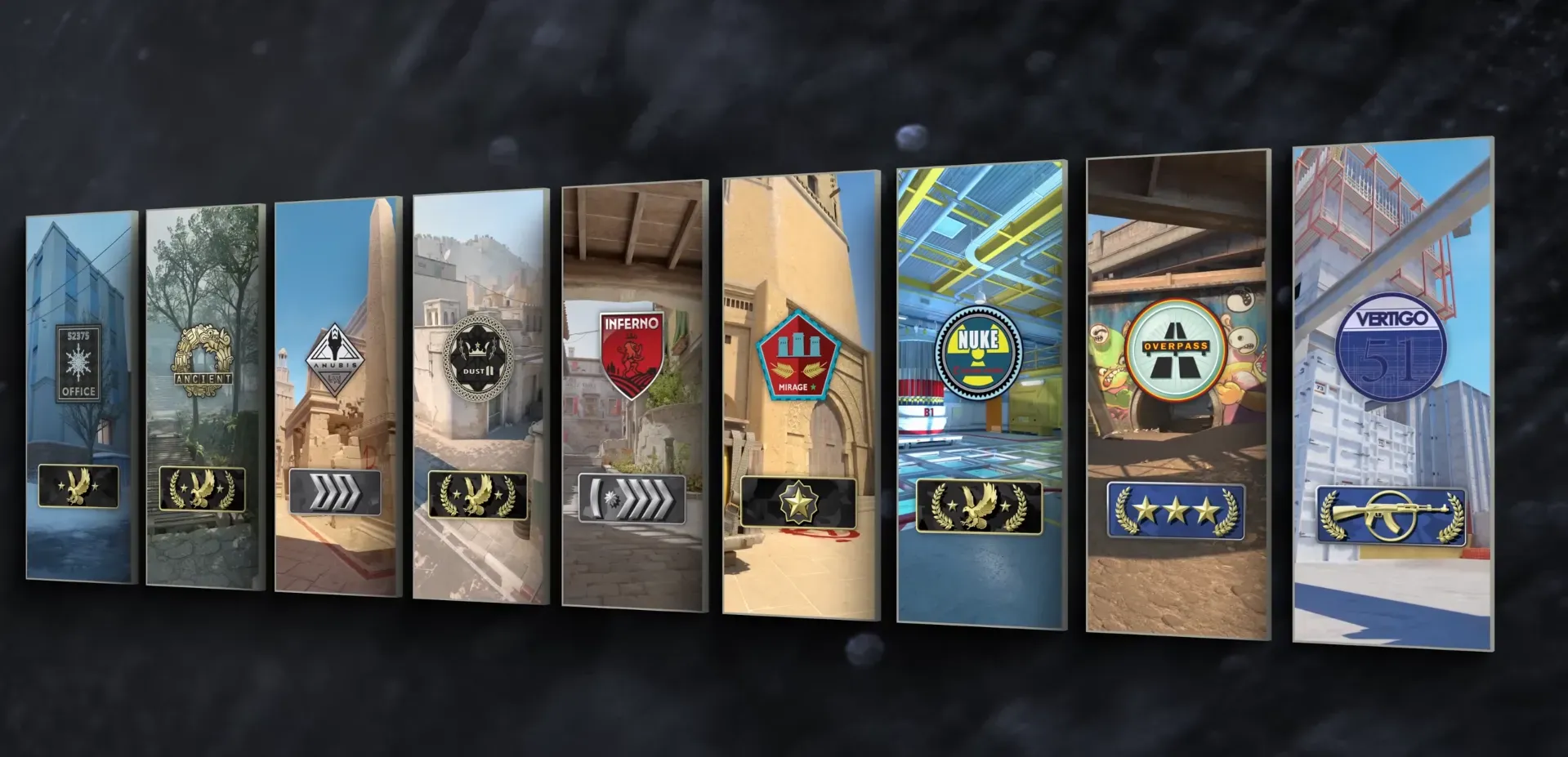
Effective callouts enable instant teammate reactions for trade kills or strategic repositioning. The tradition dates back to Counter-Strike’s origins as a Half-Life modification, where players in internet cafes established concise names for strategic positions. This legacy explains why common terms like “mid” for central passages persist across maps – why complicate what works?
Novice players typically know only 5-6 basic locations: mid, left, right, A, B. This limited vocabulary becomes problematic when enemies utilize dozens of hiding spots, each with specific names. Generic calls like “He’s on B” force teammates to clear multiple angles instead of executing precise pre-fires, wasting crucial seconds that often determine round outcomes.
This comprehensive guide examines essential positions across all active duty CS2 maps, providing the communication tools needed for competitive success.
Our primary recommendation focuses on learning English callouts regardless of your native language. Eventually you’ll encounter solo queue situations where international teammates won’t understand localized terms. That’s when standardized callout knowledge becomes invaluable for maintaining competitive performance.
Begin with classic maps before progressing to more complex layouts. For optimal learning, combine multiple techniques: use callout maps as visual references during matches, practice naming positions while spectating, and create mental associations between visual landmarks and their names.
Accelerated Learning Strategy: Dedicate your first 5 minutes on any map to reviewing callout positions. Use community resources like prefabricated callout maps and practice identifying locations during warm-up sessions. Many professional players recommend the “three-match rule” – consciously using and learning callouts across three consecutive matches on the same map typically creates permanent retention.
Common Learning Mistakes: Avoid overwhelming yourself by trying to memorize every position simultaneously. Focus on learning callouts for areas relevant to your current role or position. Attackers should prioritize bombsite positions first, while defenders benefit from learning choke points and common attack routes.
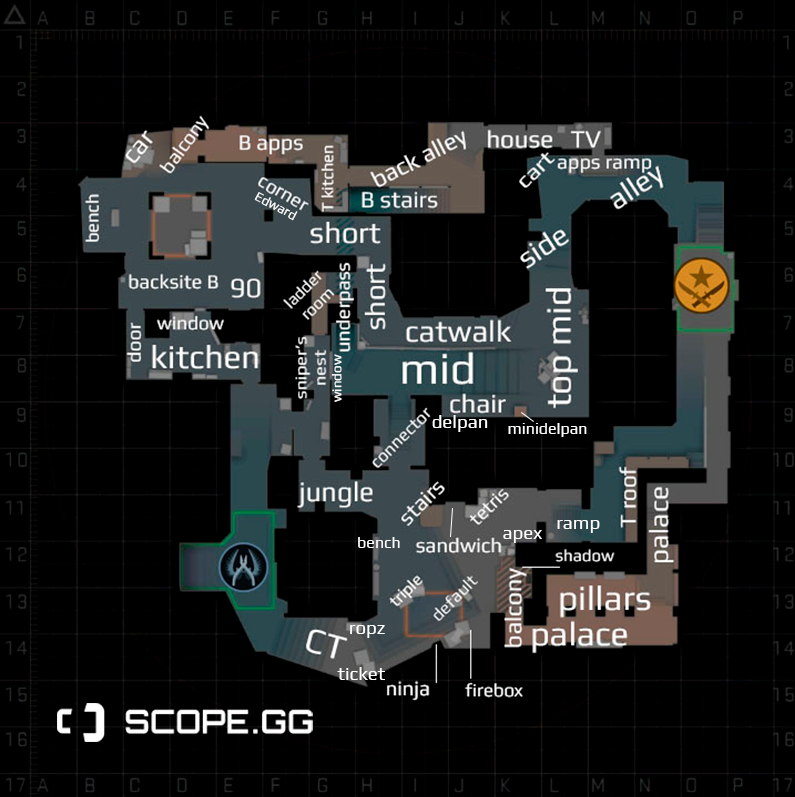
Mirage stands as one of CS2’s most approachable competitive maps. Securing control hinges on dominating middle area and contesting both bomb sites along with catwalk access. This strategic simplicity means you only need to memorize approximately 15 essential positions covering A and B sites, including defensive positions and connecting pathways.
Most Mirage positions feature intuitive naming conventions. “Tetris” describes stacked boxes resembling the classic game, while “Ticket” references the booth-like structure. The community has already done the creative work – your task simplifies to association and repetition.
Advanced Mirage Tactics: Understanding callout relationships enables sophisticated strategies. For example, controlling “Connector” allows rotation between sites while monitoring “Mid.” Learning these positional connections transforms random encounters into coordinated team plays.
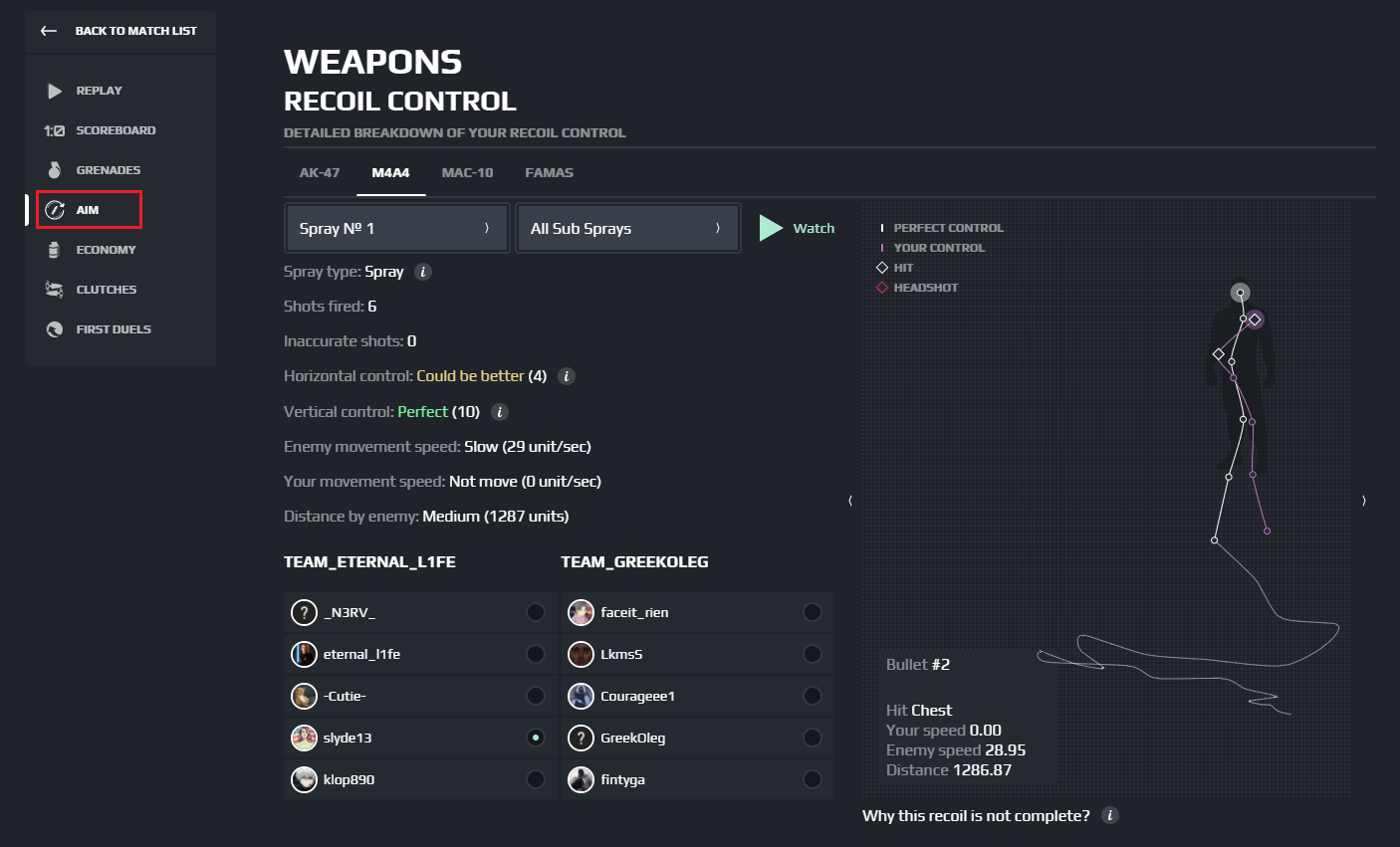
Want continuous awareness of your CS2 performance level? Monitor your in-game progress, identify strategic mistakes and review highlight clips of your best plays using SCOPE.GG’s analytical tools.
Action Checklist
- Study callout maps for your most played competitive maps for 10 minutes daily
- Practice naming positions aloud during deathcam spectating and between rounds
- Focus on learning 5 new callouts per week rather than overwhelming yourself
- Use callouts consistently in matches even when playing with friends who know local terms
- Review and correct misunderstood callouts using community resources and demo reviews
No reproduction without permission:Tsp Game Club » All CS2 Map Callouts – Ancient, Mirage, Anubis, Nuke, Overpass, Vertigo, Inferno & Dust2. Guide by SCOPE.GG Master CS2 map callouts to improve team coordination, win more rounds, and rank up faster