
TL;DR
- Defusal kits provide 5-second advantage that pro teams prioritize over armor
- Saving weapons in 1v3+ situations preserves $3,100+ per player for next round economy
- Fake defuses and tactical saves manipulate enemy psychology and disrupt economic flow
- Advanced audio cue recognition enables split-second decision making in clutch scenarios
- Economic planning requires understanding how each round ending affects subsequent buy cycles
Counter-Terrorist Defusal Tactics
CTs deploy sophisticated tactical frameworks in post-plant scenarios that transform bomb sites into psychological battlegrounds. The moment terrorists secure the plant, defenders must execute coordinated retakes while managing the relentless 40-second countdown. This high-pressure environment separates tactical masters from reactive players.
Professional counter-terrorist units employ these critical defusal components:
- Strategic Utility Deployment: Flashbangs create temporary blindness zones, smoke grenades establish defusal corridors, and molotovs deny critical positioning areas where terrorists typically hold post-plant advantages.
- Defusal Kit Economic Priority: Elite teams consistently allocate $400 for kits during buy rounds, recognizing the five-second advantage often determines round outcomes. Common mistake: prioritizing full utility over defusal capability.
- Psychological Defusal Operations: Brief bomb taps without committing to full defuses bait enemy peeks and reveal defensive setups.
- Coordinated Defense Formations: Implementing dual-operator coverage systems where one player initiates the defusal sequence while their partner maintains overwatch from complementary angles.
Each post-plant second evolves into intense mental combat where counter-terrorists calculate survival probabilities against terrorists weighing aggression versus patience strategies.
Advanced Defusal Strategy Implementation
Securing bomb defusal victories demands comprehensive planning beyond simple enemy elimination. Teams must master communication synchronization and precision timing under extreme pressure conditions.
Critical success principles for professional-level defusal execution:
- Systematic Angle Clearance Protocols: Never charge onto bomb sites without methodical corner clearance—experienced terrorists consistently exploit nearby hiding positions specifically designed to punish rushed defusal attempts.
- Effective Trade Kill Systems: Avoid isolated peeking maneuvers. Coordinate movement in paired formations to guarantee refrag capabilities when engagements occur.
- Comprehensive Clock Awareness: Combat tunnel vision during firefights by maintaining constant time monitoring. Recognizing you possess merely 10 remaining seconds frequently determines match outcomes.
At competitive pinnacles, successful bomb defusals represent meticulously orchestrated team operations rather than individual mechanical actions, creating CS2’s most exhilarating conclusion types.
What Constitutes a Save Round?
When round victory becomes statistically improbable, seasoned CS2 operatives execute calculated preservation maneuvers: they secure their equipment for subsequent engagements.
A “save round” occurs when players deliberately avoid combat and instead utilize concealment or withdrawal tactics, ensuring they transfer weapons, protective gear, and tactical tools to following rounds. This represents sophisticated resource allocation strategy and long-term competitive planning.
Within gaming economies where comprehensive loadouts exceed $5,000, maintaining rifles or sniper systems creates substantial economic advantages for your squad.
Strategic Preservation Decision Matrix
Weapon preservation revolves around calculated risk versus reward evaluations:
- Unfavorable Success Probabilities: Operating in 1v3 or more disadvantaged scenarios makes preservation the intelligent tactical selection.
- High-Value Equipment Considerations: Possessing an AWP with armor and defusal capability? Elimination means sacrificing $6,000+ in combat assets.
- Economic Planning Considerations: Preserving primary weapons enables teams to finance complete purchase rounds rather than resorting to secondary arms or partial acquisitions.
- Time Constraint Limitations: Occasionally you physically lack sufficient temporal resources to access bomb sites or complete defusal sequences.
Competitors who achieve preservation mastery ultimately provide greater long-term value than those sacrificing assets pursuing statistically impossible clutch scenarios.
Economic Preservation Impact Analysis
Economic management represents the foundation of CS2 competitive success. Consider preserving M4 and protective equipment:
- This equates to approximately $3,100 conserved within individual operator inventories.
- Your squad transitions from complete economic disadvantages toward “hero rifle” tactical rounds where you develop strategic frameworks around preserved firearms.
- When multiple team members execute preservation tactics, subsequent rounds transform into potential full-equipment engagements without requiring comprehensive economic resets.
Strategic preservation also compels opposing squads to increase expenditure pursuing concealed operators, risking their primary weapons and utility during hunter protocols.
In-Game Leadership Temporal Control
Within professional and elite competitive CS2 environments, the In-Game Leader functions as the strategic command center. Beyond tactical coordination and defensive configurations, their most crucial responsibility involves comprehensive clock management. Why? Because timing dictates engagement flow, and engagement flow determines competitive success.
Effective strategic leaders utilize temporal resources as tactical instruments rather than adversarial elements—extending rounds into late-phase timings to induce panic, executing early assaults to disrupt anticipations, or utilizing mid-round tactical pauses to deplete enemy utility reserves. Elite temporal control methodologies include:
- Delayed Execution Protocols: Permitting the clock to decrease to 30 seconds or less before initiating bombsite assaults to capture counter-terrorists unprepared.
- Early Territorial Dominance: Securing central control or establishing early dominance over critical map areas like apartments or banana routes.
- Mid-Phase Strategic Adjustments: Modifying tactical approaches according to enemy rotation patterns, elimination exchanges, or auditory detection cues, typically around the 1:00–0:45 temporal markers.
- Late-Stage Preservation Calls: Terminating unsuccessful assaults approximately 20 seconds remaining to guarantee weapon conservation rather than asset depletion.
Temporal awareness represents the fundamental rhythm of each engagement, and proficient strategic leaders function as engagement monitors. They continuously track remaining temporal resources, utilized assets, and required actions to secure victory. This expertise demands thousands of operational hours to perfect but distinguishes average squads from championship contenders.
Team Communication and Temporal Coordination
Even without strategic leadership responsibilities, understanding and communicating temporal status proves essential. You cannot afford your team realizing with mere 10 seconds remaining that the explosive device remains in deployment zones or you lack temporal capacity for rotational movements. These critical errors—entirely rooted in temporal mismanagement—can instantly cost engagement victories.
Elite competitive units manage temporal resources through these methodologies:
- Continuous Status Updates: “45 seconds remaining, we must initiate movement.” “We possess sufficient temporal resources to simulate B-site then rotate A-site.”
- Defined Operational Roles: Individual members concentrate on utility management, explosive verification, and timing coordination.
- Utility Resource Consciousness: Recognizing that individual counter-terrorist molotov deployments can delay assault initiatives by 7 critical seconds enables pre-engagement planning around these temporal constraints.
When all operators maintain temporal awareness and coordinate synchronized operations, it becomes exceptionally challenging to counter their offensive—or defensive—operations. Within CS2 competitive environments, temporal management truly represents the sixth operational member of your tactical unit.
Counter-Strike 2 transcends basic shooter mechanics to become a cerebral battlefield where round endings determine match outcomes. Every engagement carries strategic weight beyond mere eliminations, with victory hinging on understanding how each conclusion impacts your team’s economy, morale, and tactical positioning.
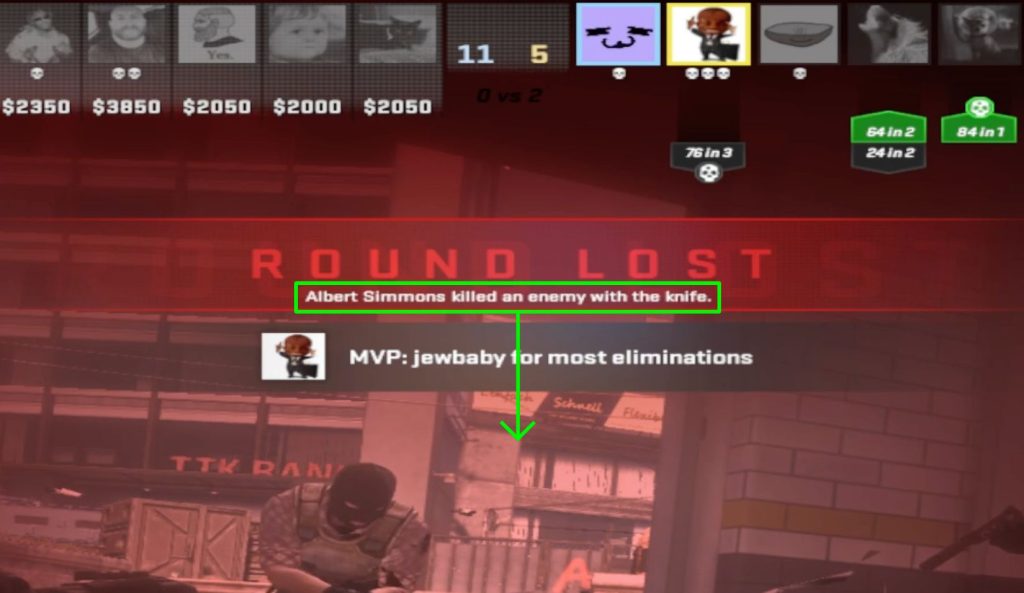
Many players mistakenly believe superior aim guarantees victory, yet seasoned competitors understand strategic round management consistently outperforms raw mechanical skill. The distinction between amateur and professional gameplay emerges from how teams navigate the final moments of each engagement.
An effective IGL (in-game leader) manipulates round conclusions to their advantage through precise timing and resource allocation.
What Is a Timeout in CS2?
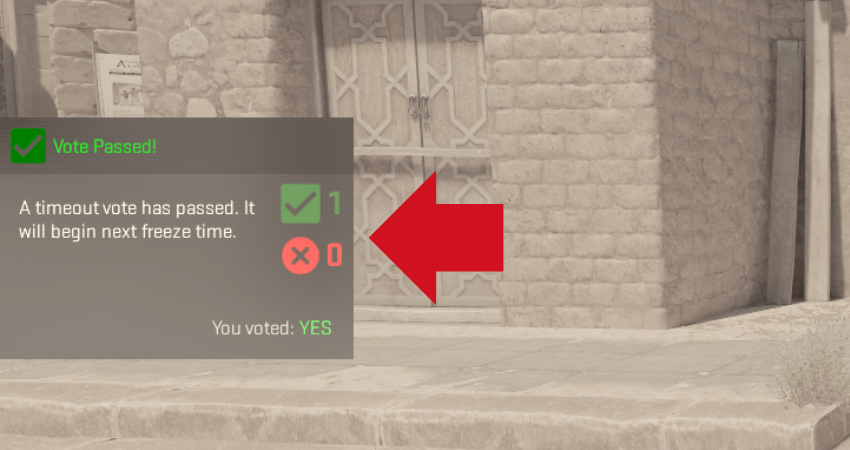
Timeout conclusions represent strategic victories where the attacking faction exhausts their 1:55 allocation without achieving bomb deployment. This automatic Counter-Terrorist victory mechanism forces Terrorists to execute decisive site takes rather than employing passive lurking strategies.
Time Limits for Each Side
Critical timing knowledge separates tactical masters from reactive players:
- Round Start Timer: 1:55
- Bomb Plant Timer: 40 seconds post-planting
- Defuse Time (with kit): 5 seconds
- Defuse Time (no kit): 10 seconds
Pro Tip: Timeout possibilities vanish once the bomb reaches a site. Teams should practice specific timeout scenarios during practice sessions to master these strategic conclusions.
Planting the Bomb – The Turning Point
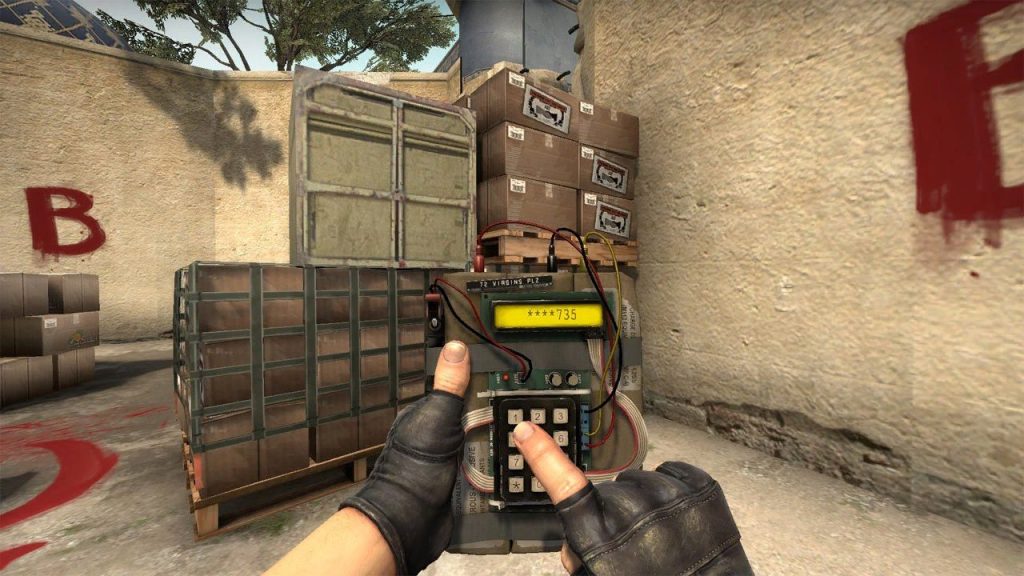
Successful bomb deployment fundamentally transforms round dynamics, shifting the 1:55 countdown to a decisive 40-second detonation window.
This pivotal moment accomplishes two critical strategic shifts:
- Alters victory conditions: Counter-Terrorists must now complete defusal procedures rather than simply eliminating opposition forces.
Common Beginner Mistake: Many novice players continue hunting enemy combatants after successful planting, failing to recognize the defensive posture transition requirement.
Timer Mechanics After Bomb Plant
Post-plant timing requires precise calculation and coordination:
- 40 seconds until catastrophic explosion
- Standard defusal duration: 10 seconds
- Defuse kit acceleration: 5 seconds
Advanced teams leverage post-plant timing through calculated delaying tactics and strategic positioning.
What Is a Save Round?
When round victory becomes statistically improbable, disciplined competitors execute preservation protocols rather than pursuing hopeless engagements. This tactical withdrawal ensures valuable equipment transfers to subsequent rounds, providing significant economic advantages.
Preservation scenarios typically emerge during:
- Unfavorable numerical disadvantage (1v3+ situations)
- Critical weapon inventory preservation (AWP, rifles with full utility)
- Insufficient temporal allocation for site access or defusal completion
- Enables transition from full economic reset to strategic “hero rifle” deployment.
Multiple player preservation transforms subsequent rounds from economic disadvantage to potential full-buy engagements.
Tactical Saving: Holding Angles and Escaping
Professional preservation techniques involve calculated positioning and disciplined engagement avoidance:
- Early rotational withdrawal: Initiate preservation protocols before temporal constraints eliminate escape possibilities.
Optimal Preservation Positions:
- Inferno pit positioning
- Mirage jungle concealment
- Overpass bathroom sanctuary
Mastering preservation timing and positioning separates economically disciplined teams from financially reckless opponents.
Role of the IGL (In-Game Leader) in Time Management
In high-level CS2 competition, the IGL functions as the strategic chronometer, constantly monitoring temporal resources and adjusting team tactics accordingly.
Effective temporal commanders utilize the clock as tactical instrumentation rather than adversarial constraint.
Professional IGL temporal strategies include:
- Delayed Executions: Allowing the timer to decrease to approximately 30 seconds before initiating decisive site assaults.
- Early Map Control: Securing critical map territories during initial engagement phases to establish positional dominance.
- Mid-Round Strategic Adjustment: Modifying tactical approaches based on opposition rotational patterns, elimination exchanges, or auditory indicators.
- Late Preservation Protocols: Terminating unsuccessful assaults around the 0:20 mark to ensure equipment conservation.
Temporal consciousness represents the fundamental rhythm of competitive engagements, with skilled IGLs performing continuous monitoring functions.
Time Awareness and Team Communication
Even non-leadership players must maintain constant temporal awareness and communication protocols.
Elite team temporal management demonstrates these characteristics:
- Continuous Temporal Updates: “45 seconds remaining, initiate rotational movement.” “Sufficient temporal allocation exists for B-site deception followed by A-site transition.
- Defined Role Specialization: Specific players concentrate on utility management, explosive device verification, and timing coordination.
- Utility Temporal Consciousness: Recognizing that individual Counter-Terrorist incendiary devices can delay offensive pushes by approximately 7 seconds, enabling preemptive tactical planning.
When all team members maintain synchronized temporal awareness and coordinated execution, their offensive and defensive capabilities become exceptionally difficult to counter.
How Each Outcome Affects the Team’s Economy
Comprehending how each round conclusion influences team financial resources proves essential for CS2 competitive success.
Critical financial impact analysis:
- Timeout Conclusion (Counter-Terrorist Victory): Terrorist faction receives zero explosive device deployment compensation—resulting in minimal monetary returns.
- Explosive Device Planted but Round Lost: Terrorists still obtain explosive device deployment remuneration, providing financial assistance despite tactical defeat.
- Bomb Detonation Victory (Terrorist Win): Terrorist combatants receive complete round victory bonuses, with surviving team members retaining their equipment inventory.
- Defusal Triumph (Counter-Terrorist Win): CT forces secure round compensation bonuses.
- Preservation Engagement: Players maintaining equipment preservation offset subsequent round financial limitations.
Common Economic Mismanagement: Teams frequently force purchase engagements when financial resources insufficient for complete equipment acquisition.
- Early rotational withdrawal: Initiate preservation protocols before temporal constraints eliminate escape possibilities.
- Complete Equipment Acquisition Round: Maximum tactical investment—assault rifles, protective armor, utility items, defusal equipment.
- Economic Reset Round: Minimal financial commitment engagements typically designed to accumulate consecutive defeat compensation modifiers.
The specific nature of round conclusions directly influences subsequent 3-4 round tactical planning and financial resource allocation.
When to Push and When to Pull Back
Novice competitors must develop critical judgment regarding engagement commitment versus strategic withdrawal.
Strategic decision-making framework:
- Health and Numerical Disadvantage Assessment: Preservation protocols become optimal when facing unfavorable combat scenarios, particularly without sufficient utility resources.
Critical Analysis Points:
- Significant health depletion combined with numerical inferiority
- Insufficient Temporal Allocation: Avoid rushing toward impossible scenarios that merely donate equipment to opposition forces.
- Favorable Clutch Scenarios: Consider decisive engagement when positioned near explosive device locations with utility resources available.
Communication and Role Specialization in Critical Moments
Elite CS2 competitors demonstrate precise communication protocols rather than individualistic gameplay approaches.
Optimal critical moment communication includes:
- “Explosive device deployed at short positioning.”
- “Defusal equipment unavailable.”
- “Executing preservation protocols—avoid unnecessary engagements.”
Spectating professional tournament broadcasts provides invaluable strategic education regarding temporal management and economic decision-making.
Observe how elite organizations:
- Commit to site assaults with 25-35 seconds remaining.
Professional streaming content creators frequently provide real-time strategic breakdowns of their decision-making processes during high-pressure scenarios.
Round management proficiency extends beyond mechanical skill to encompass strategic awareness, tactical discipline, and coordinated communication.
Developing sharp decision-making skills separates average CS2 players from strategic masters. The most critical skill isn’t mechanical aim but rather situational awareness and calculated risk assessment. Understanding when to commit versus when to preserve resources requires analyzing multiple variables simultaneously.
Risk Assessment Factors
Every clutch situation demands immediate evaluation of these key elements:
- Health and resource evaluation: When critically injured and facing multiple opponents (particularly without tactical equipment), tactical withdrawal becomes the intelligent choice. Preserving your loadout maintains economic stability for subsequent rounds.
- Time management analysis: If the explosive device is active with insufficient time remaining, avoid desperate charges that only donate equipment to the opposition.
- Positional advantage consideration: When positioned near the objective in a 1v1 scenario, consider engaging—especially with utility advantages or specialized equipment.
- Economic state assessment: Continuously monitor your team’s financial situation. As the final survivor with limited team funds, your continued existence often outweighs low-probability multi-kill attempts.
Advanced players develop multi-factor decision matrices that weigh health percentage, enemy positions, utility availability, and remaining time to make optimal choices.
Economic Impact Analysis
Every equipment preservation decision creates ripple effects across multiple rounds. A saved AWP worth $4,750 can transform your team’s next-round capabilities from eco to full-buy potential.
Role-Based Responsibilities
Specialized positions carry distinct responsibilities during round conclusions:
- Entry fraggers should assess whether their aggressive positioning still provides value or requires adjustment.
Elite CS2 competitors never operate in isolation—they execute coordinated information exchange with surgical precision. During critical end-game scenarios, vocal coordination transforms from helpful to essential for success.
Information Relay Systems
Effective communication during pressure situations requires structured protocols:
- “Explosive device activated at abbreviated position.”
- “Defusal equipment unavailable.”
- “Executing preservation protocol—avoid engagement.”
When you become the final combatant, immediately request observational support from eliminated teammates. Spectating players maintain comprehensive overhead perspectives and can relay positional data, temporal updates, and tactical recommendations. Critical end-game scenarios represent collective team endeavors, even during individual weapon deployment situations.
Dead Teammate Assistance
Spectator assistance protocols should include:
- Minimap surveillance: Track enemy movements through overhead displays.
- Temporal awareness monitoring: Track clock progression and communicate critical time thresholds.
Clutch Communication Etiquette
Additionally, comprehend your designated function. Support specialists shouldn’t appropriate sniper rifles for improbable multi-kill attempts unless absolutely necessary. Positional specialization helps determine appropriate risk-taking versus strategic preservation.
Fundamental conclusion? Round administration extends beyond technical proficiency—it encompasses environmental consciousness, self-control, and information exchange.
Interested in understanding how premier competitors manage round conclusions? Observe professional tournaments. Organizations like ESL, BLAST, and Major championships deliver premier competitive performances, with each engagement providing instruction in temporal control, financial consciousness, and pressure situation timing.
Tournament Analysis Methods
Professional teams demonstrate consistent patterns worth emulating:
- Initiate coordinated assaults with 25-35 seconds remaining.
- Consistently ensure equipment preservation during unfavorable engagements.
- Employ simulated defusal actions and obscurement tactics during post-plant situations.
Observe organizations like FaZe Clan, Natus Vincere, G2 Esports, and Team Vitality and study their utility deployment, strategic pauses, and preservation tactics during decisive moments. You’ll gradually internalize behavioral templates and integrate them into personal gameplay methodologies.
Streamer Decision Breakdowns
Occasionally, championship matches proceed too rapidly to capture every nuance. This is where professional streamcasters and analytical experts provide value. Content creators like s1mple, dev1ce, ropz, or cadiaN frequently deconstruct their strategic reasoning during live broadcasts. Study their decision processes regarding engagement versus disengagement.
Meanwhile, analytical specialists and content producers offer:
- Post-competition analytical reviews.
- Strategic cartographic evaluations.
- Economically-focused engagement analysis.
This approach resembles observing chess grandmasters explaining each strategic movement. You’ll depart comprehending the underlying rationale behind specific round conclusions—not merely the superficial outcomes.
Psychological Warfare Elements
The mental dimension of CS2 round management involves sophisticated psychological manipulation:
- Emotional resilience development: Maintain composure during unfavorable developments.
Momentum Management
Competitive sequences demonstrate momentum-based characteristics. Securing three consecutive victories generates financial resources and confidence. Losing three consecutive engagements damages morale and necessitates economic recovery periods.
Adaptation Strategies
Experienced competitors implement these adjustment protocols:
- Strategic pause implementation: Request temporary cessation to disrupt adversarial momentum and discuss tactical modifications.
- Tempo variation: Accelerate pace following slow approaches, or conversely.
- Selective engagement prioritization: Focus on individual eliminations rather than comprehensive assaults to reestablish control.
Mastering CS2 extends beyond technical capability—it requires mental fortitude and strategic flexibility. Elite teams experience unfavorable round outcomes and still recover to secure match victories.
Counter-Strike 2 transforms every match into a high-stakes tactical chess game where round conclusions determine victory. Whether you’re attacking as Terrorists or defending as Counter-Terrorists, your objective extends beyond eliminations to mastering the strategic implications of each ending type.
What makes CS2 profoundly engaging isn’t just the combat—it’s the psychological warfare embedded in how rounds conclude. Some end in explosive firefights, others in silent timeouts, and some through calculated equipment preservation. Each outcome carries distinct economic consequences and momentum shifts that can define entire matches.
Seasoned competitors understand that mechanical skill alone cannot secure consistent victories. The true differentiator lies in understanding how to manipulate round conclusions to your advantage through precise timing, economic foresight, and psychological pressure application.
What Is a Timeout in CS2?
Timeouts represent strategic victories where rounds conclude due to Terrorist-side time expiration rather than combat resolution. Each standard CS2 round operates on a 1 minute and 55 second timer commencing immediately at round start. When zero is reached without bomb deployment and players remain active, Counter-Terrorists automatically secure the win.
This fundamental rule creates essential game balance by preventing indefinite stalling tactics. It compels T-side teams to demonstrate initiative and commit to site executions within constrained timeframes.
Time Limits for Each Side
Understanding CS2’s temporal architecture is critical for timeout mastery:
- Round Start Timer: 1:55
- Bomb Plant Timer: 40 seconds after bomb deployment
- Defuse Time (with kit): 5 seconds
- Defuse Time (no kit): 10 seconds
Critical Insight: Timeout conclusions exclusively occur before bomb planting. Once C4 is active, rounds cannot timeout—concluding through detonation, defusal, or elimination.
Common Scenarios Leading to Timeouts
- Excessive Probing: Terrorists waste precious seconds gathering intelligence rather than executing.
- Indecisive Entry Execution: Teams form attack formations but hesitate during critical push moments.
- Defensive Utility Dominance: CTs deploy smokes, incendaries, and flashbangs to systematically delay site access.
- Failed Deception Plays: T-side attempts fakes but lacks sufficient time for successful rotation completion.
Professional teams frequently intentionally engineer timeout scenarios as core strategic components. This typically involves anchoring bombsite positions with optimized utility deployments and minimal positional exposure.
Planting the Bomb – The Turning Point
Successful Terrorist bomb deployment fundamentally transforms round dynamics. The standard 1:55 countdown is replaced by a 40-second detonation timer, creating the definitive pivot point that separates early-round positioning from late-round retake scenarios.
Bomb activation accomplishes two critical strategic shifts:
- Alters Victory Conditions: Counter-terrorists must now successfully defuse to win—eliminating all opposition no longer suffices unless accomplished post-defusal initiation.
- Inverts Map Control Dynamics: Terrorists transition to defensive post-plant formations while CTs adopt offensive retake postures.
This role reversal creates CS2’s most intense high-pressure moments where strategic depth becomes paramount.
Timer Mechanics After Bomb Plant
Post-plant scenarios operate under precise temporal constraints:
- 40 seconds until catastrophic detonation occurs.
- Standard defusal operations require 10 uninterrupted seconds.
- Defusal kit possession reduces required time to 5 seconds.
Professional Defusal Strategy: Always prioritize defusal kit acquisition during buy rounds—the five-second differential frequently determines round outcomes.
Counter-Terrorist Defusal Tactics
CT retake teams employ multiple tactical tools during defusal attempts:
- Tactical Utility Deployment: Flashbangs for visual denial, smokes for bomb concealment, and molotovs for area denial against hiding terrorists.
- Defusal Kit Priority: Professional squads consistently prioritize kit purchases—sometimes over armor upgrades—due to the critical time preservation advantage.
- Deceptive Defusal Initiations: Brief bomb interactions without full commitment to provoke enemy positional exposure.
- Coordinated Defusal Protection: One operative performs defusal while teammates provide overlapping covering fire from multiple angles.
Every post-plant second represents psychological combat where CTs gamble on survival duration while Ts calculate engagement timing.
- Strategic pause implementation: Request temporary cessation to disrupt adversarial momentum and discuss tactical modifications.
- Minimal Victory Probability: 1v3+ situations present statistically negligible clutch success rates—making saving the analytically superior choice.
- High-Value Equipment Preservation: Possessing an AWP with full armor and defusal capability? Elimination means forfeiting $6,000+ equipment value.
- Strategic Economic Planning: Weapon preservation enables full-buy rounds instead of forced pistol or partial-buy scenarios.
- Absolute Temporal Limitations: Physical impossibility of reaching bombsite or initiating defusal within remaining time constraints.
Key Strategies for Successful Defusals
Securing defusal victories transcends mere elimination proficiency. It demands meticulous planning, seamless communication, and flawless temporal execution.
What Is a Save Round?
When round victory becomes statistically improbable—whether due to numerical disadvantage, temporal constraints, or positional isolation—intelligent CS2 competitors execute preservation decisions: they strategically withdraw to safeguard equipment for subsequent rounds.
A “save round” constitutes deliberate combat avoidance to ensure weapon, armor, and utility retention. This represents strategic resource conservation rather than tactical cowardice.
Considering that comprehensive loadout acquisitions can exceed $5,000 expenditure, preserving premium rifles or sniper systems creates substantial economic advantages across multiple rounds.
Why Players Choose to Save Instead of Fight
Preservation decisions fundamentally revolve around risk-versus-reward calculations:
Competitors who master preservation artistry ultimately provide greater long-term team value than those sacrificing equipment pursuing statistically improbable victories.
- Represents ~$3,100 conservation within individual inventory.
- Enables transition from complete economic reset to “hero rifle” tactical rounds where strategies revolve around preserved firearm advantages.
- Multiple player preservation transforms subsequent rounds into potential full-buy opportunities without requiring comprehensive economic rehabilitation.
Economic Impact of Saving
Economic management constitutes CS2’s foundational strategic layer. Preserving an M4 with armor:
Advanced Preservation Insight: Saving can compel opposing teams to expend additional resources during hunting operations, risking their own equipment in pursuit processes.
- Proactive Rotation Initiation: If bomb deployment occurs at B while positioned at A, commence preservation protocols early rather than executing suicidal engagement attempts.
- Strategic Position Selection: Concealed locations like Inferno’s pit or Mirage’s jungle provide adequate reaction time against hunting operatives.
- Disciplined Engagement Restraint: Preservation objectives prioritize survival over elimination metrics. Engage only when absolutely necessary.
- Continuous Situation Updates: “45 seconds remaining, initiate movement protocols.” “Adequate time exists for B-site deception followed by A-site rotation.”
- Defined Role Specialization: Designated personnel focus on utility management, others monitor bomb status, additional members coordinate timing executions.
- Utility Expenditure Consciousness: Recognizing that individual CT molotov deployments can delay push initiatives by 7 seconds enables proactive counter-strategy development.
- Tactical Timeout Activation: Strategic pauses to disrupt momentum and facilitate adjustment discussions.
- Strategic Tempo Alteration—accelerate if previously deliberate, or vice versa.
- Execute Selective Engagement rather than comprehensive execute deployments to reestablish control.
- Always purchase defusal kits during full buy rounds – the 5-second advantage consistently determines round outcomes
- Implement systematic angle clearance before initiating any defusal sequence
- Practice fake defuse techniques to bait enemy peeks in post-plant scenarios
- Master audio cue recognition for bomb beeps and defusal sounds
- Practice clock checking every 15-20 seconds during rounds to build temporal awareness
- Memorize critical timers: 1:55 round, 40s bomb, 5s/10s defusal
- Develop economic calculation skills for force buy decisions
- Create team communication protocols for temporal updates
- Analyze professional match recordings to identify round ending patterns
- Implement strategic preservation in 1v3+ scenarios
- Evaluate health percentage, enemy numbers, utility availability, and remaining time before committing to engagements
- Implement structured communication protocols during pressure situations
- Analyze professional tournament VODs to identify round ending patterns
- Practice equipment preservation decisions in retake scenarios
- Monitor round timer consistently—note when it drops below 45 seconds for T-side execution initiation
- Prioritize defusal kit purchases during full-buy rounds
- Practice preservation protocols in 1v3+ scenarios
- Master audio cue recognition—bomb beeps, defusal sounds, timeout chimes
Tactical Saving: Holding Angles and Escaping
Elite performers don’t merely conceal themselves hoping for favorable outcomes. They identify secure, predictable firing positions, or escape routes with adequate concealment and evacuation potential. Optimal preservation methodologies include:
While preservation lacks the visual spectacle of spectacular sniper eliminations, it represents one of the most intelligent decisions disciplined CS2 competitors can execute.
Role of the IGL (In-Game Leader) in Time Management
Within professional and high-tier competitive environments, the In-Game Leader functions as the strategic command center. Beyond tactical coordination and defensive configuration management, their most critical responsibility involves comprehensive clock management. Why? Because temporal control dictates engagement flow, and flow determines operational success.
Effective IGLs utilize temporal constraints as strategic instruments rather than limitations—extending rounds into late phases to induce panic, executing early aggression to disrupt expectations, or leveraging mid-round pauses to deplete enemy utility reserves.
Time Awareness and Team Communication
Even without IGL designation, comprehending and communicating temporal status proves vital. Teams cannot afford realization with 10 seconds remaining that the C4 remains at spawn or rotation becomes temporally impossible.
Elite squads demonstrate exemplary temporal handling through:
When all team members maintain temporal awareness and operate synchronously, their offensive and defensive capabilities become exceptionally difficult to counter.
When facing round defeat through bomb defusal? Maintain composure. Reorganize. Analyze economic status, reset psychological state, and prepare subsequent tactical approaches. Professional competitors implement these protocols:
Securing CS2 victories extends beyond mechanical proficiency—it demands resilient adaptation capabilities. Championship-caliber teams endure disastrous rounds while recovering to secure map victories.
Counter-Strike 2 transcends mere precision shooting and spectacular plays—it’s about how you conclusively terminate rounds. Comprehending how rounds conclude—whether through temporal expirations, explosive neutralizations, or strategic equipment preservation—separates recreational participants from game masters.
Each engagement represents miniature warfare saturated with timing complexities, risk assessment requirements, and psychological combat elements. Mastering temporal interpretation, economic administration, and pressure decision-making will dramatically enhance your competitive performance.
During your next critical round scenario, interrogate yourself: Do we engage? Do we preserve? Or do we temporally outlast opponents? Your determination might decide match outcomes.
Action Checklist
- Health and Numerical Disadvantage Assessment: Preservation protocols become optimal when facing unfavorable combat scenarios, particularly without sufficient utility resources.
Advanced Economic Calculation: Preserving an M4 with armor represents approximately $3,100 economic preservation.
Why Players Choose to Save Instead of Fight
Weapon preservation decisions balance immediate tactical sacrifice against long-term strategic advantage.
Common Saving Error: Overly aggressive players frequently sacrifice valuable equipment pursuing low-probability clutch scenarios.
Economic Impact of Saving
Strategic preservation creates multiple economic benefits:
CS2’s financial system imposes severe penalties for poor resource allocation decisions.
Buy Rounds, Economic Resets, and Forced Purchases
Strategic round classification based on financial status:
No reproduction without permission:Tsp Game Club » How CS2 Rounds End: Timeouts, Bomb Defusals, and Saves